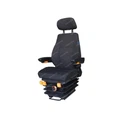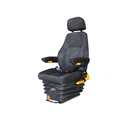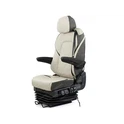


For fleet operators and owner-operators alike, investing in a quality Truck Mechanical Suspension Seat is one of the most impactful decisions you can make for driver comfort, safety, and long-term operational cost. A well-engineered seat does more than cushion the ride - it absorbs vibration, reduces fatigue, and protects drivers from the cumulative effects of whole-body vibration over thousands of hours behind the wheel. The YSR 911-5B from YSR Seating Factory is a prime example of this philosophy in action: a seat built from heavy-duty steel with premium fabric upholstery, engineered for extended service life even in the harshest operating conditions. What sets this category of seat apart is that durability and ease of maintenance are not afterthoughts - they are core design principles baked into every component. Understanding how to properly care for your seat ensures you get the most out of that investment, keeping drivers comfortable and safe for years to come.
What Makes a Mechanical Suspension Seat Durable?
The durability of a mechanical suspension seat comes down to three core principles: structural integrity, material quality, and design simplicity. A heavy-duty steel frame forms the backbone of any long-lasting seat, providing resistance to the repetitive stress loads that are a daily reality in trucking, construction, and agriculture. Premium upholstery materials - whether composite knitted fabric or leather - resist abrasion, tearing, and staining far better than economy alternatives. But perhaps the most underappreciated durability advantage of a mechanical suspension system is its simplicity. Unlike air suspension systems that rely on compressors, air bags, solenoids, and control modules, a mechanical design uses springs and dampers - components with decades of proven reliability. Fewer parts means fewer failure points. This simplicity translates directly into a longer service life: well-maintained mechanical suspension seats routinely last five to ten or more years in demanding environments, outlasting more complex alternatives that are vulnerable to electrical or pneumatic failures. For operators running vehicles in dusty, muddy, or temperature-extreme conditions, a robust mechanical design is not just a convenience - it is a reliability advantage.

The Low-Maintenance Advantage of Mechanical Suspension
One of the most compelling reasons to choose a mechanical suspension truck seat over air or active suspension alternatives is the dramatic reduction in maintenance burden. There are no air lines to check for leaks, no compressors to service, and no electronic sensors or control units to diagnose and replace. The mechanical suspension system is self-contained and energy-independent, relying entirely on the physics of spring and damper mechanics to do its job. In practical terms, this means that routine upkeep is limited to a small number of straightforward tasks. Visually inspect the seat daily for obvious damage. Monthly, clean the upholstery thoroughly and check that all adjustment mechanisms - height, weight, fore/aft, recline - operate smoothly and latch securely. Every quarter, pay specific attention to the springs and rubber components: inspect springs for cracks, deformation, or significant corrosion, and check rubber bushings and isolators for cracking, hardening, or compression set. These rubber elements are critical to vibration isolation and should be replaced promptly when they show signs of deterioration. Annually, perform a comprehensive inspection of the entire seat, including a torque check on all mounting bolts and a close examination of the frame for cracks, particularly at weld points. This disciplined but simple schedule is all that stands between a seat and premature failure.
Cleaning, Component Care, and Recognizing Warning Signs
Proper cleaning is an often-overlooked dimension of mechanical suspension seat maintenance. For composite knitted fabric, vacuum regularly and address spills immediately by blotting - never rubbing - with a mild soap and water solution. Leather surfaces require a damp cloth for regular cleaning and a proper leather conditioner applied periodically to prevent drying and cracking. Plastic components and metal parts should be wiped down with mild detergents; avoid abrasives or strong solvents on any surface. Beyond aesthetics, regular cleaning prevents the accumulation of dirt and grit that acts as an abrasive on upholstery seams and adjustment mechanism tracks over time. Equally important is learning to recognize warning signs that indicate maintenance or repair is needed. A squeaking or creaking noise during movement typically signals dry pivot points needing lubrication, or worn rubber bushings that need replacement. If the suspension bottoms out under load, check both the weight adjustment setting and inspect the spring for fatigue. Excessive bouncing after a bump points to a worn or leaking damper. A seat that will not hold its adjusted position suggests a worn latch mechanism. Visible surface rust on the frame, if addressed promptly with cleaning and a protective coating, is manageable; deep pitting or cracks in the frame, however, require professional evaluation and possible seat replacement. The integrated seat belt system also demands regular attention - inspect webbing for fraying, confirm the retractor functions correctly, and test the buckle for positive engagement.

Durability in Harsh Environments and Extending Seat Life
The true test of any mechanical suspension comes in the field - on construction sites, in agricultural operations, on logging roads, and in extreme weather. In these environments, the simplicity of a mechanical suspension system is its greatest strength. There are no electronic components to short out in wet conditions, no air bags to stiffen in freezing temperatures or degrade under relentless heat, and no pneumatic system to lose pressure from a tiny pinhole leak at the worst possible moment. This is why mechanical suspension truck seats are the preferred choice for excavators, wheel loaders, tractors, and harvesters operating in conditions that would quickly compromise more complex systems. To maximize seat lifespan in these environments, operators should ensure the weight adjustment is correctly set for each driver - using a seat outside its intended weight range accelerates wear on springs and dampers. In coastal or winter road environments where salt spray is a constant threat, increase inspection frequency and apply a corrosion inhibitor to exposed metal surfaces after cleaning. Use a quality sunshade or park in covered areas where possible to protect upholstery from UV degradation. In extremely dusty or dirty cabs, seat covers provide an additional layer of protection. When replacement parts are eventually needed, always use genuine manufacturer components to maintain the engineering tolerances the mechanical suspension system was designed around.
|
|
|
|
|


Conclusion
A mechanical suspension seat is more than a comfort accessory - it is a long-term investment in driver health, productivity, and safety. With a robust frame, premium materials, and an elegantly simple mechanical suspension system, seats like the YSR 911-5B are engineered to deliver consistent performance across years of demanding operation. The maintenance commitment is modest: regular cleaning, quarterly inspection of springs and rubber components, and prompt attention to any warning signs. The reward is a seat that keeps performing reliably long after more complex alternatives have required costly repairs or full replacement. YSR Seating Factory backs the 911-5B with a 12-month warranty and factory expert support, providing operators with the confidence of professional guidance whenever they need it.
Ready for a seat built to last? Contact YSR Seating Factory today.
📞Phone: +86-029-81136503
📧 Email: sales@ysrseats.com
💬WhatsApp: +86-13991337062
📱WeChat: 18992819914
Related Articles
What's the difference between mechanical suspension and air suspension seats in trucks?
Do mechanical suspension truck seats reduce driver fatigue and back pain?
How do I choose the right mechanical suspension seat for my truck?
Will a mechanical suspension seat fit my truck's cab or mounting rails?
How do I install a mechanical suspension seat in a truck?
Can I install a mechanical suspension seat myself?
How much vibration do mechanical suspension seats absorb compared to rigid seats?
What are the key features of a good truck mechanical suspension seat?
What are the weight capacity and adjustment ranges for truck mechanical seats?
Are mechanical suspension seats worth the cost vs. air ride seats?
How do I maintain and clean a truck mechanical suspension seat?
Maintenance and durability of mechanical suspension seats
Can I replace my truck's existing seat with a mechanical suspension seat?