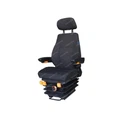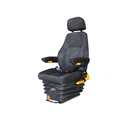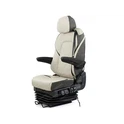


For any professional driver spending long hours on the road, a Truck Mechanical Suspension Seat is one of the most critical investments in comfort, health, and on-the-job safety. Models like the YSR 911-5B are purpose-built to absorb road vibration, reduce whole-body fatigue, and keep drivers focused and alert throughout demanding shifts. However, even the most well-engineered seat can only deliver these benefits consistently when it receives proper, regular care. The good news is that unlike air suspension alternatives, a mechanical design is inherently simpler to maintain - requiring no compressed air systems, electronic sensors, or specialized diagnostic tools. With nothing more than basic cleaning supplies, a little time, and a structured routine, any driver or fleet manager can keep these seats performing at peak condition for many years. This guide covers everything you need to know, from daily habits to annual inspections, so you can protect your investment and ensure every mile is as comfortable and safe as possible.
Why Maintenance Matters More Than You Think
It is easy to overlook seat maintenance when there are so many other vehicle systems demanding attention. But a mechanical suspension seat is a precision component - one that absorbs thousands of micro-impacts every single day. Over time, dirt and grit infiltrate adjustment tracks and pivot points, rubber bushings harden and lose their flexibility, springs develop surface corrosion, and fasteners gradually loosen under constant vibration. Each of these issues, left unaddressed, compounds into a larger problem: reduced vibration isolation, stiff or non-functional adjustments, unusual noises, and eventually premature structural failure.
Beyond comfort, there are direct safety implications. The integrated seat belt system - including the height adjuster and retractor mechanism - must function reliably to protect the driver in an emergency braking event or collision. If mounting hardware becomes loose due to neglected torque checks, the entire seat assembly can shift unexpectedly, creating a serious hazard. Proper driver positioning, made possible only when all adjustments work freely, also reduces the risk of repetitive strain injuries that plague long-haul operators. In short, maintenance is not merely about preserving the appearance of the seat - it is a fundamental part of keeping the vehicle safe and the driver healthy.

From a financial standpoint, well-maintained seats retain their resale value and dramatically reduce the frequency of costly replacements. A seat that might otherwise need replacement after three or four years of heavy use can easily last twice as long with consistent upkeep. For fleet operators managing dozens of vehicles, the savings across a full fleet are substantial.
Daily and Weekly Maintenance: Building Good Habits
The foundation of any effective maintenance program is a set of simple habits that take only a few minutes each day or week. Before or after every shift, take a moment to do a quick visual scan of the seat. Look for obvious signs of damage - tears in the upholstery, visible cracks in plastic components, or anything lodged in the adjustment mechanisms. Confirm that the seat belt retracts smoothly and latches securely. Slide the seat forward and backward through its full horizontal travel to verify there is no binding or unusual resistance.
For cleaning at this frequency, a soft brush or handheld vacuum is all you need to remove loose dirt, crumbs, and debris from the seat surface and the crevices around the base. If a spill occurs, address it immediately - blot the affected area with a clean cloth rather than rubbing, which can spread the stain and work moisture deeper into the fabric. For composite knitted fabric upholstery, which is the standard covering on many mechanical suspension truck seats, prompt attention to spills almost always prevents permanent staining.
Monthly Deep Cleaning and Adjustment Checks
Once a month, dedicate more time to a thorough cleaning and a systematic check of every adjustment function. For fabric upholstery, vacuum the entire seat surface carefully, paying close attention to seams and folds where dirt accumulates. Then prepare a mild soap-and-water solution - avoid bleach, ammonia-based products, or harsh solvents, all of which can degrade fabric fibers and fade color over time. Apply the solution with a soft cloth using gentle circular motions, then wipe clean with a damp cloth and allow the seat to air dry completely before use. For leather upholstery options, use a purpose-formulated leather cleaner for periodic deep cleaning, followed by a conditioner to keep the material supple and resistant to cracking. Leather should be kept away from prolonged direct sunlight whenever possible, as UV exposure accelerates drying and discoloration.
After cleaning, methodically test each adjustment mechanism. The YSR 911-5B offers a comprehensive range of adjustability: weight adjustment across a 40–130 kg range, 200 mm horizontal slide, ±60 mm height adjustment, ±12° rake adjustment, an 80°+41° backrest recline range, and a 75 mm three-position headrest. Each of these should operate smoothly without excessive force, binding, or slipping. If any adjustment feels stiff, a buildup of dirt or dried lubrication is the most likely cause - clean the relevant track or mechanism and apply a dry lubricant if needed. Also perform a visual check of the mounting bolts, looking for rust rings around bolt heads or any visible loosening, which would warrant a torque check.
Quarterly Inspection of the Suspension System
Every three months, it is worth going deeper into the mechanical suspension components that directly determine ride quality. Remove any debris from around the seat base to gain clear access to the suspension linkage, springs, and rubber components. Inspect each spring carefully for signs of fatigue cracking, permanent deformation, or surface rust that has progressed beyond superficial discoloration. Any spring showing structural compromise should be replaced promptly.
The rubber bushings at all pivot points deserve equal attention. These components absorb micro-movements within the suspension linkage and act as vibration dampers in their own right. When rubber begins to harden, crack, or show signs of deterioration, the seat will transmit more vibration to the driver and may develop a loose, imprecise feel. Replacing worn bushings is a relatively low-cost intervention that significantly restores suspension performance. If the seat design incorporates grease fittings at any pivot points, apply the manufacturer-recommended grease sparingly and wipe away all excess - a common mistake is over-greasing, which attracts dirt and ultimately creates more friction than it eliminates. For sliding surfaces and adjustment tracks, a dry lubricant is preferable to oil or grease-based products for the same reason.
|
|
|
|
|


This quarterly session is also a good time to clean thoroughly under and around the seat base, an area that tends to accumulate significant debris in agricultural, construction, and off-road trucking applications. Use a vacuum and a damp cloth to remove mud, dust, and any corrosive materials such as road salt or agricultural chemicals that can accelerate metal corrosion if left in contact with the frame.
Annual Comprehensive Inspection of the Mechanical Suspension System
Once a year, perform a full inspection of the entire mechanical suspension system from frame to upholstery. If practical, remove the seat from its mounting base to allow complete access to all components. Inspect the heavy-duty steel frame carefully for any cracks, particularly at weld joints and stress concentration points near the mounting brackets. Surface rust on non-structural areas can be treated with a suitable rust converter and protective coating, but any crack or structural damage warrants professional evaluation before the seat is returned to service.
Check all mounting bolt torque values against manufacturer specifications - for most M10 hardware, the typical range is 40–50 Nm, though you should always consult YSR documentation for exact figures. Bolts that have been operating under-torqued for an extended period may show fretting corrosion at the contact surfaces and should be replaced rather than simply re-torqued. Verify that the seat belt webbing is free of fraying, cuts, or discoloration, and confirm that the retractor mechanism locks instantly under a sharp tug. Any seat belt component showing wear or functional failure must be replaced immediately, as this is a primary safety system. Document the date and findings of each annual inspection in a maintenance log - this record is invaluable for warranty claims and provides a useful history if the vehicle changes hands.
Seasonal Considerations and Troubleshooting
Environmental conditions add another layer of maintenance consideration. During winter months, road salt and de-icing chemicals can rapidly accelerate corrosion on metal components - increase the frequency of under-seat cleaning and consider applying a protective coating to exposed metal surfaces. In summer, park in the shade or use a cab sunshade to protect upholstery and leather from UV degradation. During wet seasons or in humid climates, ensure the cab is well-ventilated and dry any moisture from the seat promptly to prevent mold or mildew growth in the foam padding and fabric.
For common issues, a persistent squeak almost always indicates dry pivot points in need of lubrication. A suspension that bottoms out repeatedly means the weight adjustment has not been set to the driver's actual body weight - this is one of the most frequently overlooked setup steps. A seat that drifts out of a locked adjustment position points to a worn latch mechanism. Stiff adjustments usually respond to cleaning and light lubrication. If any of these issues persist after basic maintenance, or if there is visible damage to the frame, seat belt system, or suspension linkage, contact YSR Seating Factory directly for professional guidance. The 911-5B is covered by a 12-month factory warranty, and the YSR team provides dedicated technical support to help resolve maintenance questions quickly.

Maintaining your truck seat is ultimately a small investment of time that pays significant dividends in comfort, safety, and long-term value. By following this structured approach - from daily habits to annual overhauls - you can ensure your seat continues to deliver the smooth, supportive ride it was designed to provide, shift after shift, year after year.
Have maintenance questions or need replacement parts?
Contact YSR Seating Factory today for expert advice and support.
📞Phone: +86-029-81136503
📧Email: sales@ysrseats.com
💬WhatsApp: +86-13991337062
📱WeChat: 18992819914
Related Articles
What's the difference between mechanical suspension and air suspension seats in trucks?
Do mechanical suspension truck seats reduce driver fatigue and back pain?
How do I choose the right mechanical suspension seat for my truck?
Will a mechanical suspension seat fit my truck's cab or mounting rails?
How do I install a mechanical suspension seat in a truck?
Can I install a mechanical suspension seat myself?
How much vibration do mechanical suspension seats absorb compared to rigid seats?
What are the key features of a good truck mechanical suspension seat?
What are the weight capacity and adjustment ranges for truck mechanical seats?
Are mechanical suspension seats worth the cost vs. air ride seats?
How do I maintain and clean a truck mechanical suspension seat?
Maintenance and durability of mechanical suspension seats
Can I replace my truck's existing seat with a mechanical suspension seat?