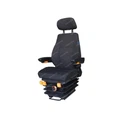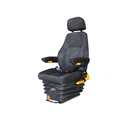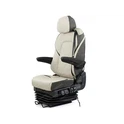


If you've been researching comfort upgrades for your vehicle, you've likely come across the Truck Mechanical Suspension Seat - a popular and practical solution for drivers who spend long hours behind the wheel. Models like the YSR 911-5B are designed to absorb road vibrations and reduce fatigue, making them a smart investment for truck operators, fleet managers, and owner-operators alike. But before placing an order, many buyers wonder: do I need a professional to install this, or can I handle it myself? The good news is that for most truck owners with basic mechanical aptitude, DIY installation is entirely achievable. This article walks you through what the process involves, what you'll need, and how to decide whether to tackle it yourself or call in a pro.
Understanding What Installation Actually Involves
Unlike air suspension seats - which require electrical connections, air compressors, and plumbing - a mechanical suspension seat operates through a purely mechanical system using springs and dampers. This "energy independent" design means there are no wires to run, no air lines to connect, and no external power source required. The installation process typically comes down to four steps: removing your old seat, cleaning and inspecting the mounting area, positioning and securing the new seat, and testing all adjustments before driving.
The core of the job is straightforward: most seats mount with four bolts to the cab floor. A mechanical suspension truck seat like the YSR 911-5B uses a standard bolt pattern, and if your new seat's base matches your existing mounting points, the swap can be completed in one to two hours by someone comfortable with basic hand tools. If mounting points don't align, you may need to drill new holes - a task better left to a professional unless you have experience with vehicle modifications.

What You'll Need: Tools and Physical Requirements
Before starting, gather the right tools. A ratchet and socket set (metric, 10–19 mm), combination wrenches, screwdrivers, safety glasses, and work gloves are all you truly need. A torque wrench is strongly recommended to ensure bolts are tightened to specification - typically 40–50 Nm for M10 bolts - and medium-strength thread locker helps keep fasteners secure over time. An impact driver can speed things up if you're dealing with stubborn or rusted hardware.
Physical capability matters too. The YSR 911-5B weighs approximately 35 kg (77 lbs), which means maneuvering it into a cab requires some effort. Having a second person on hand isn't just helpful - it's genuinely recommended for safe handling. Proper lifting technique (bend knees, keep your back straight) protects you from injury in what can be a tight, awkward workspace. Make sure you're working in a well-lit area on a level surface with enough room to open the truck doors fully.
Step-by-Step: A Practical Overview of the Installation
Step 1 – Prepare: Disconnect the battery as a precaution, clear the cab of loose items, and lay out all your tools. Even if your seat has no electrical components, disconnecting the battery is a good habit when working inside a cab.
Step 2 – Remove the old seat: Slide the existing seat forward and backward to access the mounting bolts, then remove them. With a helper, lift the old seat out of the cab carefully.
Step 3 – Inspect and clean: Check the floor and bolt holes for rust or damage. If you're ordering a seat with a custom base matched to your truck, test-fit the base before proceeding. This is a key advantage of choosing a manufacturer like YSR Seating Factory, which offers OEM and ODM options to simplify mounting compatibility.
Step 4 – Install the new seat: Position the seat, align with the mounting holes, insert bolts with thread locker, and torque to specification. A mechanical suspension system this straightforward really does come down to four bolts done correctly.
Step 5 – Test all adjustments: Before driving, verify that the horizontal slide (200 mm stroke), height adjustment (±60 mm), weight setting (40–130 kg), backrest recline, and headrest all function properly. Check that the seat belt operates normally.
Step 6 – Final safety check: Confirm all bolts are tight and the seat doesn't shift or rock. Take a short test drive and re-check torque after the first week of use.

When to DIY vs. When to Hire a Professional
For most truck owners replacing a worn-out seat with a direct-fit model, DIY installation makes excellent sense. You save on labor costs, and the simplicity of a mechanical suspension design - no electrical work, no plumbing, just bolts - keeps the job manageable. Intermediate-level mechanical experience is all that's needed.
However, there are situations where professional installation is the smarter call. If your mounting pattern doesn't match and requires drilling into the cab floor, that job demands precision and experience. Specialized vehicles - construction equipment, agricultural machinery, or vehicles with non-standard cab configurations - often have complications that aren't obvious until you're mid-installation. Warranty considerations also matter: always check whether your seat warranty requires professional installation before proceeding on your own.
When in doubt, reach out to the manufacturer before you start. YSR Seating Factory provides customer support via phone, email, WhatsApp, and WeChat, and their team can answer technical questions about mounting compatibility and installation specifics for your vehicle model.
|
|
|
|
|


Conclusion
Installing a mechanical suspension seat yourself is well within reach for most truck owners. The energy-independent design of quality seats like the YSR 911-5B eliminates the complexity that comes with air or electrically-powered alternatives, making the process a manageable afternoon project for anyone with basic tools and a willing helper. The key is honest self-assessment: know your skill level, confirm your mounting compatibility, and don't skip the torque specifications. When done right, a properly installed mechanical suspension system will deliver years of improved comfort, reduced driver fatigue, and better protection against the vibrations that wear on the body over long hauls.
Ready to upgrade your cab? Contact YSR Seating Factory for expert guidance, custom base options, or to place your order.
📞Phone: +86-029-81136503
📧Email: sales@ysrseats.com
💬WhatsApp: +86-13991337062
📱WeChat: 18992819914
Related Articles
What's the difference between mechanical suspension and air suspension seats in trucks?
Do mechanical suspension truck seats reduce driver fatigue and back pain?
How do I choose the right mechanical suspension seat for my truck?
Will a mechanical suspension seat fit my truck's cab or mounting rails?
How do I install a mechanical suspension seat in a truck?
Can I install a mechanical suspension seat myself?
How much vibration do mechanical suspension seats absorb compared to rigid seats?
What are the key features of a good truck mechanical suspension seat?
What are the weight capacity and adjustment ranges for truck mechanical seats?
Are mechanical suspension seats worth the cost vs. air ride seats?