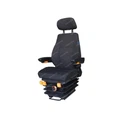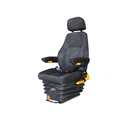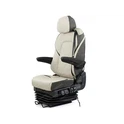


Installing a Scraper Seat correctly is fundamental to ensuring operator safety, comfort, and optimal equipment performance. Whether you're replacing a worn-out seat or upgrading to a premium model with advanced features, the installation process demands careful attention to detail. A properly installed seat not only enhances the operator's daily experience during long shifts but also contributes to overall productivity by reducing fatigue and minimizing the risk of workplace injuries.
The complexity of installation varies significantly depending on the seat model, machine type, and whether you're performing a direct replacement or a custom upgrade. Modern seats for construction machinery often include sophisticated features such as air suspension systems, integrated heating, and electronic controls-all of which require proper connection and testing. YSR Seating Factory, as a leading manufacturer among China Scraper Seat suppliers, provides high-quality seats with comprehensive specifications and technical support to simplify the installation process for technicians worldwide.
Before You Begin: Preparation and Safety
Successful installation starts with thorough preparation. First, gather all necessary tools and equipment: basic hand tools including wrenches and socket sets, a torque wrench for proper fastener tightening, safety glasses, work gloves, and importantly, a helper to assist with handling the seat's weight. For example, the YSR914-1P model weighs approximately 33kg, making it awkward and potentially unsafe for one person to maneuver alone in a confined cab space.
Safety must be your top priority. For construction equipment seats equipped with electrical components-such as 24V air suspension systems, heating elements, or seat occupancy sensors-always disconnect the machine's battery before beginning work. This simple precaution prevents short circuits, electrical shocks, and potential damage to sensitive electronic components.

Verify seat compatibility before removing your old seat. Compare the new seat's mounting base dimensions (for instance, 216×295.5mm) with your existing mounting points and available cab space. Check the overall seat dimensions against the operator station to ensure adequate clearance for full range of adjustment. Nothing is more frustrating than discovering a fitment issue after you've already removed the original seat.
Finally, review all available documentation. Read the manufacturer's installation manual thoroughly and consult any machine-specific guidelines provided by your equipment manufacturer. YSR provides detailed technical specifications with every seat, and their technical team can supply installation drawings upon request.
Step-by-Step Installation Procedure
1. Remove the Old Seat
Begin by unbolting the existing seat from the floor mounting points. Typically, seats for heavy equipment use four to six bolts securing the seat base to the cab floor. Before completely removing the fasteners, disconnect all wiring harnesses, which may include power connections for air suspension, seat occupancy sensors, heating circuits, and other electrical features. Carefully label each connection if they're not keyed differently to ensure correct reconnection later.
With all connections freed, carefully lift the old seat out of the cab. Be mindful of the weight and work with your helper to avoid strain or damage to surrounding cab components.
2. Prepare the New Seat
Unpack your new construction machinery seats on a clean, stable work surface. Assemble any removable components such as armrests, headrests, or additional padding according to the manufacturer's instructions. If your seat includes an independent air suspension system, verify that the 24V power lead is accessible and undamaged. Inspect all mounting hardware and ensure you have the correct fasteners for your specific installation.
3. Position and Secure the New Seat
With your helper's assistance, carefully position the scraper seats onto the mounting base in the cab. Align the bolt holes precisely-forcing bolts into misaligned holes can damage threads or crack mounting brackets. Insert all fasteners and hand-tighten them initially to allow for minor positioning adjustments.
Once you're satisfied with the seat position, torque the fasteners to the manufacturer's specified value using a crisscross pattern. This ensures even pressure distribution across the mounting base and prevents warping. YSR's technical documentation provides specific torque values for each seat model, typically ranging from 40 to 60 Nm depending on the fastener size and mounting configuration.
4. Reconnect Electrical Connections
Plug in the seat wiring harness, connecting the air suspension controls, optional heating circuits, and any other electrical features. Ensure all connections are firm and properly seated-loose connections can cause intermittent operation or error codes. Route all wiring away from moving parts such as the seat slide mechanism or reclining components. Secure loose wires with zip ties or existing wire routing clips to prevent chafing and future failures.
Reconnect the machine's battery and verify that the electrical system recognizes the new seat without error codes.
5. Test All Functions
Before considering the installation complete, thoroughly test every seat function. Adjust the seat forward and backward through its full range (typically 200mm for scraper seats), verify the height adjustment mechanism operates smoothly (approximately 65mm range), and check the backrest recline function. For seats with air suspension, test the one-touch inflation and deflation controls, ensuring the seat responds properly and holds air pressure.
Test any additional features such as heated cushions, lumbar support adjustments, or armrest positioning. Have an operator sit in the seat and adjust it to their preferred position to ensure smooth, controlled movement throughout the entire range of adjustment.
6. Final Inspection
Perform a comprehensive final inspection. Verify that all mounting bolts remain tight after initial operation-vibration during testing can sometimes loosen fasteners that weren't adequately torqued. Check that the seat sits level and stable with no rocking or unusual movement. Inspect the cab floor for any tools, debris, or packaging materials that may have been left behind during installation.

Special Considerations for Complex Installations
Not all installations are straightforward bolt-on replacements. When upgrading older machines or installing seats designed for different applications, additional considerations come into play.
Custom Base Modifications: When the new seat's mounting pattern doesn't match existing holes in the cab floor, YSR offers engineered solutions including custom base plates, elevated seat boxes that provide better operator visibility, and even 360° rotating bases for machines requiring enhanced operator versatility. These custom bases are designed specifically for your machine model, transforming a complex retrofit into a manageable installation.
Integrated Safety Belts: Some seat for construction machines models include integrated three-point safety belt systems. Ensure the retractor mechanism is securely mounted to the seat frame or cab structure according to specifications. Verify that the belt webbing moves freely through all guides without binding and that the buckle latches and releases properly. Safety belt installations must meet applicable safety standards-improper installation could compromise operator protection in a rollover event.
Retrofitting Older Machines: When installing modern construction equipment seats on vintage machinery, dimensional and electrical compatibility challenges often arise. YSR's pre-production sample program allows you to order a prototype seat manufactured to your specifications and drawings. This enables you to verify fitment, test functionality, and make any necessary adjustments before committing to a full production order for your entire fleet.
How YSR Seating Supplier Supports a Smooth Installation
Working with experienced China Scraper Seat suppliers like YSR Seating Factory provides significant advantages throughout the installation process. Their factory-direct expertise means you have access to technical support from engineers who designed and manufactured your seat. They can provide detailed installation drawings, torque specifications, electrical schematics, and answers to pre-sales technical questions.
YSR's customization capabilities through OEM/ODM services eliminate much of the guesswork in complex installations. By tailoring the seat's mounting base, wiring harness configuration, and feature set to match your specific machine, they transform what could be a challenging retrofit into a straightforward bolt-on installation. This customization extends to matching your machine's voltage system, cab dimensions, and even color preferences.
The sample program deserves special mention. By ordering a sample seat before committing to multiple units, you gain confidence that the seat will fit correctly, function properly, and meet your operators' needs. This trial approach is particularly valuable for fleet managers planning to upgrade multiple machines.
Every YSR seat ships with comprehensive documentation including dimensional specifications, weight ratings, adjustment ranges, and electrical requirements. Upon request, detailed installation instructions specific to your seat model can be provided, often including photos or diagrams that clarify complex steps.

Conclusion
Installing scraper seats is a manageable task for competent technicians when the seat is properly specified and supported by the manufacturer. The process becomes significantly easier when working with seats engineered for your specific application rather than attempting to force-fit generic alternatives. By following proper installation procedures-from careful preparation and safe removal of the old seat through systematic testing of the new installation-you ensure years of reliable service.
Choosing YSR means gaining not only a premium, ISO9001-certified seat manufactured to exacting standards but also a committed partner dedicated to your installation success. Their technical team understands that even the highest-quality seat delivers no value if it can't be installed correctly.
Ready to upgrade your operator comfort and safety? Contact YSR today to discuss your machine's specific requirements, explore custom-fitted seat options, or order a sample to verify perfect fitment before full installation.
Contact Information:
Phone: +86-029-81136503
Email: sales@ysrseats.com
WhatsApp: +86-13991337062
WeChat: 18992819914
Let YSR's expertise in construction machinery seats make your next installation project a success.
Related Articles
What is a scraper seat?
what machines use scraper seat?
What are the features of a scraper seat?
What's the difference between low-profile and high-profile scraper seats?
Do scraper seats come with suspension? Air or mechanical?
How much weight can a scraper seat support?
How do I choose the right scraper seat for my machine?
What suspension options exist for scraper seats?
How do I measure a seat to ensure it fits my scraper?
Are aftermarket scraper seats as good as OEM seats?
Where can I buy a scraper seat?
Can I replace my scraper seat myself?
How do I install a seat belt or safety harness on a scraper seat?
How do I install a scraper seat?
Are there ergonomic scraper seats available?
Do scraper seats improve operator comfort and reduce fatigue?
What do reviews say about different scraper seats?
Can scraper seats be customized?