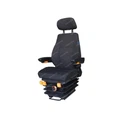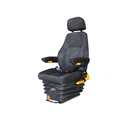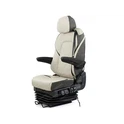


For equipment owners and fleet managers operating heavy machinery, the question of self-installation often arises when facing maintenance decisions. Whether driven by budget constraints, tight project timelines, or simply the satisfaction of hands-on problem-solving, many consider tackling replacements themselves. When it comes to operator comfort and safety, one crucial component often needs attention: the Scraper Seat. But is replacing this essential piece of equipment a feasible DIY project, or does it demand professional service?
The answer isn't always straightforward. While some seat replacements are remarkably simple bolt-on jobs, others require technical expertise, specialized tools, or custom modifications. YSR Seating Factory understands this reality and supports both professional installers and informed end-users by providing clear product specifications, customization options, and technical guidance. This article will help you determine whether you can confidently replace your scraper seat yourself-and how to ensure success if you decide to proceed.
Assessing the Feasibility: When DIY Replacement is Possible
Replacing seats for construction machinery isn't inherently difficult, but success depends heavily on specific circumstances. Several scenarios make self-replacement not just possible, but genuinely straightforward:
Direct Compatibility Exists: When your new seat is a direct physical and mechanical match for the existing one, the job becomes considerably easier. This means identical mounting patterns, similar dimensions, and compatible suspension systems. China Scraper Seat suppliers like YSR often provide detailed specifications-for instance, their YSR914-1P model features a base size of 216×295.5mm, allowing you to verify compatibility before purchase.

You Have the Right Skills and Tools: Basic mechanical aptitude goes a long way. If you're comfortable working with hand tools, following technical instructions, and understanding basic electrical connections, you're already qualified for most seat replacements. The essential toolkit includes socket wrenches, torque wrenches for proper bolt tension, wire strippers for electrical connections, and possibly an assistant-seats for heavy equipment like the YSR914-1P weigh approximately 33kg and benefit from two-person handling.
System Complexity is Manageable: Simpler seat models without extensive electronic integration are ideal DIY candidates. However, even some advanced construction equipment seats simplify installation through thoughtful design. For example, seats with independent 24V systems (like YSR's air suspension models with self-contained air pumps) avoid complex integration with the machine's existing electrical architecture, requiring only a straightforward auxiliary power connection.
The critical factor underpinning all these scenarios is preparation and having the correct replacement part. Measure twice, order once-and verify compatibility through technical specifications before committing to purchase.
Step-by-Step Guide to DIY Scraper Seat Replacement
If your situation aligns with the favorable conditions outlined above, follow this systematic approach:
1. Preparation & Safety First
Begin by ensuring a safe working environment. Disconnect the machine's battery to prevent electrical shorts or accidental system activation. Clear the cab of tools, debris, and obstacles to create adequate workspace. Given the weight of construction machinery seats-often 30-40kg-arrange for assistance during removal and installation. Gather your tools: socket sets, torque wrench, wire labels, electrical tape, and any fasteners that might not be reused.
2. Removal of the Old Seat
Start by sliding the seat fully forward and backward to access all mounting bolts. Typically, you'll find four to six bolts securing the seat base to the floor rails or mounting plate. Before unbolting, carefully disconnect any wiring harnesses. These might include power connections for pneumatic systems, heating elements, weight sensors, or seat position monitors. Label each connector with tape and marker-this simple step prevents confusion during reinstallation. Once disconnected, remove the mounting bolts and lift the old seat clear of the cab.
3. Preparation of the New Seat
Unpack your new seat in a clean area outside the cab. Many scraper seats arrive with detachable components for shipping efficiency. If your seat requires pre-assembly-attaching armrests, headrests, or mounting brackets-complete this work on the ground where you have space and proper leverage. Verify that all supplied hardware matches the installation requirements and that no components are damaged from shipping.
4. Installation of the New Seat
With help, position the new seat over the mounting points. Align the base holes with the floor mounting pattern, ensuring the seat faces the correct direction. Insert bolts finger-tight initially, then progressively tighten in a cross-pattern to ensure even seating and prevent base warping. Consult torque specifications if available-over-tightening can damage mounting threads, while under-tightening creates dangerous movement.
Next, address electrical connections. For seats for construction machines with independent systems, identify the 24V auxiliary power source (often used for accessories) and connect according to the manufacturer's color-coded diagram. More complex seats might interface with existing harnesses-match connector types carefully and ensure secure, corrosion-resistant connections.
5. Testing & Adjustment
Reconnect the machine's battery and power up the system. Before operating the machine, thoroughly test all seat functions. Check suspension travel, adjustment mechanisms (fore/aft, height, backrest angle), and any powered features like heating or pneumatic controls. Sit in the seat and verify it feels secure with no movement or unusual noises. Adjust settings to your preferred operating position and confirm all controls are within comfortable reach.

Key Challenges and When to Call a Professional
While many seat replacements are DIY-friendly, certain complications warrant professional assistance:
Significant Modifications Required: If mounting patterns don't align, you're facing custom fabrication work. Creating adapter plates, drilling new floor holes, or reinforcing mounting surfaces requires welding equipment, engineering knowledge, and understanding of load-bearing requirements. Improper modifications can create safety hazards or void warranties.
Complex Integrated Systems: Modern construction equipment seats sometimes interface with sophisticated machine systems-data buses that monitor operator presence, safety interlocks, or telematics that track usage patterns. Integrating aftermarket seats with these systems often requires specialized diagnostic tools and programming knowledge beyond typical mechanical skills.
Lack of Tools or Confidence: Professional mechanics invest in proper equipment for good reason. If you lack torque wrenches for precise fastener tensioning, electrical multimeters for troubleshooting, or simply feel uncertain about any installation step, the modest cost of professional installation far outweighs the risks of improper seat mounting in a multi-ton machine.
Warranty Considerations: Review your machine's warranty terms. Some manufacturers require certified technicians for certain replacements to maintain coverage. While aftermarket seats typically don't void warranties when properly installed, the installation method might matter-document your work with photos and retain all receipts.
How YSR Seating Supplier Supports Successful DIY Replacement
Working with knowledgeable suppliers transforms seat replacement from guesswork into a straightforward maintenance task. YSR Seating Factory provides several critical supports:
Ensuring Compatibility: Before ordering, you receive detailed technical specifications including base dimensions, mounting patterns, suspension travel, and electrical requirements. YSR's unique service of providing samples based on your drawings eliminates compatibility uncertainty entirely-send them measurements or photos of your current seat, and they'll confirm fit or suggest appropriate alternatives.
Providing Clear Information: Quality suppliers don't just sell products; they enable successful installation. YSR provides installation guides, wiring diagrams, and torque specifications with their seats. Their technical team understands that clear documentation reduces installation errors and customer frustration.
Customization for Perfect Matches: Perhaps most valuable is YSR's OEM/ODM capability. If standard catalog seats don't perfectly match your machine, their factory can customize base dimensions, mounting patterns, suspension height, or feature sets. This transforms what might be a complex modification project into a simple bolt-on replacement. Custom seats arrive ready to install using your machine's existing mounting points and electrical connections.
Expert Backup: Technical questions inevitably arise during installation. YSR's factory experts are accessible via phone (+86-029-81136503), email (sales@ysrseats.com), WhatsApp (+86-13991337062), or WeChat (18992819914) to answer pre-sales compatibility questions or provide installation guidance.

Conclusion & Final Recommendation: Empowered Replacement
Can you replace your Scraper Seat yourself? With the right seat match, basic mechanical skills, proper tools, and careful planning, the answer is often yes. Many fleet managers and owner-operators successfully complete seat replacements, saving both time and installation costs while gaining deeper familiarity with their equipment.
The critical success factor isn't mechanical ability alone-it's sourcing your seat from a supplier that understands your needs and provides the support necessary to ensure compatibility and simplify installation. Working with experienced China Scraper Seat suppliers who offer customization, technical specifications, and expert consultation transforms a potentially frustrating project into a straightforward maintenance task.
Before attempting replacement, honestly assess your situation: Do you have the tools? Do the specifications match? Are you comfortable with the electrical connections? If any answer is uncertain, professional installation remains the prudent choice. However, if you're prepared and properly equipped, self-installation is entirely achievable.
Ready to get started? Contact YSR Seating Factory with your machine model and current seat details. Their team will help you select a direct-fit option or design a custom-tailored seat that bolts right in. Request installation guidance, technical specifications, or order a sample to verify fit before committing to full purchase. Take control of your equipment maintenance with the confidence that comes from partnering with knowledgeable suppliers.
Contact YSR Seating Factory:
Phone: +86-029-81136503
Email: sales@ysrseats.com
WhatsApp: +86-13991337062
WeChat: 18992819914
Related Articles
What is a scraper seat?
what machines use scraper seat?
What are the features of a scraper seat?
What's the difference between low-profile and high-profile scraper seats?
Do scraper seats come with suspension? Air or mechanical?
How much weight can a scraper seat support?
How do I choose the right scraper seat for my machine?
What suspension options exist for scraper seats?
How do I measure a seat to ensure it fits my scraper?
Are aftermarket scraper seats as good as OEM seats?
Where can I buy a scraper seat?
Can I replace my scraper seat myself?