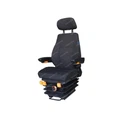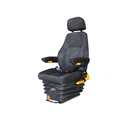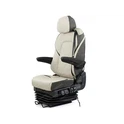


In the demanding world of construction and earthmoving operations, machine operators face relentless challenges: constant vibration from uneven terrain, jarring shocks from heavy loads, and the physical toll of extended shifts in hostile environments. These conditions aren't merely uncomfortable-they pose serious health risks, from chronic back pain to whole-body vibration syndrome. At the heart of addressing these challenges lies a critical component: the suspension system integrated into every quality Scraper Seat. This engineered feature serves as the primary barrier between the operator and the punishing forces transmitted through heavy machinery, directly influencing comfort, long-term health outcomes, and operational productivity.
YSR Seating Factory, a leading manufacturer specializing in construction equipment seats, has developed comprehensive suspension solutions that address the full spectrum of industry requirements. Understanding the available suspension technologies and their respective advantages is essential for equipment manufacturers, fleet managers, and operators who demand maximum performance from their seating investments.
Primary Suspension Types for Scraper Seats
Modern scraper seats employ two fundamental suspension technologies, each with distinct operational characteristics and application profiles.
Air Suspension (Pneumatic Systems)
Air suspension represents the premium tier of seat suspension technology. This sophisticated system utilizes an inflatable air spring-essentially a reinforced rubber airbag-paired with a dedicated pump to create a dynamic cushion of compressed air between the operator and the seat base. The pump can be powered by the vehicle's electrical system or operate as a self-contained unit.

The key benefits of air suspension are substantial. First, it provides superior vibration isolation across a broad frequency range, effectively filtering out both the high-frequency vibrations from engine operation and the low-frequency jolts from terrain irregularities. Second, operators gain precise control over ride height and firmness through simple inflation adjustments, allowing personalized comfort settings that accommodate different body weights and preferences. Third, the progressive spring rate of air systems-where resistance increases with compression-delivers exceptional comfort during extended operation periods.
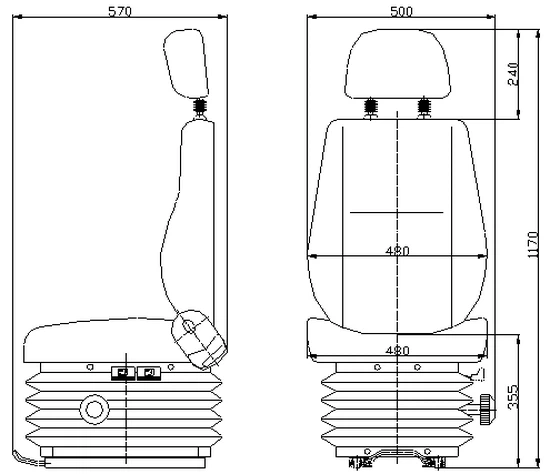
YSR's YSR914-1P model exemplifies advanced air suspension engineering. This seat for construction machines features a completely independent 24V electric air pump system, eliminating dependence on the host machine's pneumatic infrastructure. Operators can adjust seat height and firmness with intuitive controls, achieving optimal positioning within seconds. The system's self-contained design enhances reliability and simplifies installation across diverse equipment platforms.
Mechanical Suspension
Mechanical suspension systems take a more traditional approach, employing physical components such as coil springs, torsion bars, or leaf springs paired with hydraulic or friction dampers. These seats for heavy equipment deliver reliable performance through straightforward engineering principles.
The characteristics that define mechanical suspension include cost-effectiveness-typically 30-40% less expensive than comparable air systems-along with inherent robustness. With fewer complex components, mechanical systems offer excellent durability and require minimal maintenance beyond periodic lubrication. The solid-state design withstands harsh environments, extreme temperatures, and the rigors of continuous operation without the potential air leaks or pump failures that can affect pneumatic systems.
However, mechanical suspension generally provides less refined damping characteristics. While adequate for many applications, these construction machinery seats may not match the plush ride quality or precise adjustability of air-suspended alternatives, particularly during extended shifts on severely uneven ground.
Comparative Analysis
When evaluating these technologies, several factors emerge. Air suspension excels in comfort, adjustability, and vibration isolation but comes at higher initial cost and complexity. Mechanical suspension offers proven durability, lower maintenance requirements, and budget-friendly pricing, though with some compromise in ride refinement. For motor graders, large wheel loaders, and scrapers operating in punishing conditions, air suspension typically delivers superior value through reduced operator fatigue and enhanced productivity. For less demanding applications or cost-sensitive projects, mechanical systems provide entirely adequate performance.
Deep Dive: The Advantages of Modern Air Suspension
The preference for air suspension in high-performance construction equipment seats reflects genuine engineering advantages that translate directly to operational benefits.
Independent Operation: YSR's approach to air suspension design emphasizes system independence. The 24V electric pump configuration used in models like the YSR914-1P creates a self-sufficient suspension system that operates regardless of the host machine's air supply status. This architecture prevents the common problem where seat performance degrades when equipment pneumatic systems experience pressure drops during intensive tool operation. The dedicated pump maintains consistent suspension performance under all conditions, ensuring operators never sacrifice comfort when machine demand peaks.
Precision Adjustability: Modern air suspension systems offer unprecedented control. Single-button interfaces allow operators to inflate or deflate the air spring in real-time, accommodating different operators during shift changes or adjusting for varying loads and terrain conditions. This adjustability extends beyond simple height changes-operators can fine-tune the suspension's firmness to match personal preference, effectively customizing the ride quality. A lighter operator might prefer a softer setting for maximum comfort, while a heavier operator can increase firmness for optimal support and control.
Enhanced Shock Absorption: The physics of air suspension provides inherent advantages in managing dynamic forces. Air's compressibility creates a progressive spring rate that absorbs small bumps gently while resisting bottoming out during severe impacts. This characteristic proves particularly valuable in scraper seats, where operators encounter everything from fine vibrations during grading operations to violent shocks when crossing rough terrain or engaging heavy loads. By effectively filtering these forces, air suspension directly reduces the cumulative stress on operators' spines, significantly decreasing fatigue during 10-12 hour shifts that are common in construction and mining operations.

Choosing the Right Suspension for Your Application
Selecting appropriate suspension technology requires matching system capabilities to operational realities and business priorities.
Air suspension becomes the clear choice when:
- Terrain severity is high: Operations on rocky ground, undulating surfaces, or applications involving frequent crossing of obstacles demand maximum shock absorption.
- Shift duration is extended: When operators spend 8+ hours daily in the seat, the superior comfort of air suspension translates to measurable reductions in fatigue and associated productivity losses.
- Operator retention matters: In competitive labor markets, providing premium seating demonstrates commitment to worker wellbeing, aiding recruitment and retention efforts.
- Equipment value is substantial: On high-investment machines like motor graders and large wheel loaders, the incremental cost of air suspension represents a small percentage of total equipment value while significantly enhancing operator experience.
Mechanical suspension remains practical when:
- Budget constraints are significant: Projects with tight capital controls may prioritize lower initial investment over ultimate comfort refinement.
- Operating conditions are moderate: Equipment used primarily on prepared surfaces or relatively smooth terrain may not require the advanced damping of air systems.
- Maintenance simplicity is paramount: Operations in remote locations or with limited technical support benefit from the straightforward serviceability of mechanical systems.
- Environmental extremes exist: Some harsh environments where air system components might be vulnerable to contamination or damage favor robust mechanical alternatives.
As experienced China Scraper Seat suppliers, YSR Seating provides both suspension types and offers expert consultation to guide selection. Their engineering team evaluates specific machine models, typical application profiles, operator preferences, and budget parameters to recommend the optimal configuration. This consultative approach ensures customers invest in suspension technology that delivers genuine value rather than simply purchasing the most expensive or most basic option.

Customization and Flexibility with YSR
Understanding that standardized solutions rarely address the full diversity of industry requirements, YSR positions suspension selection within their broader customization framework.
The company's engineering capabilities extend beyond offering pre-configured seats to developing truly tailored solutions:
- Base suspension alternatives: Every major seat model in YSR's portfolio can be configured with either air or mechanical suspension, allowing customers to select the technology that best matches their priorities without being forced into a different seat design.
- Integrated modifications: When applications demand specialized mounting configurations-such as elevated seat boxes for improved visibility or custom mounting plates for unusual machine interfaces-YSR engineers the complete assembly to function optimally with the chosen suspension system. This holistic approach ensures that modifications don't compromise suspension performance.
- Custom engineering: For OEM manufacturers or operators with unique requirements, YSR develops bespoke suspension solutions. This might involve tuning air spring characteristics for specific weight ranges, modifying damper valving for particular vibration profiles, or creating hybrid systems that combine technologies. These seats for construction machinery reflect genuine application-specific engineering rather than merely cosmetic customization.
The flexibility to specify suspension characteristics as part of a comprehensive seat design process distinguishes professional construction equipment seats suppliers from commodity providers. It ensures that the suspension system-the component most directly affecting operator experience-receives the engineering attention it deserves.
Conclusion & Next Steps: Elevate Comfort with the Right Suspension
The suspension system represents far more than a technical specification in a scraper seat-it defines the seat's fundamental ability to protect operators from the harsh realities of construction and earthmoving work. Whether through the refined comfort of modern air suspension or the proven reliability of mechanical systems, this critical component directly determines operator wellbeing, equipment productivity, and long-term operational costs.
Partnering with a technically sophisticated supplier ensures access to the right suspension technology for each specific application. YSR Seating Factory combines extensive engineering expertise with manufacturing flexibility, delivering solutions that range from industry-standard configurations to fully customized designs. Their portfolio addresses the complete spectrum of requirements facing equipment manufacturers and operators.
Take the next step toward enhanced operator comfort and productivity. Contact YSR's technical team to discuss your specific suspension requirements, request detailed specifications for different suspension configurations, or explore the development of a custom solution engineered precisely to your application profile.
YSR Seating Factory - Your Partner in Advanced Seating Solutions:
Phone: +86-029-81136503
Email: sales@ysrseats.com
WhatsApp: +86-13991337062
WeChat: 18992819914
Invest in suspension technology that truly performs. Your operators-and your bottom line-will reflect the difference.
Related Articles
What is a scraper seat?
what machines use scraper seat?
What are the features of a scraper seat?
What's the difference between low-profile and high-profile scraper seats?
Do scraper seats come with suspension? Air or mechanical?
How much weight can a scraper seat support?
How do I choose the right scraper seat for my machine?
What suspension options exist for scraper seats?
How do I measure a seat to ensure it fits my scraper?
Are aftermarket scraper seats as good as OEM seats?
Where can I buy a scraper seat?
Can I replace my scraper seat myself?