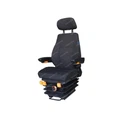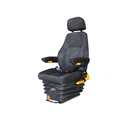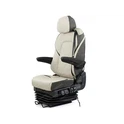


Driver comfort and safety are critical in the trucking industry. Hours spent behind the wheel on rough terrain can lead to fatigue, musculoskeletal issues, and reduced productivity. One of the most effective ways to combat these problems is investing in the right seating solution. A Truck Mechanical Suspension Seat - such as the YSR 911-5B from YSR Seating Factory - offers a proven, reliable approach to vibration control and driver protection. But how does it compare to an air suspension seat? Understanding the core differences helps truck owners and fleet managers make smarter, more cost-effective decisions.
What Is a Mechanical Suspension Seat?
A mechanical suspension seat uses a system of springs, dampers, and linkages to absorb road shock and isolate the driver from vibration. It is a passive system, meaning it requires no external power source to function. The driver manually adjusts the spring pre-load to match their body weight, allowing the seat to respond appropriately to bumps and impacts.

The YSR 911-5B mechanical suspension truck seat is a strong example of this design. It supports drivers weighing between 40 and 130 kg, offers ±30 mm of suspension travel, and is built on a heavy-duty steel frame engineered to withstand demanding environments. Additional adjustments include 200 mm of horizontal travel, ±60 mm height adjustment, ±12° seat rake, and an 80°+41° backrest range - giving drivers a highly customizable and ergonomic seating position.
What Is an Air Suspension Seat?
An air suspension seat replaces mechanical springs with an air-filled bladder or bag. A compressor - either electric or engine-driven - inflates or deflates the bag to maintain a consistent ride height and absorb shocks. Some systems are semi-active, automatically adjusting to changing road conditions and driver weight in real time.
Air suspension seats are commonly found in long-haul highway trucks, luxury coaches, and premium agricultural machinery. They offer an exceptionally smooth ride, particularly on highways, and reduce the need for manual adjustment once the air pressure is set. However, they rely entirely on the vehicle's air supply or electrical system to function.
Core Differences: Mechanical vs. Air Suspension
Working Mechanism
The mechanical suspension system works through physical spring compression and release. When the seat encounters a bump, the springs absorb the energy, while dampers control the rebound. This keeps the motion smooth without any active input.
Air suspension works differently - the bladder inflates or deflates dynamically, maintaining a set ride height regardless of driver weight or road conditions. This can offer more consistent performance on smooth road surfaces, but introduces complexity and dependency on external power.
Reliability and Durability
One of the greatest advantages of the mechanical suspension design is its resilience in harsh environments. Construction sites, off-highway terrain, and agricultural fields expose seating components to dust, moisture, extreme temperatures, and constant vibration. A simple mechanical structure has fewer points of failure and is far less sensitive to these conditions.
Air systems, by contrast, are more vulnerable. Air lines can crack, bags can develop leaks, and compressors can fail - especially in dirty or cold environments. Maintenance becomes more complex, and downtime is more likely.
Cost Considerations
A mechanical suspension truck seat typically comes with a lower purchase price and minimal ongoing maintenance costs. The design is straightforward, replacement parts are inexpensive and easy to source, and repairs can often be made without specialized technical knowledge.
Air suspension seats require a higher initial investment. In addition to the seat itself, the vehicle may need a compatible air supply system. Over time, air bags, compressors, and fittings will require inspection and periodic replacement, adding to the total cost of ownership.
|
|
|
|
|


Comfort and Ride Quality
Air suspension generally delivers superior ride isolation across a wider frequency range, making it particularly effective on long highway runs. Drivers who spend 8–12 hours a day on the road may benefit from the extra smoothness an air system provides.
That said, a well-designed mechanical suspension seat is more than adequate for the majority of truck applications. It effectively controls vibration within the frequency ranges most common in construction, agriculture, and short-to-medium-haul trucking. The YSR 911-5B, for instance, is engineered to deliver genuine comfort and protection even in highly demanding conditions.
Maintenance Requirements
Maintaining a mechanical suspension seat is simple. Periodic inspection of springs, dampers, and rubber components is typically all that is required. There are no air lines to check, no compressors to service, and no risk of pressure loss.
Air seats require regular attention to their pneumatic components. Compressors must be inspected and serviced, air lines checked for cracks, and bags monitored for wear. While these tasks are manageable, they add complexity to a fleet's maintenance schedule.
Which Seat Is Right for Your Application?
Choose a Mechanical Suspension Seat When:
- Your trucks operate on construction sites, in agriculture, or in off-highway environments
- The vehicle does not have an existing air supply system
- You need a durable, energy-independent solution
- You want to minimize maintenance demands and total cost of ownership
- You require a versatile seat compatible with a wide range of truck and equipment types
Choose an Air Suspension Seat When:
- Your drivers are on long-haul highway routes for extended daily periods
- The vehicle already has a reliable air supply system
- Maximum ride smoothness is the top priority
- Budget allows for higher upfront and ongoing maintenance costs
The YSR Mechanical Suspension Advantage
YSR Seating Factory's 911-5B Truck Mechanical Suspension Seat is purpose-built to deliver comfort, safety, and long-term value across a wide range of commercial and off-highway vehicles. Its comprehensive adjustability ensures that drivers of different sizes can dial in their ideal position, while its integrated height-adjustable 3-point safety belt and reinforced shoulder protection add a meaningful layer of security.
The seat's heavy-duty steel frame and premium materials make it well-suited for environments where air systems would struggle - proving that a well-engineered mechanical suspension system can compete with more complex solutions in real-world conditions.
YSR Seating Factory offers factory-direct pricing, OEM and ODM customization, ISO 9001-certified quality, and global shipping via express, air, or sea freight.

Conclusion
Both mechanical and air suspension seats serve important roles in the trucking industry. The right choice depends on your operating environment, vehicle type, budget, and comfort priorities. For operators who need a rugged, cost-effective, and low-maintenance solution - whether in construction, agriculture, or commercial trucking - the Truck Mechanical Suspension Seat is an outstanding choice that delivers real performance where it matters most.
Need help selecting the right seat for your fleet? Contact YSR Seating Factory today for expert guidance and a free quote.
Phone: +86-029-81136503
Email: sales@ysrseats.com
WhatsApp: +86-13991337062
WeChat: 18992819914
Related Articles
What is a truck mechanical suspension seat?
How does truck mechanical suspension seat and work?
What are the benefits of using a mechanical suspension seat in a truck?
Why do trucks use mechanical suspension seats?
Are Mechanical Suspension Seats Fully Adjustable?
What's the difference between mechanical suspension and air suspension seats in trucks?
Do mechanical suspension truck seats reduce driver fatigue and back pain?
How do I choose the right mechanical suspension seat for my truck?
Will a mechanical suspension seat fit my truck's cab or mounting rails?
How do I install a mechanical suspension seat in a truck?