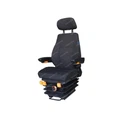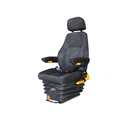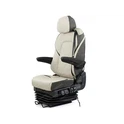


When fleet managers and independent operators invest in an Air Suspension Seat For Vehicle, one of the first questions they ask is: will it hold up, or will it start leaking after a year on the road? It's a fair concern. Air suspension systems involve pressurized components, rubber seals, and precision valves - all of which must work together reliably under constant vibration, variable loads, and extreme temperatures. The worry is entirely understandable. The good news is that a quality air suspension seat - built by an ISO9001-certified manufacturer - is highly durable and engineered to handle years of demanding use across diverse working environments. That said, like any mechanical system, failures can occur over time, and knowing what to watch for, how to prevent problems, and how to fix them quickly makes all the difference between a minor inconvenience and a costly downtime event.
Common Ways Air Suspension Seats Can Fail
The most frequent issue with any truck air suspension seat is an air spring leak. The rubber air bag that cushions the driver can develop small cracks or punctures over time, typically caused by age, ozone exposure, contact with sharp debris, or chronic over-pressurization from incorrect weight settings. Under normal operating conditions and correct adjustment, a quality air spring should last five to eight years before showing meaningful signs of wear. In practice, many well-maintained seats from reputable manufacturers exceed this range comfortably.
Beyond the air spring itself, the height control valve is another potential weak point. This component is responsible for maintaining the seat at the correct ride height relative to the cab floor. When it malfunctions - usually due to accumulated dirt, moisture ingress, or electrical issues in solenoid-operated designs - the seat either stays locked too high, delivering a harsh and jarring ride, or sags uncomfortably low, removing the suspension benefit entirely.

Air line fittings are a third common culprit: the plastic tubing connecting the air spring to the valve and compressor can loosen at connection points or develop hairline cracks from vibration fatigue, causing a slow but progressive leak that gradually reduces support throughout a long shift. For drivers of air suspension seats for pickup trucks used on rough terrain or unpaved job sites, worn shock absorbers are also worth monitoring closely. Over five to ten years, the hydraulic damper can lose fluid through seal wear, causing the seat to bounce excessively. Finally, the mechanical slide rails and height adjustment gears can jam or wear down if not cleaned and lubricated regularly.
The table below summarizes the five main failure types, their symptoms, causes, and relative severity:
|
Failure Type |
Typical Symptom |
Common Cause |
Severity |
|
Air spring leak |
Seat slowly sinks to the lowest position |
Rubber aging, puncture, over-pressurization |
Medium–High |
|
Height control valve failure |
Seat locks fully up (harsh ride) or continuously sags |
Dirt, moisture, solenoid fault |
High |
|
Air line / fitting leak |
Faint hissing sound; gradual loss of support |
Vibration fatigue, loose connection |
Low–Medium |
|
Shock absorber wear |
Excessive bouncing after bumps |
Seal aging, fluid loss |
Medium |
|
Slide rail / gear jamming |
Adjustment knobs stiff or impossible to turn |
Dust, corrosion, lack of lubrication |
Low |
How to Spot a Problem Early
Catching a developing issue early is far preferable to dealing with a complete failure mid-shift. Many problems give clear warning signals if drivers know what to listen and feel for. Here are the key warning signs to watch for in any air suspension seat for tractor or commercial vehicle application:
|
Warning Sign |
Likely Cause |
Recommended Action |
|
Seat slowly sinks to the lowest position |
Air spring, line, or valve leak |
Apply soapy water to locate leak |
|
Hissing sound when sitting or adjusting |
Air line or fitting leak |
Inspect, tighten, or replace |
|
Excessive bouncing after bumps |
Worn shock absorber |
Replace shock absorber |
|
Seat locks at full height, rides harshly |
Stuck height control valve |
Clean valve or replace |
|
Adjustment knobs stiff or hard to turn |
Dust or corrosion in gears / rails |
Clean and lubricate |
|
Set height drifts gradually up or down |
Slow valve or spring leak |
Leak test and repair |

Many of these symptoms develop gradually over days or weeks, giving drivers time to address them before a complete failure occurs. That's one meaningful advantage air suspension seats have over traditional coil spring or foam seats - they tend to provide early warning rather than failing abruptly, which gives fleet operators time to schedule maintenance rather than deal with emergency replacements.
Preventing Failures Through Proper Maintenance
Prevention is significantly cheaper than repair, and the vast majority of premature failures in an air suspension seat for truck trace back to neglected maintenance rather than inherent product defects. The following maintenance schedule covers everything needed to keep an air suspension seat performing reliably for its full service life:
|
Maintenance Task |
Frequency |
Key Points |
|
Inspect air lines, fittings, and air spring |
Every 6–12 months |
Soapy water leak test; check for cracks and abrasion |
|
Clean seat base and suspension components |
As needed (especially after dusty or muddy conditions) |
Wipe away grit before it reaches seals and bushings |
|
Lubricate slide rails and adjustment gears |
Every few months |
Use a quality dry lubricant |
|
Verify weight setting is correct |
Every time a different driver uses the seat |
Set within the 40–130 kg rated range |
|
Avoid exceeding the weight rating |
Always |
Overloading accelerates air spring wear significantly |
|
Purchase from an ISO9001-certified manufacturer |
At point of purchase |
Ensures consistent material quality and valve reliability |
Beyond these scheduled tasks, correct usage habits matter just as much as physical inspection. Setting the stiffness adjustment correctly for each driver's body weight prevents the seat from bottoming out repeatedly, which strains both the valve and the seat frame with every impact. Avoiding exposure to harsh chemicals or ozone sources - such as proximity to electric motors or battery charging stations - also protects the rubber air spring compound from premature degradation.
What to Do When a Leak or Failure Occurs
Even well-maintained seats eventually need attention, and most repairs on a quality air suspension seat for truck are straightforward, affordable, and achievable without specialized workshop facilities.
If you can hear or locate a leak, always start with the simplest fix first: tighten any loose fittings, then inspect and replace any cracked or kinked air line tubing. Standard 6mm or 8mm polyurethane tubing is inexpensive and widely available, and a line replacement takes no more than fifteen minutes with basic tools. Cleaning the height control valve filter with compressed air can resolve many valve-related issues without the need for a full replacement.

The table below outlines typical repair costs and time requirements for the most common components:
|
Repair Item |
Approximate Part Cost |
Replacement Time |
Tools Required |
|
Air spring |
$30–$80 |
30–60 minutes |
Basic hand tools |
|
Shock absorber |
$20–$50 |
30 minutes |
Basic hand tools |
|
Height control valve |
$20–$60 |
30 minutes |
Basic hand tools |
|
Air line / fittings |
$5–$15 |
15 minutes |
Scissors / wrench |
|
Slide rail and gear cleaning |
Near zero |
15 minutes |
Lubricant, cloth |
In most cases, total repair costs remain well under $100, which compares very favorably to the cost of a complete seat replacement. For seats purchased from YSR Seating, a 1-year manufacturer's warranty covers defects including air spring and valve failures. Beyond the warranty period, factory-direct spare parts remain available at competitive pricing, ensuring that long-term ownership costs stay manageable throughout the seat's full service life.
Frequently Asked Questions
Do air suspension seats eventually leak?
Yes, air springs and seals can develop leaks after extended use, typically after five to eight years. However, quality seats from ISO9001-certified manufacturers, when properly maintained, often exceed this range. Leaks usually give early warning signs and are inexpensive to repair.
How do I know if my air suspension seat is leaking?
Look for the seat slowly sinking to the lowest position, a faint hissing sound when sitting or adjusting, or an inability to maintain a set ride height. A soapy water spray test will pinpoint the leak location quickly and accurately without special equipment.
Can I fix an air suspension seat leak myself?
Yes. Most leaks originate from loose fittings, cracked air lines, or a failed air spring. Tightening fittings, replacing tubing ($5–$15), or swapping an air spring ($30–$80) takes under an hour with basic hand tools.
How can I prevent my air suspension seat from failing?
Inspect air lines and fittings every six to twelve months, keep the seat clean after dusty or muddy conditions, lubricate slide rails regularly, set the correct weight adjustment for each driver, and stay within the manufacturer's weight rating - typically 40–130 kg for a quality commercial seat.

Conclusion
Air suspension seats can and do develop leaks or mechanical wear over time - but with a quality product, correct setup, and consistent basic maintenance, outright failures are rare within the first five years of service. Most issues present clear warning signs well in advance and can be resolved in under an hour with low-cost replacement parts. Whether you operate air suspension seats for pickup trucks, long-haul freight trucks, agricultural tractors, or any other heavy working vehicle, the foundation of reliability is sourcing from a reputable manufacturer and building routine inspection into your maintenance schedule.
Worried about reliability, need a replacement part, or want expert advice on setup and adjustment? Contact YSR Seating today for a factory-direct quote and full technical support.
Phone: +86-029-81136503
Email: sales@ysrseats.com
WhatsApp: +86-13991337062
WeChat: 18992819914
Related Articles
What is the difference between air suspension seat and mechanical seat?
Where are air suspension seats used?
Do air ride seats reduce back pain?
Are air suspension seats good for long-distance driving?
How much vibration do air suspension seats reduce?
Air suspension seat vs mechanical seat – which is better?
Why are air suspension seats expensive?
Do air suspension seats fail or leak?
Do air suspension seats have lumbar support?
Do air suspension seats have heating or reclining functions?