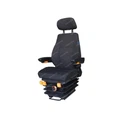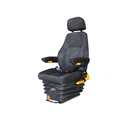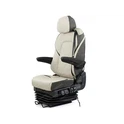


In the demanding world of agriculture, where operators spend countless hours navigating rough terrain and operating heavy machinery, the Agricultural Machinery Seat serves as far more than a simple place to sit-it's a critical safety component that can mean the difference between protection and injury during accidents or rollover incidents. As agricultural equipment becomes increasingly sophisticated, safety standards for seating have evolved to address not only structural integrity but also ergonomic support, vibration reduction, and compatibility with protective systems. Whether you're considering a replacement tractor seat or evaluating wholesale agricultural machinery seat options, understanding these safety requirements is essential for protecting operators and maintaining compliance across global markets.
Manufacturers like YSR Seating recognize that adherence to recognized safety and quality standards isn't optional-it's fundamental to producing seats that genuinely protect agricultural workers. From air suspension tractor seat designs to basic mechanical suspension models, every component must meet rigorous testing protocols before reaching the field.
Overview of Key Safety Standards and Regulations
International Standards
The foundation of agricultural seat safety rests on international standards that provide consistent benchmarks across borders. ISO 4254 establishes comprehensive safety requirements for agricultural machinery, while ISO 3776 specifically addresses seat belt anchorages-critical for ensuring restraint systems remain secure during impacts. For tractor seat manufacturers, ISO 5700 defines operator seating dimensions and performance requirements, ensuring seats accommodate diverse operator sizes and provide adequate support.
The OECD codes for agricultural tractor testing further complement these standards by establishing verification protocols that many countries adopt as part of their approval processes. These internationally recognized frameworks enable china wholesale tractor seats and products from other regions to achieve broad market acceptance when properly certified.

Regional and National Regulations
Market-specific requirements add additional layers of compliance. In the European Union, the Machinery Directive 2006/42/EC mandates CE marking for agricultural equipment, including seating systems. This directive requires manufacturers to conduct risk assessments and ensure seats meet essential health and safety requirements before products can legally enter EU markets.
United States regulations, primarily governed by ASABE (American Society of Agricultural and Biological Engineers) and ANSI standards, establish performance criteria for agricultural equipment safety. These standards influence specifications for aftermarket tractor air suspension seats and original equipment alike, particularly regarding ROPS (Rollover Protective Structures) compatibility and whole-body vibration limits.
Countries like Australia, Brazil, and China maintain their own regulatory frameworks that often reference international standards while adding region-specific requirements. For manufacturers offering china tractor seat universal designs, understanding these variations is crucial for ensuring products meet local compliance needs.
Industry-Specific Guidelines
Beyond formal regulations, industry guidelines address specialized safety concerns. ROPS compatibility requirements ensure that air suspension seat for tractors and other designs don't compromise the protective zone created by rollover structures. Whole-body vibration exposure limits, increasingly recognized as a serious health concern for agricultural operators, drive innovations in seat suspension performance and have led to the development of advanced tractor air suspension seat base technologies that significantly reduce harmful vibration transmission.
Core Safety Requirements for Agricultural Seats
Structural Integrity and Durability
Agricultural seats must withstand extraordinary forces. The frame construction requires materials capable of supporting operator weight while absorbing impacts during rough terrain operation without permanent deformation. Static load testing typically requires seats to support at least 130 kg without structural failure, while dynamic testing simulates years of field use through repeated loading cycles.
For john deere tractor seats replacement and equipment from other manufacturers, material strength and fatigue resistance testing verify that mounting points, adjustment mechanisms, and suspension components maintain integrity throughout their expected service life-often exceeding 10,000 hours of operation.
Restraint Systems
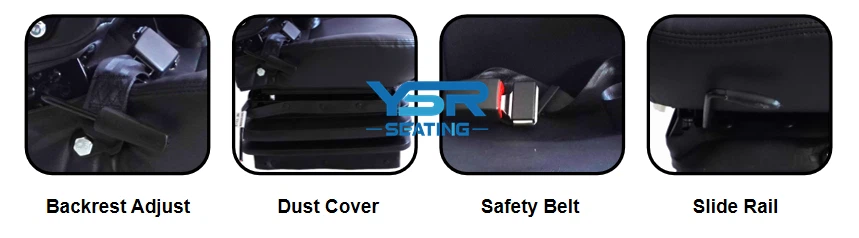
Seat belts represent perhaps the most critical safety feature. Modern agricultural seats must incorporate properly anchored restraint systems, typically lap belts at minimum, with three-point systems increasingly common on newer equipment. Belt anchorage points must withstand forces exceeding 1,350 kg without failure, ensuring restraints hold operators securely during rollover incidents when ROPS structures are engaged.
The integration between seating and ROPS systems is carefully engineered-the seat position must place operators within the protective zone while allowing proper belt routing. This compatibility consideration is especially important when selecting tractor seat replacement options, as aftermarket products must maintain the same safety envelope as original equipment.
Ergonomic and Operator Protection Features
Safety extends beyond crash protection to include operator wellness during normal operation. Adjustability features-including fore-aft positioning, backrest angle, armrest height, and lumbar support-enable operators to maintain postures that reduce fatigue and musculoskeletal strain during extended work periods.
Suspension systems, particularly advanced air suspension designs, play dual roles: reducing whole-body vibration exposure that can cause long-term health issues while improving operator comfort and control. Quality air suspension tractor seat models can reduce vibration transmission by 50% or more compared to rigid mounting, significantly decreasing cumulative exposure over a career.
Fire resistance requirements mandate the use of materials that resist ignition and minimize toxic fume production if combustion occurs. Foam cushioning, fabric covers, and structural components undergo flammability testing to ensure they meet safety thresholds.
Certification and Quality Management
ISO 9001 certification provides assurance that manufacturers maintain consistent quality control throughout design and production processes. This systems-based approach ensures that safety isn't achieved accidentally but results from deliberate processes, documentation, and continuous improvement.
Third-party testing and certification validate compliance with applicable standards. Products bearing CE marks, ASABE certification, or other recognized approvals have undergone independent verification-a crucial consideration when sourcing wholesale agricultural machinery seat inventory or selecting suppliers.
How Safety Standards Influence Design and Manufacturing
Safety integration begins at the concept stage. Leading manufacturers employ professional R&D teams who incorporate regulatory requirements into initial designs rather than attempting to add safety features afterward. Computer modeling, finite element analysis, and prototype testing identify potential weaknesses before production tooling is created.
Component selection reflects safety priorities. Certified materials with documented performance characteristics, quality fasteners with specified strength ratings, and proven suspension technologies form the foundation of compliant products. Manufacturing processes include regular inspections, batch testing, and traceability systems that enable rapid response if issues emerge.
YSR Seating exemplifies this approach through systematic quality management, maintaining documentation that demonstrates compliance and enables customers to verify that purchased seats meet applicable requirements for their markets and applications.
Verification and Testing for Compliance
Comprehensive testing protocols verify safety performance across multiple dimensions. Static load testing applies forces simulating maximum operator weight plus impact loads. Dynamic testing cycles seats through millions of suspension movements, verifying that mechanical components and air suspension systems maintain performance throughout their design life.
Belt anchorage strength testing applies forces far exceeding normal use, ensuring restraint systems won't fail during crashes. Suspension durability assessments confirm that tractor air suspension seat base assemblies continue isolating vibration effectively after years of field operation.
Material flammability testing and toxicity assessments ensure seats won't become ignition sources or produce dangerous fumes. These tests are particularly important for enclosed cab applications where fire risks pose serious threats.
Third-party certification bodies provide independent validation, while manufacturers' internal quality assurance programs ensure ongoing compliance between formal certifications. Comprehensive warranty coverage and post-sale support demonstrate manufacturers' confidence in their products' safety performance over extended service periods.
The Role of All Stakeholders in Upholding Safety
Manufacturers bear primary responsibility for designing, producing, and certifying seats meeting applicable standards. This includes providing accurate technical documentation, compliance certificates, and installation instructions that enable proper implementation.
Suppliers and distributors must ensure they source compliant products and provide customers with necessary safety information. When offering replacement tractor seat options or aftermarket products, they should verify compatibility with specific equipment models and confirm that safety features match or exceed original specifications.
Operators play the final critical role through proper use and maintenance. This includes wearing seat belts consistently, adjusting seats to appropriate positions before operation, conducting regular inspections for wear or damage, and following manufacturer maintenance schedules. Even the safest seat cannot protect an operator who doesn't utilize its features correctly.
Emerging Trends and Future Considerations
Technology continues advancing agricultural seat safety. Smart sensors can detect operator presence and seat belt usage, potentially preventing equipment operation when safety protocols aren't followed. Enhanced monitoring systems track vibration exposure, alerting operators and fleet managers when cumulative exposure approaches concerning thresholds.
Material science innovations produce increasingly durable components with better environmental resistance, extending service life while maintaining safety performance. Advanced composite materials offer strength-to-weight advantages that enable lighter seats without compromising structural integrity.
Regulatory bodies increasingly focus on long-term operator wellness, with stricter whole-body vibration limits driving demand for sophisticated suspension technologies. These evolving requirements push the industry toward higher-performance solutions that better protect agricultural workers' health throughout their careers.

Conclusion
Safety standards for agricultural machinery seats represent comprehensive frameworks designed to protect operators from immediate accident risks while promoting long-term health and wellness. From structural requirements ensuring crash survivability to ergonomic features reducing fatigue-related accidents, these regulations drive meaningful improvements in operator protection.
Whether you need a basic replacement or an advanced air suspension seat for tractors, choosing products from reputable manufacturers who prioritize compliance ensures you're investing in genuine safety rather than simply meeting minimum legal requirements. Quality seats from established suppliers combine certified performance with durability that maintains protection throughout years of demanding service.
Need safety-compliant seating for your agricultural equipment? Contact YSR Seating today to explore our certified solutions, request compliance documentation, or discuss custom designs meeting your specific safety requirements.
Phone: +86-029-81136503
Email: sales@ysrseats.com
WhatsApp: +86-13991337062
WeChat: 18992819914
Partner with YSR for seating that meets global safety standards-protecting your operators and your business through proven compliance and quality craftsmanship.
Related Articles
Are there waterproof seats available for agricultural machinery?
https://www.ysrseating.com/info/are-there-waterproof-seats-available-for-agric-103331310.html
What materials are agricultural machinery seats made from?
https://www.ysrseating.com/info/what-materials-are-agricultural-machinery-seat-103331330.html
What Are The Features Of Ergonomic Agricultural Machinery Seats?
https://www.ysrseating.com/info/features-of-ergonomic-agricultura-103331383.html
Can you adjust the height of a tractor seat?
https://www.ysrseating.com/info/can-you-adjust-the-height-of-a-tractor-seat-103332323.html
How does the suspension work on a combine harvester seat?
https://www.ysrseating.com/info/how-does-the-suspension-work-on-a-combine-harv-103332346.html
Do tractor seats come with seat belts?
https://www.ysrseating.com/info/do-tractor-seats-come-with-seat-belts-103332373.html
Are agricultural seats designed for rollover protection?
https://www.ysrseating.com/info/are-agricultural-seats-designed-for-rollover-p-103332399.html
Where can I buy replacement seats for tractors and other machinery?
https://www.ysrseating.com/info/where-can-i-buy-replacement-seats-for-tractors-103347300.html
John Deere seat replacement options
https://www.ysrseating.com/info/john-deere-seat-replacement-options-103347318.html
How to maintain and clean agricultural machinery seats?
https://www.ysrseating.com/info/how-to-maintain-and-clean-agricultural-machine-103347352.html
How do I keep my tractor seat in good condition?
https://www.ysrseating.com/info/how-do-i-keep-my-tractor-seat-in-good-conditio-103347378.html
What is the best way to clean a leather tractor seat?
https://www.ysrseating.com/info/what-is-the-best-way-to-clean-a-leather-tracto-103347402.html