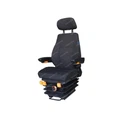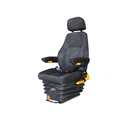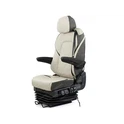


When you invest in quality equipment for your farm, protecting that investment becomes essential. Among the critical components that demand regular attention is the Agricultural Machinery Seat-a feature that directly impacts operator comfort, safety, and productivity during long hours in the field. Whether you're operating a combine harvester, tractor, or other heavy equipment, proper maintenance and cleaning of your seating system can significantly extend its lifespan, preserve its functionality, and ensure a safer working environment. Understanding the right care techniques is particularly important given the demanding conditions agricultural seats face: dust, moisture, temperature extremes, and constant vibration.
YSR Seating, a leading name among tractor seat manufacturers, has built its reputation on producing durable seating solutions designed to withstand harsh farming environments. Their products, certified under ISO9001 standards, come with comprehensive maintenance guidelines that help operators maximize their equipment's value. Whether you're considering a replacement tractor seat or maintaining your current setup, following proper care protocols makes all the difference.
Why Regular Maintenance Matters
Agricultural seating systems endure some of the toughest operating conditions imaginable. Dirt accumulation in adjustment mechanisms can compromise functionality, while moisture exposure accelerates corrosion on metal components. UV radiation from prolonged sun exposure degrades upholstery materials, causing cracking in leather and fading in fabric. An air suspension tractor seat, for instance, contains precision components-air lines, valves, and pumps-that require protection from debris and regular inspection to maintain optimal performance.
Beyond preventing wear and tear, consistent maintenance ensures that safety features remain fully functional. Seat belts must retract properly, mounting brackets need to stay secure, and suspension systems should provide adequate shock absorption to protect operators from repetitive stress injuries. Many wholesale agricultural machinery seat suppliers, including those offering china wholesale tractor seats, emphasize that following recommended care procedures not only maintains warranty coverage but also preserves the ergonomic benefits these seats are designed to deliver.

Hygiene plays an equally important role. Operators spending eight to twelve hours daily on their equipment deserve a clean, comfortable workspace. Regular cleaning prevents the buildup of bacteria, mold, and unpleasant odors that can develop in upholstery exposed to sweat, rain, and agricultural chemicals.
Material-Specific Cleaning Guidelines
Different upholstery materials require tailored cleaning approaches. Aftermarket tractor air suspension seats come in various finishes, each with specific care needs.
Genuine leather seats demand gentle treatment. Use a soft, slightly dampened cloth with a pH-neutral leather cleaner to wipe surfaces. Avoid harsh chemicals containing alcohol or bleach, which strip natural oils and cause premature cracking. Apply a quality leather conditioner every three to six months to maintain suppleness and water resistance. This practice is especially important for premium seating options often found in John Deere tractor seats replacement units and other high-end models.
Fiber leather and synthetic materials offer greater durability and easier maintenance. Clean these surfaces with a mild soap solution-just a few drops of dish soap in warm water works well. Use a soft brush or microfiber cloth to work the solution into the material, then rinse with a clean, damp cloth. Thorough drying prevents water spots and material degradation.
Fabric and woven upholstery requires a different strategy. Start by vacuuming loose dirt and debris using an upholstery attachment. For spot cleaning, apply a fabric-safe cleaner designed for automotive or outdoor furniture use. Work from the outside of stains toward the center to prevent spreading. Allow fabric to air dry completely before use to prevent mold growth and musty odors-common problems in humid agricultural environments.
For seats featuring spliced or hybrid materials, identify each material type and apply the appropriate cleaning method to each section. Always test any new cleaner on an inconspicuous area first to ensure it won't cause discoloration or damage.
Functional Maintenance and Inspection
Cleaning upholstery represents only part of comprehensive seat care. The mechanical and safety systems require equal attention.
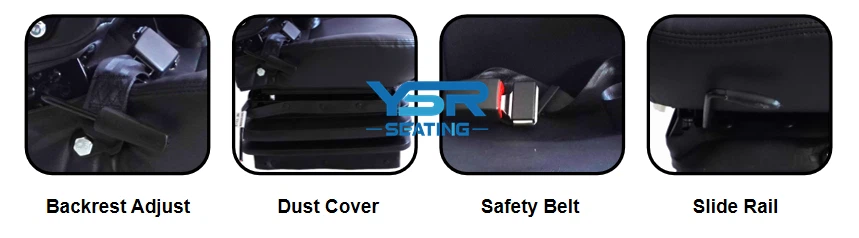
Adjustment mechanisms include slide rails, recline levers, armrest pivots, and height adjusters. Inspect these components monthly for smooth operation. Grit and debris can work into slide rails, creating resistance and accelerating wear. Clean tracks with a dry brush, then apply a light machine oil or silicone-based lubricant to moving parts. Avoid heavy greases that attract and hold dirt.
Air suspension systems, a hallmark feature in quality air suspension seats for tractors, need specialized attention. Check air lines for cracks, abrasions, or loose connections. Examine valves and pumps for signs of leakage-you might hear a faint hissing sound or notice the seat gradually losing height. Clean air pump vents regularly to prevent dust infiltration, which can damage internal components. Test suspension travel periodically by sitting in the seat and bouncing gently; movement should feel smooth and controlled throughout the full range.
|
|
|
|


Safety features require rigorous inspection. Examine seat belts for fraying, cuts, or wear, particularly at stress points near buckles and mounting points. Test buckle mechanisms to ensure they latch securely and release cleanly. Check that webbing retracts properly and doesn't bind. Inspect mounting bolts and brackets at least monthly, tightening any that have loosened due to vibration. Look for corrosion around bolt holes and treat affected areas promptly to prevent structural compromise.
Environmental Protection Strategies
Prevention often proves more effective than remediation. Protecting your tractor air suspension seat base from environmental damage reduces maintenance requirements and extends service life.
Prolonged UV exposure causes significant damage. When possible, park equipment in covered storage or use breathable seat covers when machinery sits idle. Modern covers designed for agricultural use allow moisture to escape while blocking harmful UV rays.
Moisture management is equally critical. After rain or equipment washing, wipe seats dry rather than allowing water to pool in crevices where it can promote rust and mildew. Pay special attention to seams, adjustment mechanisms, and the area around mounting points. For china tractor seat universal models with exposed metal components, consider applying a corrosion inhibitor to vulnerable areas during seasonal maintenance.
Temperature extremes also affect seat materials. In winter, avoid sitting forcefully on cold leather seats, which become brittle and prone to cracking. In summer, use reflective covers to prevent heat buildup that accelerates material degradation.
Deep Cleaning and Stain Removal
Despite regular maintenance, stubborn stains inevitably occur in agricultural settings. Mud, grease, hydraulic fluid, and fertilizer residue all present unique cleaning challenges.
For mud stains, allow the material to dry completely before attempting removal. Brush away as much dried mud as possible, then clean with appropriate material-specific cleaners. For grease and oil, blot excess immediately with an absorbent cloth-avoid rubbing, which pushes contaminants deeper into the material. Apply a degreasing agent designed for the specific upholstery type, let it work for the recommended time, then clean thoroughly.
Persistent odors sometimes develop despite regular cleaning. For fabric seats, sprinkle baking soda liberally over the surface, let it sit for several hours to absorb odors, then vacuum thoroughly. Fabric-safe deodorizing sprays can provide additional freshening, but avoid products with heavy fragrances that may cause respiratory irritation in enclosed tractor cabs.
Seasonal Maintenance Protocol
Establishing a structured maintenance schedule ensures nothing gets overlooked. Monthly tasks should include thorough cleaning of all surfaces, inspection of adjustment mechanisms, and bolt tightness verification. Document any wear or damage for tracking purposes.
Seasonal maintenance goes deeper. As seasons change, check specifically for sun damage like fading or cracking. Lubricate all moving parts with appropriate products-some lubricants perform poorly in temperature extremes. Test electrical connections if your seat includes heating, cooling, or electronic adjustment features. For tractor seat replacement planning, seasonal inspections help identify components nearing end-of-life before catastrophic failure occurs.
Annual deep maintenance should include professional servicing for complex suspension systems, replacement of worn components like bushings and straps, and comprehensive safety system evaluation. This thorough approach prevents unexpected failures during critical work periods.
Common Maintenance Mistakes
Understanding what to avoid proves as important as knowing proper procedures. Using abrasive cleaners or stiff brushes damages upholstery surfaces, creating entry points for moisture and accelerating wear. Household cleaners containing ammonia or bleach can irreversibly damage both leather and synthetic materials.
Ignoring small issues leads to major failures. A slightly loose mounting bolt today becomes a safety hazard tomorrow. A minor air leak in a suspension system progressively worsens, eventually leaving the operator without shock absorption protection during a busy harvest season.
Allowing dirt or moisture to accumulate in mechanical components causes premature wear and potential failure. Agricultural environments are inherently dirty, making regular cleaning not optional but essential for longevity.
Conclusion: Protecting Your Investment
Proper maintenance and cleaning of agricultural machinery seats directly impacts operator comfort, equipment longevity, and workplace safety. Whether you're caring for existing equipment or evaluating options from wholesale agricultural machinery seat suppliers, understanding proper care techniques ensures maximum return on investment. The relatively small time investment in regular maintenance prevents costly repairs and premature replacement while ensuring operators remain comfortable and safe throughout demanding workdays.
Proactive care represents the most cost-effective approach to seat management. Following material-specific cleaning guidelines, conducting regular mechanical inspections, protecting seats from environmental damage, and addressing issues promptly keeps your seating system performing optimally for years.
Ready to upgrade to a durable, easy-to-maintain seat designed for demanding agricultural applications? Contact YSR Seating today to explore high-quality seating options engineered for longevity and simple maintenance. Our team can provide detailed care guidelines, discuss custom solutions tailored to your specific equipment, or help you select the perfect seat for your operation.
Contact YSR Seating:
Phone: +86-029-81136503
Email: sales@ysrseats.com
WhatsApp: +86-13991337062
WeChat: 18992819914
Trust YSR for seats built to last-and engineered for easy maintenance-in the toughest farming environments. Your operators deserve the best, and your equipment deserves protection that pays dividends season after season.
Related Articles
How To Choose The Right Seat For Agricultural Equipment?
https://www.ysrseating.com/info/how-to-choose-the-right-seat-for-agricultural-103319047.html
How To Install A Seat In Agricultural Machinery?
https://www.ysrseating.com/info/how-to-install-a-seat-in-agricultural-machiner-103331205.html
Are Agricultural Seats Made From Waterproof Materials?
https://www.ysrseating.com/info/are-agricultural-seats-made-from-waterproof-ma-103331292.html
Are there waterproof seats available for agricultural machinery?
https://www.ysrseating.com/info/are-there-waterproof-seats-available-for-agric-103331310.html
What materials are agricultural machinery seats made from?
https://www.ysrseating.com/info/what-materials-are-agricultural-machinery-seat-103331330.html
What Are The Features Of Ergonomic Agricultural Machinery Seats?
https://www.ysrseating.com/info/features-of-ergonomic-agricultura-103331383.html
Can you adjust the height of a tractor seat?
https://www.ysrseating.com/info/can-you-adjust-the-height-of-a-tractor-seat-103332323.html
How does the suspension work on a combine harvester seat?
https://www.ysrseating.com/info/how-does-the-suspension-work-on-a-combine-harv-103332346.html
Do tractor seats come with seat belts?
https://www.ysrseating.com/info/do-tractor-seats-come-with-seat-belts-103332373.html
Are agricultural seats designed for rollover protection?
https://www.ysrseating.com/info/are-agricultural-seats-designed-for-rollover-p-103332399.html
Where can I buy replacement seats for tractors and other machinery?
https://www.ysrseating.com/info/where-can-i-buy-replacement-seats-for-tractors-103347300.html
John Deere seat replacement options
https://www.ysrseating.com/info/john-deere-seat-replacement-options-103347318.html