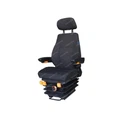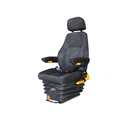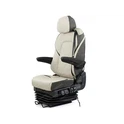


When it comes to tractor and heavy machinery safety, one question frequently arises: are agricultural seats designed for rollover protection? The answer is nuanced. While an Agricultural Machinery Seat is not itself a rollover protection device, modern seats are specifically engineered to integrate seamlessly with Rollover Protection Systems (ROPS) to form a comprehensive safety solution. The seat's robust construction, secure mounting, and integrated restraint systems work in concert with ROPS structures to keep operators safe during rollover incidents-one of the most dangerous accidents in agricultural work. Understanding how purpose-built seating contributes to overall rollover safety is essential for equipment owners, operators, and fleet managers committed to preventing workplace injuries.
Understanding ROPS and How Seats Integrate with Protection Systems
Rollover Protection Systems are structural frames, cabs, or roll bars installed on tractors and agricultural machinery to create a protective zone around the operator during a rollover. When a machine tips, the ROPS maintains clearance between the ground and the operator, preventing crushing injuries. However, ROPS can only protect operators who remain within this safety zone-and that's where the seat becomes critical.
Modern wholesale agricultural machinery seats are engineered with ROPS compatibility as a foundational design principle. This means secure anchorage points that align with vehicle floor structures, proper positioning to keep operators centered within the protective zone, and integration with seat belt systems that prevent ejection. International standards from ISO, OECD, and SAE provide technical specifications that guide manufacturers in creating seats that work effectively within ROPS-equipped environments, ensuring that every component of the safety system functions as intended.

Key Seat Features That Support Rollover Safety
Robust Mounting and Structural Integrity
The foundation of any safety-focused agricultural seat is its mounting system. Tractor seat manufacturers design seats with heavy-duty steel frames and reinforced bases that can withstand the extreme forces generated during a rollover event. Unlike consumer-grade seating, these industrial seats feature multiple bolt-down points and thick mounting plates that resist shearing or detachment when subjected to violent motion or impact.
For operators considering a replacement tractor seat, verifying that the new seat maintains or exceeds the original mounting specifications is crucial. A seat that becomes dislodged during a rollover eliminates the protection offered by both the seat belt and the ROPS structure. Quality manufacturers provide detailed installation specifications and mounting hardware designed specifically for secure attachment to ROPS-compatible bases.
Integrated Seat Belts as Standard Equipment
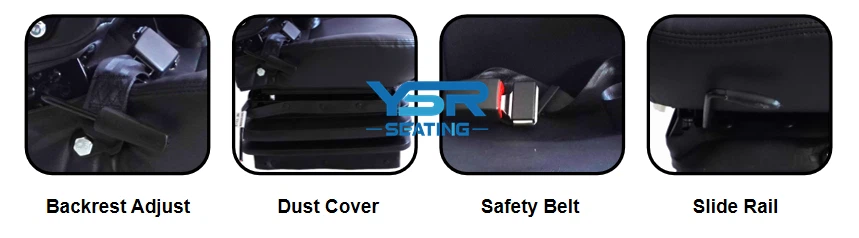
Seat belts are perhaps the most critical safety feature connecting the operator to the protective system. Modern air suspension tractor seats come standard with integrated seat belt mounting points and, in many cases, pre-installed belts. Models like the YSR214-1P include standard seat belts as part of the base configuration, ensuring that operators have immediate access to restraint systems without requiring aftermarket additions.
For enhanced safety, operators can upgrade to three-point harness systems, which distribute forces more effectively across the body during sudden stops or rollover events. When sourcing aftermarket tractor air suspension seats, confirming that belt attachment points meet industry standards ensures compatibility with existing safety systems and maintains the integrity of the overall protection strategy.
Design for Operator Containment
Beyond restraints, the physical design of the seat contributes to keeping operators safely positioned. Contoured seat backs, bolstered sides, and optional armrests work together to prevent lateral movement during normal operation and sudden events. Air suspension seats for tractors often incorporate high-back designs that provide additional support and help maintain proper posture within the ROPS clearance zone.
The suspension system itself plays a dual role: while primarily designed for comfort during long working hours, air suspension also helps absorb initial impact forces and maintain operator position during sudden terrain changes or minor tip events. This stability reduces the likelihood that an operator will be thrown from the seat before a belt can engage or before the ROPS structure takes effect.
Durable and Non-Fragile Materials
In rollover scenarios, seat materials must withstand significant stress without fragmenting or creating additional hazards. Quality China wholesale tractor seats utilize high-strength, tear-resistant upholstery and reinforced foam cushioning that maintains structural integrity under compression and impact. Unlike cheaper alternatives that might crack or shatter, professional-grade agricultural seating uses materials specifically selected for their durability under extreme conditions.
Weather resistance is equally important-seats exposed to sunlight, moisture, and temperature extremes must maintain their protective properties over years of use. UV-resistant fabrics, corrosion-resistant frames, and sealed suspension components ensure that safety features don't degrade over time, maintaining reliable performance throughout the seat's service life.
|
|
|
|


Customization for Enhanced Rollover Safety
One significant advantage of working with established manufacturers is access to customization options that address specific safety requirements. Many tractor seat manufacturers offer OEM/ODM services that allow fleet managers and equipment manufacturers to specify reinforced mounting points, specialized belt configurations, or materials that meet particular industry standards.
For operations requiring John Deere tractor seats replacement or compatibility with other major brands, custom engineering ensures that safety features integrate properly with existing ROPS structures. Manufacturers like YSR can modify base dimensions, adjust suspension travel, or incorporate fire-retardant materials to meet specialized safety protocols-all while maintaining the fundamental protective characteristics that make agricultural seating ROPS-compatible.
When evaluating China tractor seat universal options, consider whether standardized designs truly meet your machinery's specific safety requirements, or whether custom engineering would provide better integration with your rollover protection systems.
The YSR214-1P: A Case Study in ROPS-Compatible Design
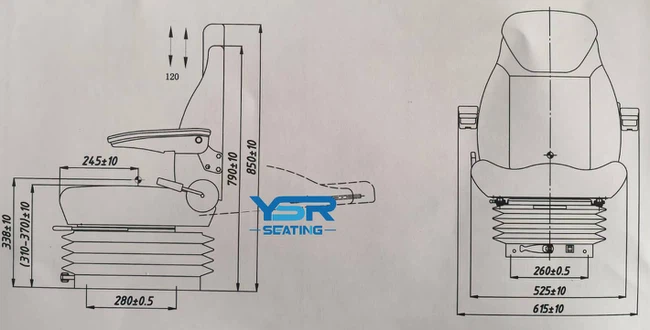
The YSR214-1P exemplifies how modern agricultural seating integrates safety features with operator comfort. This tractor air suspension seat base includes a standard seat belt system, ISO9001-certified construction, and heavy-duty mounting designed specifically for ROPS-equipped machinery. The air suspension system provides both comfort during extended operation and stability during sudden movements, helping maintain operator position within the protective zone.
What distinguishes this and similar models from basic seating is the intentional engineering for safety compliance. The seat's adjustability features-height, weight, and recline adjustments-allow operators of different sizes to maintain proper positioning relative to ROPS structures and control interfaces. This customization capability ensures that the seat belt and protective frame work effectively regardless of operator stature, addressing a common safety concern in shared-use agricultural equipment.
YSR's manufacturing capabilities also extend to tailoring seats for specific client requirements, whether that involves modifying suspension characteristics for particular terrain conditions, integrating additional restraint systems, or incorporating high-visibility materials for improved operator awareness in multi-machine environments.
Installation and Maintenance for Sustained Safety
Even the most well-engineered tractor seat replacement cannot provide adequate protection if improperly installed or poorly maintained. Proper installation begins with verifying that mounting bolt patterns align correctly with the vehicle base, that all fasteners meet specified torque requirements, and that no modifications compromise structural integrity. Many manufacturers provide detailed installation guides and recommend professional installation for critical safety components.
Regular maintenance is equally important. Monthly inspections should verify that mounting bolts remain tight, seat belts function smoothly without fraying, and suspension components operate within normal parameters. Any signs of wear-cracked frames, torn upholstery near stress points, or corroded mounting hardware-should trigger immediate replacement. The relatively modest cost of preventive maintenance far outweighs the potential consequences of safety system failure during an actual rollover event.
Regulations, Testing, and Certifications
International and regional standards provide the framework for agricultural seat safety. ISO standards specify requirements for seat strength, mounting systems, and restraint integration, while OECD codes address overall tractor safety including ROPS and seating compatibility. SAE standards provide additional technical specifications for North American markets.
Seats certified to ISO9001 standards undergo rigorous quality control processes that verify manufacturing consistency and material specifications. While this certification addresses general quality management rather than specific safety performance, it provides assurance that manufacturers maintain systematic approaches to product reliability-critical when components serve protective functions.
Reputable manufacturers also conduct internal testing that goes beyond minimum regulatory requirements, subjecting seats to accelerated wear testing, impact simulation, and restraint system verification. When sourcing seats, requesting test data or certifications demonstrates a manufacturer's commitment to safety beyond mere compliance.
Common Misconceptions About Seats and Rollover Protection
A persistent myth suggests that a sufficiently robust seat alone can prevent rollover injuries. This misconception is dangerous: seats are one component of an integrated safety system. Without a properly functioning ROPS structure to maintain clearance, even the strongest seat cannot prevent crushing injuries. Similarly, a seat without an effective restraint system cannot keep operators within the protective zone, regardless of how well it's mounted.
The reality is that effective rollover protection requires ROPS, secure seating, functioning restraints, and-crucially-proper operator behavior including consistent seat belt use and safe operating practices. Equipment owners should approach machinery safety holistically, ensuring that all components work together and that operators receive training on why each element matters.
Conclusion: Integrating Seats into Comprehensive Safety Systems
Agricultural seats are not standalone rollover protection devices, but they are absolutely designed to integrate with ROPS and contribute significantly to operator safety during rollover events. Purpose-built Agricultural Machinery Seats enhance rollover safety through robust construction, secure mounting systems, integrated restraints, and materials engineered to maintain integrity under extreme conditions.
When selecting seating for agricultural equipment, prioritize ROPS compatibility, verified safety certifications, and manufacturers with demonstrated expertise in protective equipment design. Whether you need standard wholesale agricultural machinery seats or custom-engineered solutions for specialized applications, partnering with experienced manufacturers ensures your equipment provides maximum protection for operators facing real-world hazards.
Looking to ensure your agricultural seating supports rollover safety and ROPS compatibility? Contact YSR Seating today to discuss safety-certified seat options, custom configurations, or expert advice tailored to your equipment.
Phone: +86-029-81136503
Email: sales@ysrseats.com
WhatsApp: +86-13991337062
WeChat: 18992819914
Partner with a trusted manufacturer like YSR to equip your machinery with seats that prioritize safety, durability, and compliance in every working condition.
Related Articles
What Is The Most Comfortable Tractor Seat?
https://www.ysrseating.com/info/what-is-the-most-comfortable-tractor-seat-103318540.html
Are There Tractor Seats With Suspension?
https://www.ysrseating.com/info/are-there-tractor-seats-with-suspension-103318547.html
How Do I Replace A Tractor Seat? A Complete Guide
https://www.ysrseating.com/info/how-do-i-replace-a-tractor-seat-a-complete-gu-103318555.html
How To Choose The Right Seat For Agricultural Equipment?
https://www.ysrseating.com/info/how-to-choose-the-right-seat-for-agricultural-103319047.html
How To Install A Seat In Agricultural Machinery?
https://www.ysrseating.com/info/how-to-install-a-seat-in-agricultural-machiner-103331205.html
Are Agricultural Seats Made From Waterproof Materials?
https://www.ysrseating.com/info/are-agricultural-seats-made-from-waterproof-ma-103331292.html
Are there waterproof seats available for agricultural machinery?
https://www.ysrseating.com/info/are-there-waterproof-seats-available-for-agric-103331310.html
What materials are agricultural machinery seats made from?
https://www.ysrseating.com/info/what-materials-are-agricultural-machinery-seat-103331330.html
What Are The Features Of Ergonomic Agricultural Machinery Seats?
https://www.ysrseating.com/info/features-of-ergonomic-agricultura-103331383.html
Can you adjust the height of a tractor seat?
https://www.ysrseating.com/info/can-you-adjust-the-height-of-a-tractor-seat-103332323.html
How does the suspension work on a combine harvester seat?
https://www.ysrseating.com/info/how-does-the-suspension-work-on-a-combine-harv-103332346.html
Do tractor seats come with seat belts?
https://www.ysrseating.com/info/do-tractor-seats-come-with-seat-belts-103332373.html