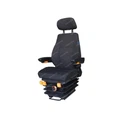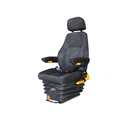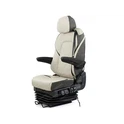


Tractor operators spend countless hours in the driver's seat, making seat comfort and functionality critical to productivity and long-term health. Whether you're dealing with a worn-out cushion, broken suspension, or simply want to upgrade to a more ergonomic Agricultural Machinery Seat, replacing your tractor seat is a practical solution that can dramatically improve your work experience. Common reasons for replacement include normal wear and tear after years of use, the desire for better lumbar support and vibration dampening, or the need to meet updated safety standards. Fortunately, replacing a tractor seat is a manageable DIY task that most operators can complete with basic tools and proper guidance.
This comprehensive guide will walk you through the entire process, from preparation to post-installation care. We'll also explore how to choose the right replacement tractor seat for your specific needs, including considerations for compatibility, features, and customization options. Companies like YSR Seating Factory specialize in manufacturing high-quality replacement seating solutions designed to fit a wide range of agricultural equipment.
Pre-Replacement Preparation
Safety First
Before beginning any work on your tractor, safety should be your top priority. Start by parking your machine on level, stable ground and engaging the parking brake to prevent any unexpected movement. If your current seat has electronic features such as air suspension controls, heated elements, or integrated sensors, disconnect the battery to avoid electrical shorts or accidental activation during removal. This simple precaution protects both you and your tractor's electrical system.

Tools and Materials Needed
Gathering the right tools beforehand will make the replacement process smooth and efficient. You'll typically need a set of wrenches and socket sets (commonly 10mm to 19mm), both flathead and Phillips screwdrivers, and possibly a drill with appropriate bits if you're installing a universal seat that requires new mounting holes. Don't forget your new seat-whether you're choosing an aftermarket tractor air suspension seat or an OEM replacement like the YSR214-1P model. Most quality seats come with mounting hardware included, but verify this before starting. Having penetrating oil on hand is wise for dealing with rusted fasteners.
Identify Your Current Seat and Mounting System
Understanding your existing setup is crucial for selecting a compatible replacement. Examine your current seat's mounting configuration, noting the bolt pattern and spacing between mounting holes. Check whether your seat has electrical connections-these might power air compressors for suspension, heating elements, or weight adjustment systems. Take measurements and photos if needed. Many tractor seat manufacturers offer both universal seats designed to fit multiple models and machine-specific replacements. For instance, if you're looking for John Deere tractor seats replacement options, you can find both OEM parts and compatible aftermarket alternatives that match the original mounting specifications.
Step-by-Step Replacement Guide
Removing the Old Seat
Begin by addressing any electrical connections. If your seat has powered features, locate the wiring harness-usually found beneath the seat base-and carefully disconnect it. Most connectors simply unplug, but some may have locking tabs that need to be pressed. Next, locate the mounting bolts that secure the seat to the tractor floor or seat base. These are typically four bolts arranged in a rectangular pattern, though configurations vary. Use the appropriate socket or wrench to remove these fasteners completely. Once all bolts are removed, carefully lift the old seat away from the mounting surface. Tractor seats can be surprisingly heavy, especially models with integrated suspension systems, so use proper lifting technique.
Preparing the Mounting Area
With the old seat removed, take time to inspect and clean the mounting area. Remove any dirt, debris, or old grease from the floor plate. Check for signs of corrosion, cracks, or damage that might affect the new seat's stability. If you're installing a china tractor seat universal model that doesn't match your original hole pattern exactly, you may need to drill new mounting holes. In this case, carefully measure and mark the positions using the new seat's base as a template, ensuring proper alignment before drilling.
|
|
|
|


Installing the New Seat
Position your new air suspension tractor seat over the mounting points, aligning the holes in the seat base with those in the tractor floor. Insert the mounting bolts and hand-tighten them first to ensure everything fits properly. Once you've confirmed alignment, use your tools to tighten the bolts in a cross pattern (similar to tightening wheel lugs), which ensures even pressure distribution and prevents the seat from sitting at an angle. Torque the bolts firmly but avoid over-tightening, which could strip threads or crack the seat base. If your new seat has electrical features, reconnect the wiring harness now, matching the connectors carefully. For seats with 12V or 24V air pump systems, verify the voltage matches your tractor's electrical system.
Adjusting and Testing
Before putting the seat into regular service, test all adjustment mechanisms. Slide the seat forward and backward on its rails to confirm smooth operation and proper locking at each position. Adjust the backrest angle through its full range. If your air suspension seat for tractors has weight adjustment features, set it according to the operator's weight (typically adjustable from 50 to 130 kg). Test the suspension by sitting down and bouncing slightly-you should feel smooth, controlled movement without bottoming out. Check that armrests adjust properly and that any headrest functions correctly. Finally, verify that the seat belt anchorage points are secure and the belt functions normally.
Choosing the Right Replacement Seat
Compatibility Considerations
Not all replacement seats are created equal, and compatibility is paramount. When shopping for a tractor seat replacement, you have two main options: universal seats and model-specific replacements. Universal seats offer flexibility and are often more affordable, but may require minor modifications to mounting holes. Model-specific seats guarantee a perfect fit but may have limited availability for older tractor models. Carefully verify mounting dimensions, bolt patterns (typically measured center-to-center), and the overall height to ensure the new seat won't interfere with steering wheel operation or visibility. If you're sourcing from china wholesale tractor seats suppliers, request detailed specifications and mounting diagrams before purchasing.
Features to Look For
Modern agricultural machinery seat technology offers numerous features that enhance comfort and reduce operator fatigue. Air suspension systems are among the most important upgrades-look for models with adequate stroke length (80mm is common) and wide weight adjustment ranges to accommodate different operators. The YSR214-1P, for example, offers air suspension with weight adjustment from 50 to 130 kg, suitable for most operators. Multi-directional adjustability is essential: fore/aft slide rails (typically 150-200mm of travel), backrest angle adjustment, height-adjustable armrests, and optional headrests all contribute to proper ergonomic positioning.
Material selection affects both comfort and durability. Genuine leather provides luxury and easy cleaning but requires more maintenance. Heavy-duty fabric offers breathability and wear resistance, ideal for dusty agricultural environments. Some wholesale agricultural machinery seat manufacturers also offer woven materials that combine durability with moisture management. Look for seats certified to relevant quality standards-ISO9001 certification indicates consistent manufacturing processes. A solid warranty (two years or more) demonstrates manufacturer confidence in product durability.
Customization Options
Many tractor seat manufacturers now offer OEM/ODM services, allowing you to customize seats to specific requirements. YSR Seating and similar suppliers can accommodate requests for custom upholstery colors to match company branding, upgraded materials beyond standard offerings, integrated heating elements for cold-weather operation, or swivel bases for operators who need to look backward frequently. For fleet managers purchasing multiple seats, customization ensures consistency across equipment while addressing specific operator needs. When dealing with tractor air suspension seat base configurations, some manufacturers can modify mounting patterns to fit unusual or older tractor models.
Common Challenges and Tips
Even straightforward replacements can present challenges. Rusted or seized bolts are common on older tractors. Apply penetrating oil and let it soak for several hours or overnight before attempting removal. If a bolt strips or breaks, you may need to drill it out and re-tap the threads or use a larger bolt with appropriate washers. For electrical connections, always refer to both your tractor's manual and the new seat's installation guide. If wiring colors don't match between old and new seats, use a multimeter to identify positive, negative, and ground connections before making connections. After installation, double-check that the seat is level-an unlevel seat may indicate uneven bolt tightening or a mounting surface problem that needs addressing.
Post-Installation Care and Maintenance
Proper maintenance extends your aftermarket tractor air suspension seats lifespan significantly. Clean the seat regularly with a mild soap solution and soft cloth, avoiding harsh chemicals that can damage upholstery. For leather seats, apply appropriate leather conditioner every few months. When parking your tractor outdoors, consider using a seat cover to protect against UV damage, which causes fading and material degradation. Periodically inspect mounting bolts-vibration can cause them to loosen over time. Tighten as needed, but again, avoid over-torquing. Check electrical connections for corrosion, especially if your tractor is used in humid conditions. For air suspension systems, listen for air leaks and ensure the compressor cycles properly when weight is applied.
Conclusion
Replacing your tractor seat is an investment in comfort, safety, and productivity that pays dividends every time you operate your equipment. By following this guide, you can successfully install a new seat that reduces fatigue, minimizes vibration-related health issues, and makes long workdays more bearable. The process is straightforward when approached methodically, and the results are immediately noticeable.
Selecting a high-quality Agricultural Machinery Seat from reputable manufacturers ensures you get the durability and performance needed for demanding agricultural work. Whether you're upgrading to air suspension, replacing a worn-out seat, or standardizing seating across a fleet, the right seat makes a measurable difference in operator satisfaction and equipment longevity.
Need a reliable replacement seat for your tractor? Contact YSR Seating today for compatible options, customization support, and expert installation advice. Their team can help you find the perfect seat for your specific tractor model and operational requirements.
Contact Information:
Phone: +86-029-81136503
Email: sales@ysrseats.com
WhatsApp: +86-13991337062
WeChat: 18992819914
Trust a professional manufacturer like YSR for durable, ergonomic, and easy-to-install seating solutions that keep you comfortable and productive throughout the longest workdays.
Related Articles
Benefits Of Suspension Seats For Reducing Vibration
https://www.ysrseating.com/info/benefits-of-suspension-seats-for-reducing-vibr-103224634.html
How Long Does An Air Suspension Seat Last?
https://www.ysrseating.com/info/how-long-does-an-air-suspension-seat-last-103229142.html
Air Ride Seat Lifespan
https://www.ysrseating.com/info/air-ride-seat-lifespan-103231378.html
What Are The Different Types Of Agricultural Machinery Seats?
https://www.ysrseating.com/info/what-are-the-different-types-of-agricultural-m-103318509.html
What Are The Features Of Ergonomic Agricultural Machinery Seats?
https://www.ysrseating.com/info/what-are-the-features-of-ergonomic-agricultura-103318527.html
What Is The Most Comfortable Tractor Seat?
https://www.ysrseating.com/info/what-is-the-most-comfortable-tractor-seat-103318540.html
Are There Tractor Seats With Suspension?
https://www.ysrseating.com/info/are-there-tractor-seats-with-suspension-103318547.html