

Every day, millions of drivers face the same relentless challenge: prolonged exposure to jarring vibrations, bone-rattling bumps, and constant shocks transmitted through their vehicle's chassis. For truck operators, heavy equipment drivers, and commercial vehicle professionals, this isn't merely an inconvenience-it's a serious health hazard that leads to chronic fatigue, spinal injuries, and diminished productivity. The engineered solution to this universal problem is suspension seating technology, designed to isolate drivers from the punishing forces of the road. Among the available options, the Truck Seat Mechanical Suspension stands out as a reliable, cost-effective choice that delivers professional-grade protection without unnecessary complexity.
How Suspension Seats Work: The Basic Principle
Suspension seats, often used in vehicles like cars, trucks, motorcycles, and even in aircraft, are designed to absorb shocks and vibrations, providing a smoother and more comfortable ride. The basic principle behind how they work is simple: they use a combination of springs, shock absorbers, and sometimes air pressure to isolate the occupant from the roughness of the terrain or the vibrations caused by motion.
Here's how they generally function:
1. Suspension Mechanism
- Springs: The main component of a suspension seat is typically a spring, which can either be coil springs, leaf springs, or air springs. These springs compress and decompress in response to bumps or jolts. The spring's job is to absorb the shock and return the seat to its normal position after it has been compressed.
- Shock Absorbers: Along with the springs, shock absorbers (or dampers) are used to control the rate at which the springs compress and decompress. They help to smooth out the motion, preventing the seat from bouncing uncontrollably.
- Air Suspensions (Optional): Some suspension seats use air bladders instead of traditional springs. These can be adjusted for different weights and preferences by adding or releasing air, providing a customizable level of cushioning.

2. Load Distribution
The suspension system works by evenly distributing the weight of the occupant, which helps reduce the impact of bumps or uneven surfaces. For example, when a vehicle hits a bump, the suspension seat compresses, absorbing the shock. This is particularly useful in situations where the terrain is rough, like off-roading or when driving on poorly maintained roads.
3. Adjustability
Many suspension seats are adjustable to accommodate different body types and preferences. You can usually adjust the amount of suspension travel (how much the seat can move) or even the stiffness of the springs to ensure a comfortable ride.
4. Vibration Reduction
Apart from absorbing shocks from bumps, suspension seats also help in reducing vibrations from the vehicle's engine or road noise. This is particularly important for long-term comfort and preventing fatigue, as constant vibrations can be tiring and even lead to health issues in extreme cases.
5. Seat Positioning
Some advanced suspension seats also allow the user to adjust the seating position (height, tilt, etc.) to optimize comfort while ensuring proper posture and support, which further enhances the overall benefit.
Overall, the goal of suspension seats is to minimize the physical discomfort and strain caused by shock or vibration, enhancing the rider's experience, whether they are traveling over bumpy terrain or dealing with continuous movement in a vehicle.
Key Features That Define Quality Mechanical Suspension
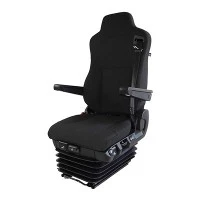
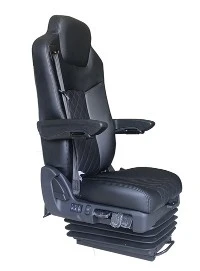
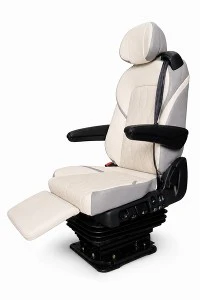
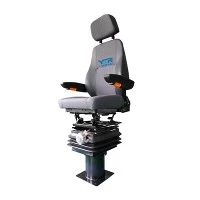
Modern commercial seats with mechanical suspension incorporate several essential adjustments to accommodate different drivers and operating conditions. The YSR911-53 model exemplifies these standard features:
- Weight Adjustment (40-130kg) allows the suspension system to be precisely tuned to each driver's body weight, ensuring optimal performance whether operated by a lighter or heavier individual.
- Height and fore/aft adjustment enable proper positioning relative to steering wheels, pedals, and visibility requirements.
- Backrest and headrest adjustment provide comprehensive ergonomic support throughout the spine and neck, reducing pressure points during extended shifts.
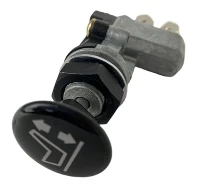
- One particularly valuable feature is the suspension lockout mechanism. This allows drivers to disable the suspension movement when needed-during loading and unloading operations, or when traveling on smooth highways where active suspension isn't necessary. Practical accessories like adjustable armrests, swivel bases for easier entry and exit, lumbar support cushions, and 4-point safety belts further enhance functionality.
The Tangible Benefits of Suspension Technology
The advantages of suspension truck seats extend far beyond simple comfort. Reduced driver fatigue represents the most immediate benefit-when your seat absorbs road impacts, your body expends far less energy maintaining stability and position. This conservation of physical resources translates directly into alertness and endurance.
Health protection constitutes perhaps the most critical benefit. Prolonged exposure to whole-body vibration is scientifically linked to increased risk of back pain, disc degeneration, and musculoskeletal disorders. Quality suspension seating dramatically reduces this exposure, protecting your long-term spinal health.

Improved focus and safety naturally follow from reduced fatigue and discomfort. A driver who isn't constantly distracted by physical pain maintains better situational awareness and vehicle control. Enhanced productivity represents the business case: operators can work longer shifts more efficiently when they're not battling constant discomfort.
Mechanical vs. Air Suspension: Making the Right Choice
When comparing suspension technologies, several factors should guide your decision. Cost clearly favors mechanical suspension as the more budget-friendly option, typically costing 30-50% less than comparable air suspension seats. The complexity difference is equally significant-mechanical systems' straightforward construction with fewer components translates to exceptional reliability and durability.
Performance varies by application. While air suspension offers slightly superior vibration isolation on extremely rough terrain, mechanical suspension provides excellent protection for the vast majority of commercial applications. The maintenance advantage strongly favors mechanical systems: no air compressors, no pneumatic lines, no valves to leak or fail-just robust springs and dampers that can be serviced with basic tools.
The Truck Seat Mechanical Suspension represents an ideal balance, delivering professional-grade protection with minimal complexity and maximum value for most operators.
Where Suspension Seats Make the Difference
Suspension truck seats prove essential across numerous industries. Commercial trucks and long-haul transport represent the largest application segment, where drivers spend 8-12 hours daily navigating highways and delivery routes. Construction, mining, and material handling equipment expose operators to some of the harshest vibration environments imaginable. Buses, coaches, and specialty vehicles benefit from passenger comfort and driver protection alike.
The common thread across all these applications is the need to protect human operators from cumulative vibration damage while maintaining operational efficiency.
The YSR911-53: Mechanical Excellence in Practice
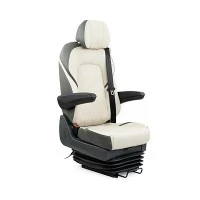
The YSR911-53 exemplifies what modern mechanical suspension should deliver. Built to ISO9001 quality standards with robust construction, this seat offers universal mounting compatibility across various truck models and brands. Customization options include multiple fabric choices, color schemes, and configuration variants to match specific vehicle interiors and operational requirements.
As a direct-factory solution with comprehensive OEM/ODM support, it represents exceptional value without compromising on the engineering fundamentals that define effective suspension seating.
 |
 |
 |
Protecting Your Most Valuable Asset
Suspension seats aren't luxury items-they're essential safety equipment that protects both human health and business productivity. Whether you're specifying commercial seats for a new fleet or upgrading existing vehicles, modern suspension technology delivers measurable returns through reduced fatigue, lower injury rates, and improved driver retention.
The question isn't whether you can afford suspension seating-it's whether you can afford not to invest in your drivers' wellbeing and performance.
Experience the Suspension Difference
Ready to upgrade your fleet with professional-grade suspension seating? Contact our experts to find the perfect solution for your specific vehicles and operational needs:
Phone: +86-029-81136503
Email: sales@ysrseats.com
WhatsApp: +86-13991337062
WeChat: 18992819914
Let us help you transform driver comfort, safety, and productivity with proven truck suspension seats technology.