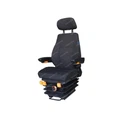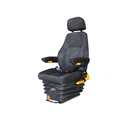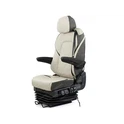


In the demanding environment of modern warehouses and distribution centers, forklift operators spend countless hours seated at the controls of their machines. Proper seat adjustment isn't merely a matter of comfort-it's a critical factor in operator safety, productivity, and long-term health. A well-adjusted Forklift Suspension Seat can mean the difference between an efficient, alert operator and one struggling with fatigue and discomfort. Understanding how to properly adjust your forklift seat is essential before investing in new equipment or requesting an Adjustable Forklift Seat quotation for your fleet.
The Importance of Proper Forklift Seat Adjustment
1. Improved Safety: Proper seat adjustment ensures better visibility and control, allowing operators to react quickly and avoid accidents.
2. Comfort: A well-adjusted seat reduces fatigue in the back, legs, and arms during long shifts, preventing strain and injury from poor posture.
3. Injury Prevention: Proper seat adjustment reduces pressure on the spine and joints, helping avoid long-term health issues like back pain.
4. Increased Efficiency: A comfortable seat allows operators to handle the forklift more precisely, reducing mistakes and boosting productivity.
5. Adaptability for Different Operators: Adjustable seats cater to different body types, ensuring every operator can find the most comfortable and effective position.
Key Seat Adjustments:
- Seat Height: Ensure knees are level with hips and pedals are within comfortable reach.
- Seat Depth: Support the thighs without pressure behind the knees.
- Backrest Angle: Keep the spine in a neutral position to reduce back strain.
- Armrests: Adjust to a comfortable height to avoid arm strain.

Step-by-Step Adjustment Guide
Weight Adjustment
The suspension system must match the operator's body weight to function effectively. Locate the weight adjustment knob or switch, typically positioned on the side of the seat near the front edge. Rotate the knob clockwise to stiffen the suspension if you're a heavier operator-this prevents bottoming out during operation. Conversely, rotate counterclockwise to soften the suspension for lighter operators, ensuring adequate cushioning and vibration absorption. The goal is to achieve a balanced feel where the seat absorbs shocks without excessive bouncing or compression.
Slide Rail Adjustment (Fore/Aft)
Proper distance from the controls is fundamental to comfortable operation. Identify the release lever located beneath the seat, usually on the front or side. Lift this lever while applying your body weight to overcome the seat's friction, then slide forward or backward to your desired position. The ideal position allows you to reach all pedals fully while maintaining a slight bend in your knees. Your back should rest against the backrest without requiring you to stretch forward to operate the steering wheel or controls.
Backrest Adjustment
The backrest angle profoundly affects spinal health. Locate the backrest angle control mechanism-this varies by model but is often a lever or knob on the seat's side. Adjust the angle to maintain your spine's natural curvature. The backrest should support your lower back (lumbar region) firmly while allowing slight recline for comfort. Consider the frequent turning and twisting motions required in forklift operation; your backrest should support these movements without forcing you to lean away from it.
Armrest Adjustment
Properly positioned armrests reduce shoulder and neck strain. Identify the height and angle adjustment mechanisms on your armrests. Set them to a height where your elbows rest comfortably when your shoulders are relaxed-not hunched up or drooping down. Ensure the armrests don't interfere with steering movements or control access. Some operators prefer slightly lower armrests for greater freedom of movement, while others benefit from higher support during long shifts.
Features of a Well-Designed Adjustable Forklift Seat
The YSR211-5 model exemplifies optimal adjustability in modern forklift seating. This universal forklift seat incorporates a sophisticated mechanical suspension system that accommodates operators ranging from lightweight to heavy-duty applications. Its 360-degree adjustable armrests provide unprecedented flexibility in positioning, ensuring that every operator finds their ideal configuration.
The intuitive weight adjustment mechanism allows quick customization without tools or complicated procedures. The smooth slide rail system operates effortlessly even after years of use, maintaining precise positioning without unwanted movement during operation. The seat's contoured design distributes pressure evenly, reducing fatigue points that commonly develop during extended shifts.

These features combine to create a truly adaptable seating solution. Whether you operate a small counterbalance forklift or a large reach truck, the universal design principles ensure proper fit and function. This versatility makes such seats ideal for facilities with multiple operators sharing equipment or those running multi-shift operations.
Benefits of Proper Adjustment
- Enhanced Comfort tops the list of benefits. Properly adjusted seats eliminate pressure points that cause numbness and discomfort. Operators report significantly reduced fatigue when their seats are correctly configured, enabling them to maintain focus throughout their shifts.
- Improved Safety follows directly from comfort. Alert, comfortable operators respond more quickly to hazards and maintain better situational awareness. The enhanced visibility and control access provided by proper positioning reduces accident risk substantially.
- Increased Productivity is a natural consequence of the previous benefits. Operators working in comfort complete tasks more efficiently, take fewer breaks for repositioning, and maintain consistent performance throughout their shifts. For facilities managing large fleets, these productivity gains multiply across all operators on a seated forklift.
- Health Protection represents the long-term benefit. Preventing musculoskeletal disorders saves both operators and employers from the pain and expense of workplace injuries. Proper seating is an investment in workforce health that pays dividends for years.
When to Consider Replacement
Even the best seats eventually require replacement. Watch for these warning signs: adjustment mechanisms that no longer hold position securely, suspension systems that have lost their responsiveness and bottom out frequently, upholstery tears that expose padding or create uncomfortable ridges, and persistent discomfort despite proper adjustment attempts.
When replacement becomes necessary, prioritize quality. Inferior replacement seats may save money initially but cost more through increased operator fatigue, reduced productivity, and potential health issues. Investing in premium seated forklift components protects your most valuable asset-your operators.
Getting Your Customized Solution
Evaluating your seating needs requires considering several factors: your operators' size range, typical shift lengths, operational environment characteristics, and specific forklift models in your fleet. Different applications demand different features-a rough terrain forklift requires more robust suspension than a smooth warehouse floor application.
Consulting with seating experts helps identify the optimal solution for your specific requirements. Professional guidance ensures you select seats that match your operational demands rather than settling for one-size-fits-all compromises. When you're ready to upgrade, obtaining a detailed Adjustable Forklift Seat quotation enables accurate budget planning and comparison shopping.
 |
 |
 |
YSR Seating offers comprehensive customization capabilities through their OEM/ODM services. Whether you need seats for a single specialized application or bulk orders for fleet-wide upgrades, their engineering team can develop solutions tailored to your exact specifications.
Optimize Your Forklift Operation
Proper forklift seat adjustment encompasses weight calibration, fore-aft positioning, backrest angle, and armrest height-each contributing to operator comfort, safety, and productivity. These adjustments aren't optional extras; they're fundamental to professional forklift operation. Investing in quality adjustable seating systems pays immediate dividends through reduced fatigue and improved safety while building long-term value through operator health protection.
Regular seat maintenance and comprehensive operator training ensure your seating investment delivers maximum return. Make seat adjustment part of your pre-shift routine, just as important as checking tire pressure or hydraulic fluid levels.
Contact Us for Professional Guidance
Phone: +86-029-81136503
Email: sales@ysrseats.com
WhatsApp: +86-13991337062
WeChat: 18992819914
Contact us for a detailed Adjustable Forklift Seat quotation tailored to your specific needs. Our team provides expert consultation to ensure you select the perfect seating solution for your operation.