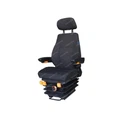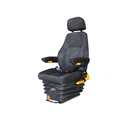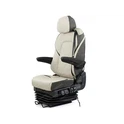


If you operate a truck, tractor, forklift, or any heavy-duty vehicle for long hours, choosing the right Air Suspension Seat For Vehicle is one of the most important decisions you can make for your comfort and long-term health. One of the most common questions buyers ask is simple but critical: how much weight can an air suspension seat actually support? The answer involves more than just a number - it's about how the seat is engineered to adapt to different operators and deliver consistent vibration isolation across a wide weight range.
Understanding Weight Capacity and How Air Suspension Works
A quality air suspension seat - such as the YSR914-53P - is designed to support operators weighing between 40kg and 130kg (approximately 88 lbs to 287 lbs). This range covers the vast majority of professional drivers, from lighter-build operators to heavier individuals who spend full shifts behind the wheel.
What makes air suspension seats fundamentally different from traditional mechanical seats is how they manage load. Rather than relying on fixed metal springs that either compress too easily or feel excessively stiff, an air suspension system uses an adjustable air spring. The driver can tune the internal air pressure using a dial or lever to match their specific body weight. When set correctly, the seat remains in its optimal mid-travel zone - the sweet spot where it can absorb road shocks in both directions without bottoming out or topping out.

This is especially important for a truck air suspension seat, where drivers regularly encounter uneven road surfaces, loading docks, and highway vibrations over the course of an eight-to-twelve-hour shift. A seat that isn't tuned to the operator's weight will transmit significantly more vibration to the spine, contributing to fatigue, back pain, and long-term musculoskeletal issues.
What Happens Outside the Supported Weight Range?
Understanding the 40–130kg range also means understanding what happens at the edges - and why proper weight matching matters as much as the seat itself.
For operators under 40kg, the air spring may feel overly stiff regardless of adjustment, resulting in reduced shock absorption and a rougher ride. Lighter operators can still use the seat by dialing the stiffness down to its minimum, but true optimal performance begins at 40kg. This is rarely a concern in most commercial or agricultural settings, but it's worth noting for fleets that employ a wide variety of operators.
For operators over 130kg, the more pressing concern is dynamic load. The seat's steel frame and base - with the unit itself weighing 35kg - can handle substantial static weight. However, the air suspension system is calibrated for dynamic loads within the 40–130kg range. Under heavy jolts, a driver exceeding this range may experience the seat bottoming out, which effectively eliminates the cushioning benefit. For heavier operators, manufacturers like YSR offer custom tuning or heavier-duty configurations to extend the supported range.
This dynamic is particularly relevant when selecting air suspension seats for pickup trucks, where drivers may use the same vehicle across multiple operators with different body types. A seat with a wide, easily adjustable weight range ensures each driver gets the same quality of ride isolation without needing to swap equipment.
How to Properly Adjust Your Air Suspension Seat
Getting the most out of your seat comes down to one simple process that takes less than a minute, but makes an enormous difference in daily comfort.
- Step 1: Sit in the seat in your normal driving posture - back against the backrest, feet on the floor or pedals as you would normally drive.
- Step 2: Locate the weight adjustment dial, typically positioned on the side of the seat base. On the YSR914-53P, this controls suspension stiffness through a continuous or multi-position adjustment mechanism.
- Step 3: Adjust the dial up or down while gently bouncing in the seat. You're aiming for the seat to settle at roughly mid-stroke - not fully compressed, not fully extended.
- Step 4: Take it for a short drive on typical terrain. If the seat bottoms out on bumps, increase stiffness slightly. If it feels harsh and doesn't absorb small vibrations, reduce stiffness.

This process applies equally to a air suspension seat for truck use on highway routes and to an air suspension seat for tractor use in agricultural or construction environments. The terrain differs significantly, but the adjustment principle remains the same. Tractor operators working on uneven fields or hillside terrain should check their adjustment periodically, as body posture and load conditions shift more frequently than in on-road driving.
Beyond the air spring itself, features like height adjustment (the YSR914-53P offers 7+7 gear height positioning), fore-and-aft slide rails with 23 locking positions and 230mm of travel, lumbar support, and optional seat heating all contribute to a personalized setup that reduces fatigue across long shifts.
Why Weight Range and Build Quality Define Long-Term Value
When evaluating air suspension seats, it's easy to focus on price alone - but the weight capacity range and construction quality are what determine whether a seat actually delivers on its promise over months and years of daily use.
A seat built to ISO9001 standards with a steel frame, proper welding, and a calibrated air spring will maintain its performance characteristics far longer than a budget alternative with vague specifications. For fleet managers purchasing multiple units, this translates directly into reduced replacement frequency, fewer driver complaints, and lower workers' compensation exposure related to vibration-induced back injury.
For operators selecting air suspension seats for pickup trucks used in service industries, delivery, or supervisory roles, the weight capacity range also matters because these vehicles often carry multiple drivers across different shifts. A seat adjustable from 40kg to 130kg accommodates nearly any adult operator without compromise.
The YSR914-53P is built for professional daily use across more than 15 industry sectors and has been shipped to customers in over 150 countries. With an MOQ of just one piece, it's accessible for individual owner-operators and large fleet buyers alike. OEM and ODM customization - including modified weight calibration for unusually light or heavy operators - is available directly from the factory, eliminating the cost and delay of working through distributors.
Conclusion
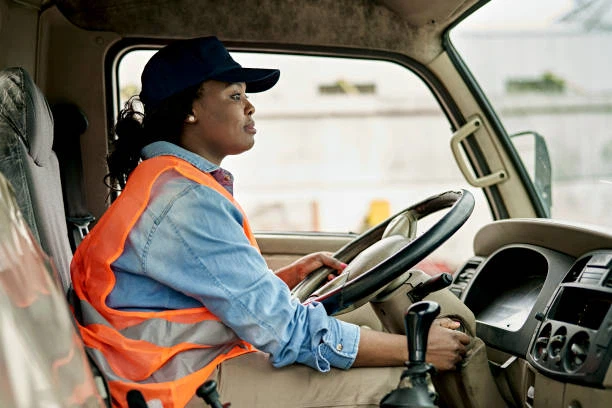
A well-engineered air suspension seat supports operators from 40kg to 130kg with continuously adjustable stiffness, delivering consistent vibration isolation whether you're driving a long-haul truck, a farm tractor, a pickup, or a construction vehicle. The key is proper weight adjustment - a 30-second process that transforms ride quality and reduces the cumulative physical toll of daily driving.
If you're unsure whether a seat fits your weight, your vehicle type, or your fleet's range of operators, the best next step is to speak directly with the manufacturer. YSR Seating offers factory-direct pricing, custom weight tuning for non-standard operators, and a one-piece minimum order so you can evaluate the seat in your own working conditions before committing to a larger purchase.
Contact YSR Seating today:
Phone: +86-029-81136503
Email: sales@ysrseats.com
WhatsApp: +86-13991337062
WeChat: 18992819914
Related Articles
What is an air suspension seat, and how does it work?
How do I adjust the air suspension on my vehicle seat?
Why should I choose an air suspension seat for my vehicle?
Are air suspension seats worth the cost?
How much weight can an air suspension seat support?
What are the benefits of air suspension seats in vehicles?