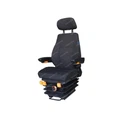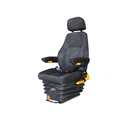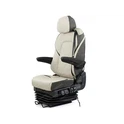


When considering a Fold Down RV Bed for your recreational vehicle, one of the most critical questions you'll ask is: "How much weight can it safely support?" This isn't just about comfort-it's a fundamental safety concern that affects both your daily travel and nightly rest. Understanding the weight capacity of these versatile seating-sleeping solutions is essential for making an informed purchase decision and ensuring the well-being of everyone in your RV.
The truth is, there's no universal answer. The weight limit of a fold-down RV bed isn't a single, standard number stamped on every unit. Instead, it depends on several interconnected factors related to the bed's design, construction quality, and specific configuration. This article will guide you through these determining factors, explain the engineering principles that ensure structural integrity, and show you how to find the precise capacity specifications for your particular needs.
Key Factors Determining Weight Capacity
Design & Construction Quality
The foundation of any reliable rv seat bed lies in its construction. The internal frame-typically made from high-grade steel or lightweight aluminum-forms the backbone of the entire structure. Premium models engineered for VIP applications utilize reinforced frames with strategic bracing points that distribute weight evenly across the entire unit.
Equally important are the hinges, locking mechanisms, and transformation hardware. Heavy-duty slide rails, robust pivot points, and secure locking systems work together to maintain stability whether the unit is configured as seating or deployed as a sleeping surface. Products built to ISO9001 certification standards undergo rigorous quality testing, including load stress tests that verify the bed can handle specified weights without failure or deformation.

Size & Configuration
A single-seat fold-down bed will naturally have different capacity specifications than a two-seat or three-seat bench configuration. The broader the sleeping surface, the more effectively weight can be distributed across multiple support points and frame members.
Modern rv seats with seatbelts are available in customizable widths ranging from 450mm to 1750mm, accommodating everything from compact campervans to luxurious motorhomes. A wider configuration doesn't just offer more sleeping space-it often provides enhanced structural support through additional frame components and reinforcement points.
Certification & Testing
Reputable manufacturers don't simply estimate weight capacities-they test them. Look for products that carry relevant safety certifications and have undergone independent load testing. ISO9001 certification indicates that a manufacturer follows consistent quality management practices throughout production, including verification that finished products meet specified performance standards.
When campervan seats with belts are designed for use as primary travel seating, they must meet even more stringent requirements, as they need to withstand the dynamic forces encountered during vehicle motion, sudden stops, and potential collisions.
Key Factors Summary Table
|
Key Factor |
Specific Impact & Considerations |
What to Look For When Purchasing |
|
Design & Construction Quality |
Frame material (steel/aluminum), welding techniques, and hinge/locking mechanism strength directly determine structural limits. |
Frame thickness, ISO9001 quality certification, manufacturer-provided structural test data. |
|
Size & Configuration |
Single, double, or multi-seat configurations have different weight capacities. Greater width typically means more support points and higher load potential. |
Specific model dimensions (e.g., 450-1750mm), whether it's a "reinforced" or "heavy-duty" variant. |
|
Certification & Testing |
Independent load testing and safety certifications provide reliable data rather than marketing estimates. |
ISO9001, specific automotive component safety standards (such as ECE R14, if applicable), manufacturer test reports. |
|
Integrated Safety Features |
Models with integrated seatbelts must meet dynamic crash standards, typically resulting in higher static weight capacity. |
Clear indication of compliance with "road vehicle seating safety standards" with integrated 3-point belts. |
Engineering for Strength: Features That Support Weight
Robust Transformation Mechanism
The core strength lies in the conversion system. The engineering behind a quality rv seat bed focuses on creating a transformation mechanism that maintains structural integrity in both positions. Heavy-duty slide rails allow smooth conversion from seat to bed while supporting substantial weight in the flat position. Reinforced locking points secure the bed frame firmly, preventing any shifting or sagging during use.
The base plate-the foundation upon which the entire mechanism is mounted-must be engineered to transfer loads safely to the vehicle floor. Premium models feature thick, reinforced base plates with multiple mounting points that anchor securely to the RV chassis.
Material Integrity
High-quality materials ensure long-term performance under load. While the frame provides structural support, the cushioning system also plays a role in weight distribution. High-density foam maintains its shape and supportive properties under load, preventing excessive compression that could stress the frame. Durable upholstery materials-whether fabric or leather-are selected not just for comfort but for their ability to withstand repeated use without tearing or degrading.
|
|
|
|


Integrated Safety Features
Seatbelt integration signals superior engineering. Products equipped with integrated seatbelts represent the highest tier of engineering. These campervan seats with belts must meet automotive safety standards, which means the entire structure-from mounting points to frame members-is designed to handle not just static sleeping loads but the dynamic forces of travel. This overengineering for safety naturally translates to impressive weight capacity in static sleeping configuration.
Core Engineering Features Table
|
Engineering Feature |
Function Description |
How It Contributes to Weight Capacity |
|
Heavy-Duty Slide Rails & Base |
Mechanism enabling front-to-back movement and bed conversion. |
Serves as the structural foundation, distributing loads and transferring them to the vehicle floor, preventing localized stress concentration. |
|
Reinforced Locking Mechanism |
Device that secures the backrest in bed mode. |
Ensures the bed surface remains flat and stable, preventing accidental folding or "sagging sensation" under load. |
|
High-Density Steel Frame |
Internal support structure, typically steel construction. |
Core component bearing vertical pressure; its tube diameter, wall thickness, and structural design determine bending and compression resistance. |
|
High-Resilience Foam & Durable Upholstery |
Cushion and bolster filling materials and surface fabrics. |
Provides even support, prevents excessive compression that would place direct stress on the frame, ensures long-term shape retention. |
Getting Your Specific Answer: The Role of Customization
Given the highly customizable nature of modern RV seating solutions, the most accurate weight capacity figure comes from the manufacturer's specifications for your exact configuration. Whether you need a compact single-seat unit for a campervan conversion or a full-width three-seat bench with seatbelts for a Class A motorhome, the capacity will vary based on your choices.
This customization through OEM/ODM manufacturing isn't a limitation-it's an advantage. Rather than settling for an off-the-shelf product with a generic weight rating, you can work with manufacturers to configure a solution that meets your specific requirements, whether that's accommodating taller individuals, heavier loads, or special use cases.
Conclusion & Actionable Guidance
The weight capacity of a Fold Down RV Bed depends fundamentally on its construction quality, size configuration, and engineering design. When evaluating options, look for indicators of strength: robust steel or aluminum frames, heavy-duty transformation mechanisms, relevant safety certifications, and transparent manufacturer specifications.
Your Action Checklist
|
Step |
What You Need to Do |
Why This Matters |
|
1. Define Your Requirements |
Determine typical occupancy, weight of larger passengers, your RV model, and installation space. |
Ensures the product's size and configuration match your actual usage scenario. |
|
2. Request Technical Specifications |
Ask the manufacturer (such as YSR) for detailed technical parameter sheets for specific models (e.g., YSRV-005). |
Obtain tested static weight capacity data rather than verbal promises or generic values. |
|
3. Inquire About Custom Options |
If you need non-standard dimensions or special reinforcement, explore OEM/ODM possibilities and corresponding capacity changes. |
Custom solutions provide the most precise and safe weight capacity guarantees. |
|
4. Verify Certifications & Warranty |
Confirm the product has relevant quality certifications and understand whether warranty terms cover structural issues. |
This represents the manufacturer's formal commitment to product durability and safety. |

FAQ: Fold-Down RV Bed Weight Capacity
Q: What's the average weight capacity for a fold-down RV bed?
A: There's no true "average" as it varies by model. A well-built single seat may hold 250-300 lbs (113-136 kg), while a heavy-duty double bench could support 600+ lbs (272+ kg). Always check the manufacturer's specs for your exact model.
Q: Is the weight rating for sitting or sleeping?
A: A reputable manufacturer's weight rating should account for both. However, a bed with integrated seatbelts is engineered to higher dynamic safety standards, often resulting in a more robust static sleeping capacity as well.
Q: Can I increase the weight capacity of my RV bed?
A: Not safely on your own. If you need higher capacity, consult the manufacturer about custom (OEM/ODM) options that may include reinforced frames and upgraded hardware from the start.
Q: How do I know if the weight capacity is reliable?
A: Look for products with ISO9001 certification and manufacturers who provide actual test data rather than estimates. Request documentation of load testing results for your specific configuration.
Your Next Step: Don't rely on generic estimates. Contact the manufacturer directly with your specific size requirements and intended use. Request detailed technical specifications, including tested weight capacity, for the exact model and configuration you're considering.
For professional guidance on selecting the right fold-down RV bed for your needs, including detailed load capacity specifications for products like the YSRV-005, contact YSR Seating:
Email: sales@ysrseats.com
Phone/WhatsApp: +86-029-81136503 / +86-13991337062
WeChat: 18992819914
Your safety and comfort depend on choosing the right product for your needs-make sure you have all the facts before you buy.