

In the demanding world of agricultural operations, every component of farm machinery plays a vital role in ensuring efficiency and operator well-being. Among these components, seating often receives less attention than it deserves, despite being the primary interface between operator and machine. Quality Seats For Agricultural Machinery are fundamental to maintaining comfort, safety, and productivity during long hours in the field. Understanding seat lifespan and recognizing when replacement becomes necessary can significantly impact both operational efficiency and operator health. YSR Seating Factory specializes in manufacturing durable, ergonomically designed seating solutions that stand the test of time, helping agricultural professionals maintain peak performance season after season.
Factors Affecting the Lifespan of Tractor Seats
The longevity of agricultural machinery seats depends on multiple interconnected factors that collectively determine how well a seat withstands the rigors of farm work.
Usage Intensity ranks among the most significant determinants of seat lifespan. Tractors operating in commercial farming environments may run 8-12 hours daily during peak seasons, subjecting seats to constant vibration, weight shifts, and mechanical stress. In contrast, equipment used occasionally on smaller properties experiences considerably less wear. The terrain also matters-rough, uneven fields generate more shock and vibration than smooth, cultivated land, accelerating deterioration of suspension systems and cushioning materials.

Environmental Exposure poses continuous challenges to seat integrity. Ultraviolet radiation from prolonged sun exposure degrades upholstery materials, causing fading, cracking, and eventual tearing. Moisture from rain, humidity, or equipment washing promotes mold growth, rust formation on metal components, and degradation of foam padding. Agricultural chemicals, fertilizers, and pesticides can be particularly corrosive, attacking both fabric and structural elements. Dust and debris work their way into adjustment mechanisms, compromising functionality over time.
Maintenance Practices dramatically influence how long agricultural seats remain serviceable. Regular cleaning removes corrosive substances and prevents premature material breakdown. Periodic lubrication of adjustment points and suspension components maintains smooth operation and prevents seizure. Systematic inspections catch minor issues before they escalate into major failures. Operators who consistently protect seats with covers during storage or inclement weather extend lifespan considerably compared to those who leave equipment fully exposed.
Build Quality establishes the baseline durability potential. Premium Autofit Tractor Seat manufacturers utilize reinforced steel frames, high-grade suspension systems, and commercial-grade upholstery designed specifically for agricultural applications. These materials resist wear far better than economy alternatives constructed with lighter gauge metals and consumer-grade fabrics. Manufacturing standards matter equally-precision welding, robust fastening systems, and quality control protocols separate products that last from those that fail prematurely.
Operator Weight and Use Patterns contribute measurably to wear rates. Heavier operators place greater stress on suspension systems and cushioning materials, potentially reducing lifespan if the seat wasn't designed for appropriate weight capacity. Frequent adjustment of seat position, armrests, and suspension settings can wear mechanical components faster than stationary operation, though modern designs from reputable Stationary Seats suppliers incorporate durable adjustment mechanisms built for repeated use.
Typical Lifespan of Agricultural Machinery Seats
Industry experience suggests that well-maintained agricultural seats typically function effectively for 5 to 15 years, though this range varies considerably based on the factors discussed above. Economy seats at the lower price point often fall within the 5-7 year range under moderate use, while premium Seats For Agricultural Machinery featuring superior construction and materials routinely exceed 10 years, with some lasting 15 years or more when properly maintained.
The disparity between economy and premium options becomes evident when examining construction details. Basic seats may utilize thin foam padding that compresses permanently after several seasons, simple mechanical suspensions with limited adjustment range, and vinyl upholstery susceptible to cracking. In contrast, high-quality agricultural machinery seats incorporate multi-density foam that maintains resilience, sophisticated air suspension systems providing superior vibration isolation, and heavy-duty fabric or synthetic leather resistant to environmental degradation.
Suspension type significantly affects both lifespan and performance longevity. Mechanical suspension seats with springs and dampeners remain functional for many years but may lose adjustment precision over time as components wear. Air suspension systems, while offering superior comfort and vibration control, require intact air bladders and seals-components that can fail if damaged or inadequately maintained. However, quality air suspension seats from established manufacturers typically include serviceable components, allowing repair rather than complete replacement.
Upholstery material selection influences both appearance retention and functional lifespan. Vinyl covers resist moisture but crack when exposed to temperature extremes and UV radiation. Fabric upholstery breathes better and remains more comfortable but may wear through at contact points. Advanced synthetic materials engineered for outdoor applications offer the best balance, maintaining appearance and integrity throughout the seat's service life.
Key Signs That a Tractor Seat Needs Replacement
Recognizing deterioration indicators helps operators replace seats before comfort and safety become seriously compromised.
Visible Wear and Tear provides the most obvious replacement signals. Torn or frayed upholstery exposes underlying foam to moisture and accelerated degradation. Cracked or hardened padding no longer provides adequate cushioning or vibration dampening. Faded, discolored materials often indicate UV damage that extends beyond surface appearance to structural integrity. When upholstery damage progresses beyond what simple repairs can address, replacement becomes the practical solution.
Structural Issues represent serious safety concerns requiring immediate attention. A seat that wobbles or shifts unexpectedly during operation indicates compromised mounting points or damaged frame components. Visible cracks in metal frame members or broken welds eliminate the structural integrity necessary for safe operation. Damaged mounting brackets risk complete seat failure, potentially causing operator injury. These conditions make seats from reliable Customized Autofit Tractor Seat providers essential replacement options.
Loss of Comfort and Support signals functional obsolescence even when structural integrity remains intact. Cushioning that has compressed to the point where operators feel the seat base through padding no longer serves its protective purpose. Suspension systems that bottom out regularly or fail to dampen vibration effectively compromise operator health during extended sessions. Degraded lumbar support allows poor posture that contributes to back pain and fatigue. When comfort features no longer function as designed, productivity and operator wellbeing suffer.
|
|
|
|
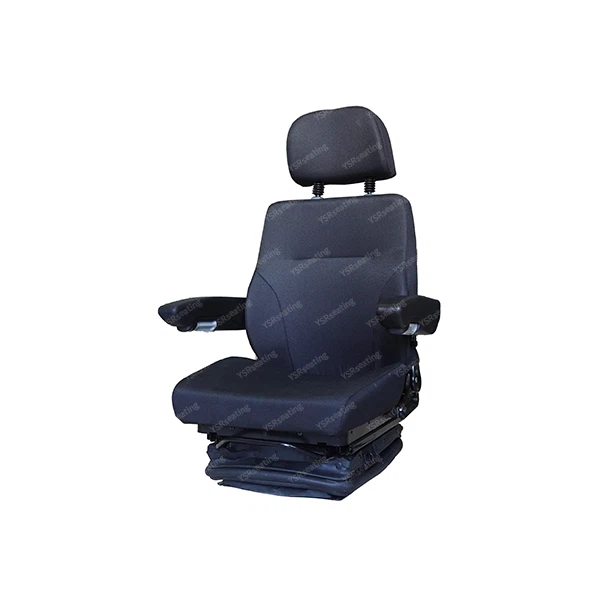
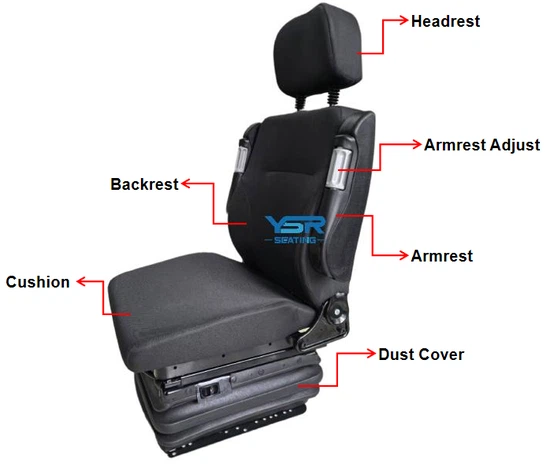
Functional Failures in adjustment mechanisms or integrated features necessitate replacement consideration. Seized height adjustment controls trap operators in non-optimal positions. Armrests that won't stay in position or have broken mounting points reduce stability and comfort. Air suspension leaks that require constant repressurization indicate seal failure. Integrated seat belt systems that jam or fail to retract properly compromise safety. While some mechanical issues accept repair, extensive functional failures often make replacement more economical than comprehensive restoration.
Increased Operator Discomfort manifests in ways that directly impact work quality and personal health. Persistent back pain after operating sessions suggests inadequate support or suspension failure. Premature fatigue during work previously completed comfortably indicates the seat no longer provides adequate vibration isolation or postural support. Difficulty maintaining stable positioning during operation creates safety risks and reduces precision in task execution. These experiential indicators often precede visible deterioration but signal equally urgent replacement needs.
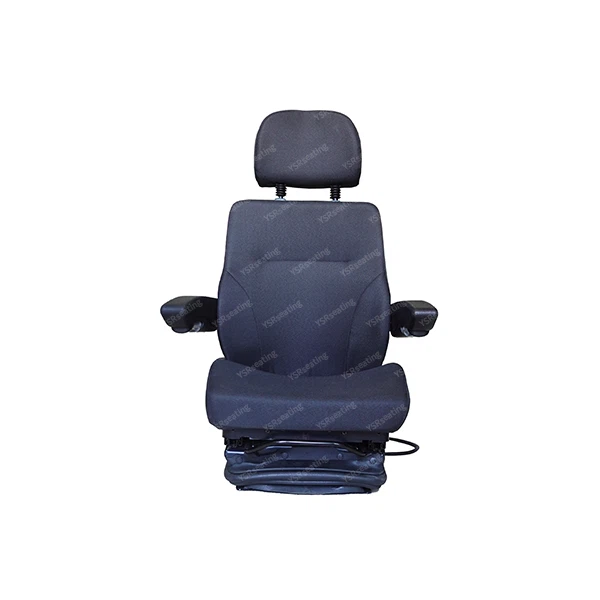
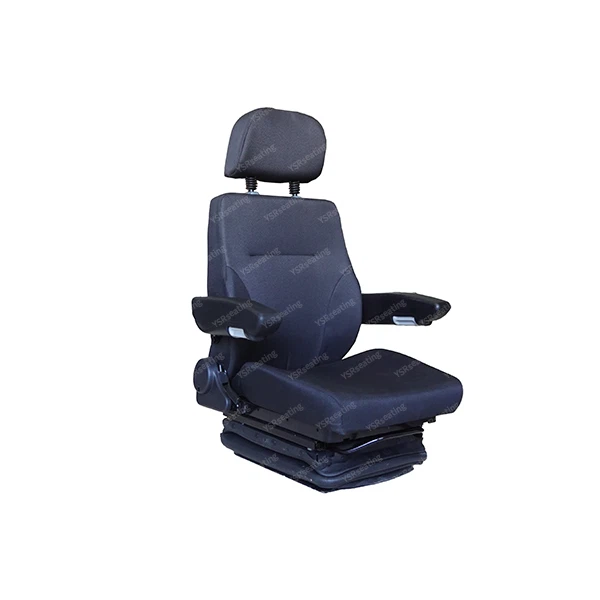
Spotlight on a Long-Lasting Seat: YSR214-2P
The YSR214-2P exemplifies the engineering approach that maximizes agricultural seat lifespan while maintaining superior operator comfort. This model incorporates design features specifically targeting durability and extended service life.
Structural longevity begins with a reinforced steel frame engineered to withstand decades of agricultural use. Precision welding and heavy-gauge construction create a foundation that resists the twisting forces and vibration inherent in field operations. Premium upholstery options include weather-resistant materials that maintain appearance and integrity through seasons of sun exposure and environmental challenges.
The integrated air suspension system represents advanced vibration isolation technology, protecting operators from the jarring impacts that cause fatigue and long-term health issues. Unlike economy mechanical suspensions that degrade over time, the YSR214-2P's air system maintains consistent performance when properly maintained, with serviceable components allowing repair rather than replacement if issues develop.
Rigorous quality testing throughout manufacturing ensures that each seat meets exacting standards before leaving the factory. This commitment to quality control means operators can expect consistent performance and reliability. With appropriate maintenance-regular cleaning, periodic inspection of adjustment mechanisms, and protection from unnecessary environmental exposure-seats like the YSR214-2P routinely provide 12-15 years of comfortable, reliable service.
Benefits of Timely Seat Replacement
Recognizing when to replace old farm machinery seats delivers multiple advantages extending well beyond immediate comfort improvements.
Enhanced Operator Health ranks as perhaps the most significant benefit. Modern ergonomic seats reduce musculoskeletal strain that accumulates during long operating sessions. Effective vibration dampening protects against the long-term health effects of whole-body vibration exposure. Proper lumbar support maintains healthy posture, reducing the chronic back problems common among agricultural operators. Investing in quality replacement seats represents an investment in operator wellbeing that pays dividends in reduced pain, fewer health issues, and extended productive working years.
Improved Safety accompanies properly functioning seating systems. Stable, securely mounted seats ensure operators maintain control during challenging maneuvers or when traversing rough terrain. Reliable adjustment mechanisms allow optimal positioning for visibility and machine control. When seats include integrated safety features like seat belt systems or operator presence switches, maintaining these components in proper working order becomes essential to overall machine safety systems.
Increased Productivity follows naturally from improved comfort and reduced fatigue. Operators who remain comfortable throughout extended work sessions maintain better focus and make fewer errors. Reduced fatigue means longer productive periods before breaks become necessary. The psychological benefit of operating comfortable, well-maintained equipment shouldn't be underestimated-operators take greater pride in their work and maintain higher motivation when employers demonstrate concern for their comfort and wellbeing through equipment quality.
Cost Savings emerge from multiple sources when seats receive timely replacement. Preventing the secondary damage that can occur when operators compensate for uncomfortable seating protects other machine components. Avoiding the lost productivity from operators forced to take frequent breaks or shortened work days due to discomfort maintains operational efficiency. Perhaps most importantly, protecting operator health reduces the substantial costs associated with work-related injuries or chronic conditions requiring medical treatment.
Why Choose YSR for Replacement Seats?
When replacement time arrives, selecting quality Autofit Tractor Seat for sale from established manufacturers ensures maximum value and longevity.
YSR Seating Factory's ISO9001 certification demonstrates systematic commitment to quality management throughout the manufacturing process. This certification isn't merely paperwork-it represents documented procedures, regular audits, and continuous improvement processes ensuring consistent product quality. The accompanying 12-month warranty provides tangible assurance of manufacturing quality and demonstrates manufacturer confidence in product durability.
Customization capabilities through OEM/ODM services ensure replacement seats match specific machinery requirements perfectly. Proper fitment eliminates the compatibility issues that can compromise both comfort and safety. Customization options extend to suspension type, upholstery materials, adjustment features, and integrated accessories, allowing operators to specify seats meeting their exact operational needs and preferences.
Direct manufacturer relationships provide advantages unavailable through intermediary distributors. Expert technical advice helps operators select optimal replacement options for their specific applications. Sample support allows evaluation before committing to larger orders. Reliable after-sales service ensures that questions or concerns receive prompt, knowledgeable responses from people who understand the products intimately.
Conclusion
The lifespan of agricultural seats depends on quality, usage patterns, environmental conditions, and maintenance practices, typically ranging from 5 to 15 years. Monitoring seat condition and recognizing replacement indicators-visible wear, structural issues, comfort loss, functional failures, and increased operator discomfort-ensures timely action before safety or productivity suffers.
Investing in premium Seats For Agricultural Machinery from reputable manufacturers maximizes both initial service life and operator satisfaction throughout that period. The difference between economy options requiring replacement every 5-7 years and premium seats lasting 12-15 years represents significant long-term value, particularly when accounting for the health, safety, and productivity benefits quality seating provides.
Is your tractor seat showing signs of wear? Don't wait for discomfort to affect your work.
Contact YSR Seating Factory today to explore long-lasting replacement seats, request customization options, or get expert advice on maintaining your seating investment.
Inquire About Durable Seating Solutions:
Phone: +86-029-81136503
Email: sales@ysrseats.com
WhatsApp: +86-13991337062
WeChat: 18992819914
Quality seating represents an investment in operator health, safety, and productivity-three foundations of successful agricultural operations that deserve the same attention as any other critical machinery component.
Related Articles
What types of seats are available for agricultural machinery?
How do I choose the right seat for my tractor or combine harvester?
What is the difference between mechanical and air suspension agricultural seats?
What are the benefits of using a suspension seat in agricultural machinery?
Can a bad tractor seat cause back pain?
Do agricultural machinery seats improve operator comfort and reduce fatigue?
Are there ergonomic seats designed for agricultural use?
What does "universal" mean when a seat is labeled for agricultural use?
Can I customize my agricultural machinery seat?
How do I know if a replacement seat will fit my machine?
How do I install a new seat in my agricultural machine?
Where can I buy replacement seats for agricultural equipment?
Which tractor is better for agriculture?
What is the typical warranty period for tractor or agricultural equipment seats?
How do I maintain and clean agricultural machinery seats?
Why are farmers buying 40 year old tractors?
How long do tractor seats last and when should they be replaced?
Are heavy-duty seats worth the investment?