

Operating agricultural machinery day in and day out subjects equipment to some of the harshest conditions imaginable-dust, mud, chemicals, extreme temperatures, and constant vibration. While farmers rightfully focus on maintaining engines, hydraulics, and implements, one critical component often gets overlooked: the operator's seat. Proper maintenance and cleaning of Seats For Agricultural Machinery isn't just about appearances; it's about preserving durability, ensuring operator comfort during long working hours, and maintaining the hygiene standards necessary for safe equipment operation.
Regular care of agricultural machinery seats extends their functional lifespan significantly, protecting your investment in operator comfort and productivity. A well-maintained seat supports proper posture, reduces fatigue, and can prevent long-term health issues for operators who spend countless hours in the field. Whether you're working with standard tractor seats, specialized harvester seating, or customized solutions, establishing a consistent maintenance routine pays dividends in both equipment longevity and operator satisfaction.
YSR Seating Factory specializes in manufacturing durable, easy-to-maintain seats designed specifically for agricultural use, combining robust construction with materials that withstand demanding farm environments while remaining simple to clean and service.
Daily & Weekly Cleaning Routine
Establishing a consistent cleaning schedule prevents minor dirt accumulation from becoming major maintenance issues. For agricultural seats exposed to field conditions daily, a simple routine makes all the difference.
Removing Surface Debris: After each workday or at least weekly, use a vacuum with a brush attachment or a soft-bristled brush to eliminate dust, soil particles, crop residues, and other debris from seat surfaces. Pay particular attention to textured areas where dirt tends to lodge. This prevents abrasive particles from grinding into upholstery materials during operation.

Wiping Down Surfaces: Using a clean, damp cloth with a solution of mild soap and water, wipe all exposed surfaces of your agricultural machinery seats. Avoid harsh chemical cleaners, bleach, or solvents that can degrade upholstery materials, fade colors, or damage protective coatings. For Stationary Seats suppliers' products and other quality seating, gentle cleaning preserves finish integrity.
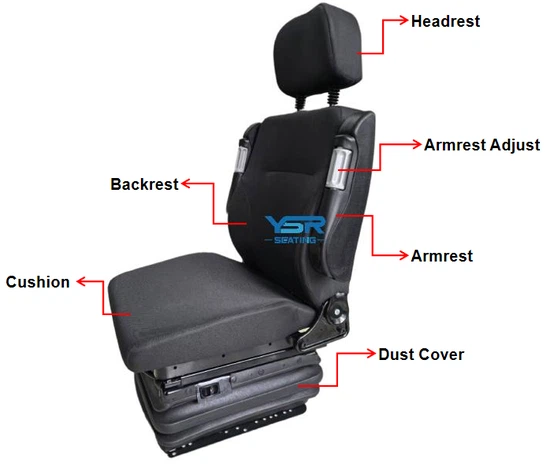
Focus on Crevices: Dirt, moisture, and debris accumulate in seams, around adjustment controls, along armrest bases, and in under-seat areas. Use a soft brush or cloth to clean these typically overlooked zones. For Customized Autofit Tractor Seat models with multiple adjustment points, ensure all mechanical interfaces remain free of buildup that could impair function.
Drying Thoroughly: After cleaning, wipe surfaces with a dry cloth and allow seats to air dry completely before covering or storing equipment. Preventing moisture buildup is essential to avoid mold growth, material deterioration, and unpleasant odors that can develop in agricultural seats.
Deep Cleaning Based on Upholstery Material
Different upholstery materials require specific cleaning approaches. Understanding your seat's construction ensures you use appropriate methods that clean effectively without causing damage.
Genuine Leather: For old farm machinery seats or premium models featuring genuine leather, use cleaners specifically formulated for leather. Apply leather conditioner after cleaning to maintain suppleness and prevent cracking. Avoid alcohol-based products, which dry out and damage leather over time. Work conditioner into the material using circular motions, then buff with a clean cloth.
Fiber Leather & Synthetic Materials: Many modern agricultural seats utilize high-quality synthetic materials that mimic leather's appearance while offering superior weather resistance. Clean these surfaces with gentle soap and water solutions. Always test any new cleaning product on a small, inconspicuous area first to ensure it doesn't cause discoloration or material degradation.
Fabric & Weaving Materials: Some agricultural machinery seats incorporate breathable fabric components. Use fabric-safe upholstery cleaners and a soft brush to work solutions into stains without excessive scrubbing that might fray fibers. Allow fabric sections to air dry completely-forced drying with heat can shrink or warp materials.
Spliced Materials: Many Autofit Tractor Seat manufacturers design seats combining multiple material types for optimal performance characteristics. When cleaning spliced-material seats, treat each section according to its specific material requirements, being careful not to allow cleaners appropriate for one material to contact incompatible sections.
Maintenance of Mechanical & Structural Parts
Beyond upholstery care, the mechanical and structural components of agricultural seats require regular attention to ensure safe, comfortable operation.
Suspension System: Many quality agricultural seats feature suspension systems-spring-based, mechanical, or air suspension-that absorb shock and vibration. For air suspension models, periodically check for leaks by listening for hissing sounds or feeling for air escape around connections. Lubricate mechanical suspension pivot points according to manufacturer specifications, typically using light machine oil or grease. This maintenance is particularly important for Autofit Tractor Seat for sale models featuring advanced suspension technologies.
Adjustment Mechanisms: Test all adjustment controls-seat height, backrest angle, weight adjustment, armrest position, and fore-aft slide-to ensure smooth operation. Tighten any loose bolts or fasteners that may have worked free due to vibration. If adjustments become stiff or difficult to operate, clean adjustment tracks and apply appropriate lubricant to moving parts.
|
|
|
|
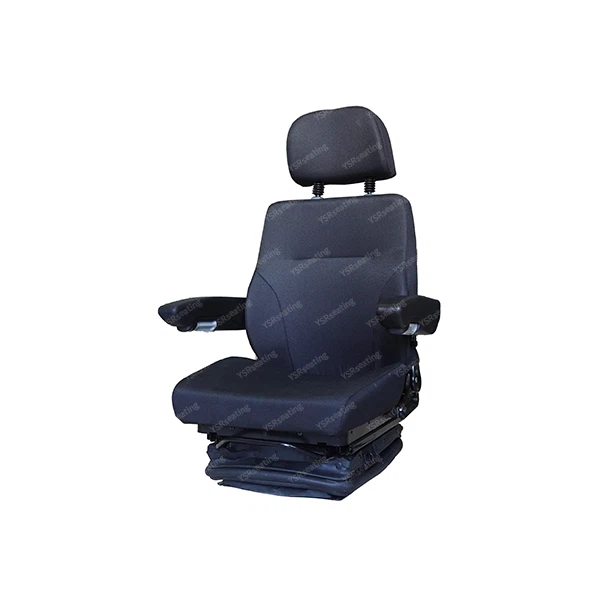
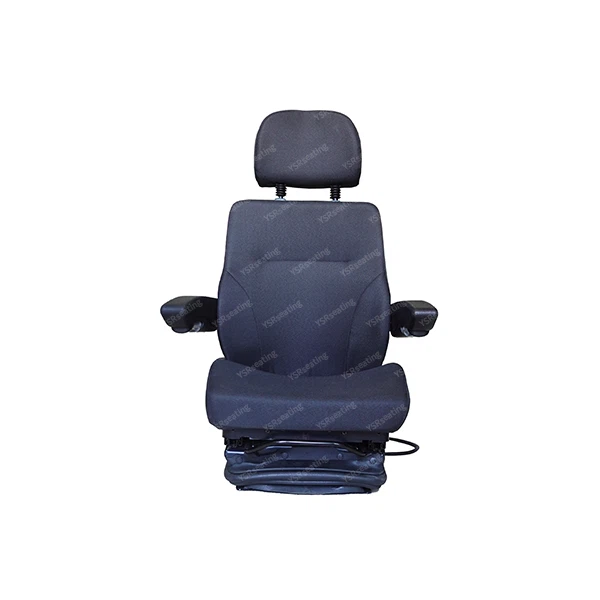
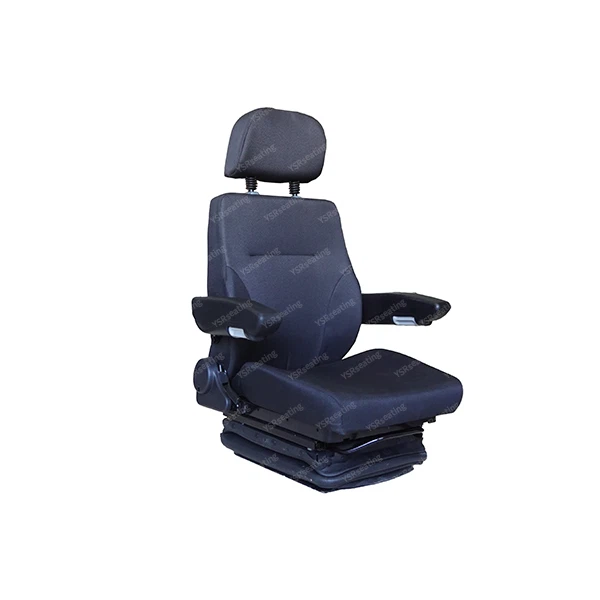
Frame & Mounting: Inspect the seat frame and mounting brackets for rust, cracks, stress fractures, or excessive wear. Agricultural environments expose metal components to moisture and chemicals that accelerate corrosion. Apply rust-preventive coatings or touch-up paint to any areas where protective finishes have worn through. Ensure all mounting bolts securing the seat to the machinery remain tight and properly torqued.
Safety Belts (if equipped): For agricultural machinery seats with integrated safety restraints, clean belt webbing with mild detergent and water, then allow to air dry completely. Test retraction mechanisms and buckle function regularly. Replace any belts showing fraying, cuts, or weakened areas-safety equipment must maintain full integrity.
Seasonal & Long-Term Care Tips
Strategic seasonal maintenance protects agricultural seats during periods of storage and prepares them for intensive use seasons.
Storage During Off-Season: When agricultural machinery will sit idle for extended periods, protect seats from environmental exposure. Use breathable seat covers to prevent UV damage and dust accumulation while allowing moisture to escape. If possible, store equipment in covered structures. For equipment that must remain outdoors, quality covers designed for agricultural seats provide essential protection.
Conditioning Materials: Before and after storage periods, apply UV protectant products to upholstery materials to prevent sun-induced cracking, fading, and brittleness. Leather and synthetic materials particularly benefit from conditioning that replenishes protective oils and creates barriers against environmental damage.
Periodic Inspection: Schedule thorough seat inspections at least quarterly, examining upholstery for tears or excessive wear, testing all adjustment mechanisms, checking mounting security, and assessing overall seat integrity. Early detection of developing problems allows for simple repairs before they become major issues requiring complete replacement.
Avoiding Common Damage: Prevent unnecessary wear by keeping sharp tools, chemicals, and abrasive materials away from seat surfaces. Avoid exposing seats to extreme temperatures when possible-excessive heat degrades materials while extreme cold can make some materials brittle and prone to cracking. When using pressure washers to clean machinery, shield seats from direct high-pressure spray that can force water into seams and damage upholstery.
Spotlight on Easy-Maintenance Design: YSR214-2P
The YSR214-2P exemplifies modern design principles that make Seats For Agricultural Machinery both durable and easy to maintain-a practical case study in low-maintenance agricultural seating.
This model features carefully selected materials engineered for agricultural environments. Stain-resistant upholstery options resist common agricultural contaminants, allowing spills and dirt to be wiped away easily rather than penetrating material fibers. The reinforced steel frame construction withstands the constant vibration and impact forces typical in field operations while resisting corrosion through protective coatings.
YSR's design philosophy prioritizes accessibility-adjustment mechanisms are positioned for easy cleaning, seams are sealed to prevent dirt infiltration, and material selections balance comfort with practical cleanability. The robust construction means fewer repairs and longer intervals between major maintenance procedures, reducing the total cost of ownership while keeping operators comfortable throughout demanding work cycles.
For operations considering new equipment or seat replacements, investing in well-designed agricultural machinery seats from reputable Autofit Tractor Seat manufacturers like YSR reduces long-term maintenance burden while ensuring consistent operator comfort.
When to Seek Professional Support or Replacement
Despite diligent maintenance, agricultural seats eventually require professional service or replacement. Recognizing these signs prevents compromised operator safety and comfort.
Consider professional evaluation when you notice persistent odors that cleaning cannot eliminate, which may indicate deep material contamination or mold growth in cushioning. Torn or extensively worn upholstery that exposes foam or structural components should be repaired or replaced promptly-exposed materials deteriorate rapidly and compromise comfort. Malfunctioning suspension systems that no longer absorb vibration properly contribute to operator fatigue and potential injury. Unstable frames, loose mounting, or structural damage represent safety hazards requiring immediate attention.
YSR Seating Factory provides comprehensive after-sales services, including access to replacement parts, expert maintenance advice, and warranty support for their agricultural seats. Working directly with manufacturers ensures you receive components specifically designed for your seat model and expert guidance on proper installation and adjustment.
Choosing quality seats from direct manufacturers offers significant advantages for long-term maintenance and service access. Manufacturers maintain detailed documentation, stock replacement parts, and employ personnel with intimate product knowledge-resources that simplify maintenance and extend equipment service life.
Conclusion
Regular maintenance and proper cleaning of Seats For Agricultural Machinery represents a small time investment that yields substantial returns in seat longevity, operator comfort, and overall productivity. By implementing daily cleaning routines, performing material-appropriate deep cleaning, maintaining mechanical components, and following seasonal care practices, you protect your investment while ensuring operators remain comfortable and productive throughout demanding agricultural seasons.
Remember that seat maintenance isn't merely about preserving equipment-it directly impacts operator well-being, work quality, and long-term health outcomes for those who spend countless hours operating agricultural machinery. Quality agricultural seats properly maintained can provide years of reliable service, making careful attention to cleaning and maintenance a wise investment in your operation's success.
Need maintenance advice or looking for durable, easy-to-clean seats?
Contact YSR Seating Factory today to explore our range of low-maintenance seating solutions or get expert tips on caring for your agricultural machinery seats.
Reach Out for Maintenance Support:
• Phone: +86-029-81136503
• Email: sales@ysrseats.com
• WhatsApp: +86-13991337062
• WeChat: 18992819914
Related Articles
What types of seats are available for agricultural machinery?
How do I choose the right seat for my tractor or combine harvester?
What is the difference between mechanical and air suspension agricultural seats?
What are the benefits of using a suspension seat in agricultural machinery?
Can a bad tractor seat cause back pain?
Do agricultural machinery seats improve operator comfort and reduce fatigue?
Are there ergonomic seats designed for agricultural use?
What does "universal" mean when a seat is labeled for agricultural use?
Can I customize my agricultural machinery seat?
How do I know if a replacement seat will fit my machine?
How do I install a new seat in my agricultural machine?
Where can I buy replacement seats for agricultural equipment?
Which tractor is better for agriculture?
What is the typical warranty period for tractor or agricultural equipment seats?
How do I maintain and clean agricultural machinery seats?
Why are farmers buying 40 year old tractors?
How long do tractor seats last and when should they be replaced?
Are heavy-duty seats worth the investment?