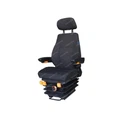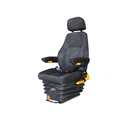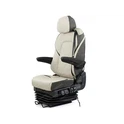


As somebody who invests a lot of energy in their vehicle, I comprehend the dissatisfaction of managing unattractive stains on auto seat. Stains can affect the overall appearance and hygiene of your car's interior, whether they are caused by a spilled drink, greasy food, or simply the accumulation of dirt and grime over time. In this article, I'll tell you the best way to clean stains from vehicle seats utilizing time tested procedures customized to various seat materials.

Identifying the Type of Stain for Effective Cleaning
The first step in tackling a stain on your auto seat is to identify its nature. Different types of stains require different cleaning approaches, and using the wrong method can potentially worsen the situation or cause permanent damage to the seat material. Here are some common stain types and their characteristics:
1. Food and Drink Stains: These include spills from beverages like coffee, soda, or juice, as well as greasy or oil-based food residues.
2. Ink and Dye Stains: Caused by pens, markers, or transfer from colored clothing or accessories.
3. Mud and Dirt Stains: Resulting from outdoor activities or general wear and tear.
4. Bodily Fluid Stains: Such as sweat, vomit, or pet accidents.
Once you've identified the type of stain, you can proceed with the appropriate cleaning method and solutions.
Safe and Effective Cleaning Methods for Different Seat Materials
Auto seat is typically made from one of three main materials: cloth, leather, or vinyl. Each material requires a slightly different approach to ensure effective stain removal without causing damage or discoloration.
Cloth Seats:
1. Blot the stain: Use a clean, absorbent cloth or paper towels to blot up as much of the spill as possible, avoiding rubbing or spreading the stain.
2. Treat with a mild detergent: Mix a few drops of mild dish soap or laundry detergent with warm water. Dip a clean cloth into the solution and gently dab at the stain, working from the outside in to prevent spreading.
3. Rinse and blot dry: Once the stain has lifted, rinse the area with clean water and blot dry with a clean towel or cloth.
4. Use a stain remover (if needed): For stubborn stains, consider using a commercial stain remover specifically formulated for auto upholstery. Always spot test in an inconspicuous area first.
Leather Seats:
1. Vacuum or brush away loose debris: Use a soft-bristled brush or vacuum attachment to remove any loose dirt or crumbs from the leather surface.
2. Apply a leather cleaner: Use a high-quality leather cleaner and a soft cloth to gently clean the affected area. Avoid using harsh chemicals or abrasives that can damage the leather.
3. Treat with a leather conditioner: After cleaning, apply a leather conditioner to help maintain the material's suppleness and protect against future staining.
Vinyl Seats:
1. Wipe down with a mild detergent: Mix a small amount of dish soap or laundry detergent with warm water. Use a clean cloth to wipe down the vinyl surface, taking care not to saturate the material.
2. Scrub with a soft-bristled brush (if needed): For stubborn stains, gently scrub the area with a soft-bristled brush dipped in the soap solution.
3. Rinse and dry: Rinse the area with clean water and dry thoroughly with a clean cloth or paper towels.
Regardless of the seat material, always test any cleaning solution in an inconspicuous area first to ensure it doesn't cause discoloration or damage. Additionally, be sure to follow the manufacturer's recommended cleaning instructions for your specific vehicle.
Preventive Measures to Keep Your Auto Seats Looking Fresh
The inside of your vehicle is an impression of your own style and tender loving care. The seats in your car are among the various interior components that are most susceptible to wear and tear because they are used frequently. To keep your auto seat looking new and all around kept up with, it is vital for execute preventive estimates that can assist with protecting their appearance and usefulness over the long haul. Here are a few vital hints to guarantee your auto seats stay in top condition.
Customary Cleaning Schedule:
To keep your car seats fresh, you need to set up a routine for cleaning them on a regular basis. Vacuuming the seats something like once seven days can successfully eliminate soil, residue, and garbage that aggregate from everyday use. Additionally, utilizing a soft brush attachment can assist in the removal of embedded particles from the seats' fabric or crevices. For calfskin seats, cleaning them down with a soggy fabric can assist with forestalling the development of soil and keep up with their shine.
Use Seat Covers:
The life of your car seats can be significantly extended by purchasing high-quality seat covers. Seat covers go about as a defensive obstruction against spills, stains, and general mileage. They are available in a variety of materials, including neoprene, leather, and fabric, giving your car's interior protection and a personal touch. By routinely washing or supplanting seat covers, you can keep your auto seat looking new and new for a lengthy period.
Try not to Eat and Drinking Inside the Vehicle:
Spills of food and drink are a leading cause of seat damage. It's best not to eat or drink in the car in order to keep stains and smells from getting into the seats. Utilizing spill-proof containers and mats can help keep accidents to a minimum if necessary. Immediately tending to any spills and completely cleaning the impacted region can forestall enduring harm to the seats.
Use Defensive Coatings:
For cowhide or texture seats, applying defensive coatings can give an extra layer of guard against spills and UV harm. Fabric guard products form a barrier that keeps liquids from seeping into the seat material and repels them. Essentially, calfskin protectants assist with keeping up with the gracefulness and shade of cowhide seats while defending them from drying out or breaking because of sun openness.
Ordinary Molding and Support:
Cowhide seats require intermittent molding to hold their delicateness and forestall breaking. Utilizing a quality cowhide conditioner can feed the material and safeguard it from becoming weak over the long run. For texture seats, using upholstery cleaners and stain removers intended for car use can assist with keeping up with their appearance and eliminate difficult stains.
Make use of sunscreen:
Delayed openness to daylight can cause blurring, staining, and weakening of auto seat. Leave your vehicle in concealed regions whenever the situation allows or use window shades to impede UV beams. This straightforward yet powerful measure can fundamentally decrease the effect of sun harm on your seats, safeguarding their appearance and underlying trustworthiness.
To learn more about YSR seats, please contact us at sales@ysrseats.com.
References:
1. "How to Clean Car Seats: A Complete Guide" by Armor All
2. "The Best Way to Clean Car Upholstery" by Consumer Reports
3. "Cleaning and Protecting Leather Car Seats" by Chemical Guys
4. "Car Upholstery Cleaning Tips" by The Spruce
5. "Auto Detailing: Removing Tough Stains from Car Seats" by DetailXPerts