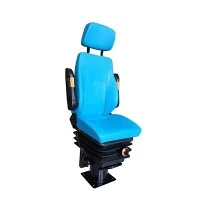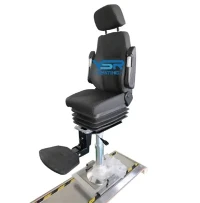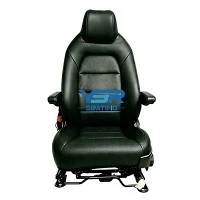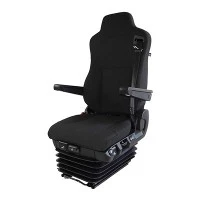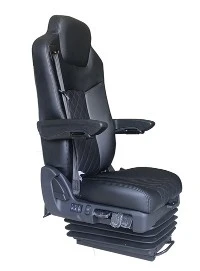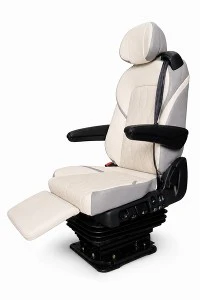


Because I've driven a lot, I've learned how important it is to have a car seat that fits right and is comfortable. Numerous drivers frequently keep thinking about whether there are normalized sizes for Auto Seat across various vehicle models and brands.
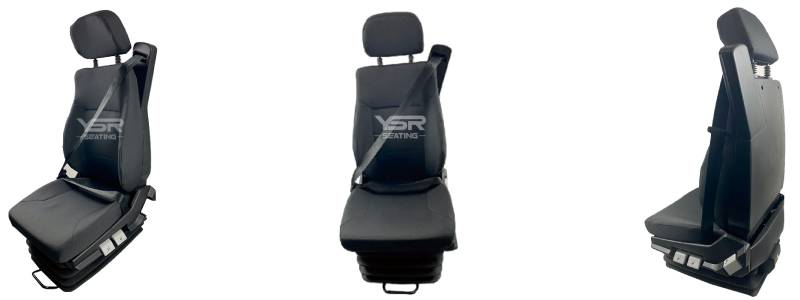
We'll look at things like seat width, depth, height, and contours to see if there's any semblance of uniformity in how manufacturers size their products. Furthermore, we'll look at any recognizable patterns or abberations in seat aspects among various vehicle classes, traversing from minimized cars to open SUVs.
At last, the objective is to work with a superior comprehension of auto seat aspects and their job in molding the driving experience for people across different auto scenes.
Auto Seat Dimensions and Variations
Auto seat come in various sizes and dimensions to accommodate different body types and preferences. While there are general guidelines and industry standards, the exact measurements can vary significantly between vehicle models, makes, and even trim levels within the same brand.
Some of the key dimensions that define an Auto Seat include:
1. Seat Width: This refers to the overall width of the seat cushion, typically measured from side bolster to side bolster. Wider seats may provide more comfort for larger individuals, while narrower seats can offer a more supportive and snug fit.
2. Seat Depth: The depth of the seat cushion, measured from the front edge to the back of the seat, plays a crucial role in thigh support and overall comfort, especially for taller individuals.
3. Seat Height: This measurement refers to the distance between the seat cushion and the floor. Adjustable seat heights allow drivers to find the optimal position for visibility, reach, and comfort.
4. Backrest Height: The height of the backrest can significantly impact lumbar support and overall posture. Taller backrests provide better head and neck support, while shorter designs may be more suitable for smaller individuals.
5. Seat Tilt and Recline: Many auto seats offer tilt and recline adjustments to improve comfort and support for different driving positions and body types.
While these dimensions provide a fundamental understanding of auto seat sizes, it's crucial to note that actual measurements can greatly differ between different vehicle makes, models, and classes. Factors such as design preferences, intended use, and technological features may also impact seat dimensions. Therefore, for precise fitting and comfort, it's advisable to consult specific vehicle specifications or physically assess the seats in question, especially when considering aftermarket modifications or replacements.
Factors Influencing Seat Size Standardization
Several factors contribute to the lack of complete standardization in Auto Seat sizes, including:
1. Vehicle Class and Purpose: Seats in compact cars, sedans, SUVs, and trucks are designed to cater to different target audiences and driving needs. As a result, seat dimensions can vary significantly to accommodate these diverse requirements.
2. Driver and Passenger Preferences: Automakers often design seats with specific user groups in mind, considering factors like average body types, regional preferences, and driving habits. This tailored approach can lead to variations in seat sizes across different markets and vehicle segments.
3. Safety Regulations and Ergonomics: Seat dimensions are influenced by safety regulations and ergonomic considerations aimed at reducing fatigue, improving visibility, and ensuring proper positioning for airbag deployment in case of a collision.
4. Design and Packaging Constraints: The overall vehicle design, interior packaging, and available space can limit the size and adjustability options for auto seat, particularly in smaller or more compact vehicles.
While there are industry guidelines and recommendations from organizations like the Society of Automotive Engineers (SAE) and the International Organization for Standardization (ISO), automakers often deviate from these standards to achieve specific design goals or cater to specific target markets.
Choosing the Right Seat for Your Comfort and Safety
Given the variations in Auto Seat sizes, it's essential to prioritize comfort and safety when selecting a vehicle or considering aftermarket seat options. Here are some tips to help you find the right seat:
1. Test Drive and Adjustment: When shopping for a new vehicle, be sure to test drive different models and thoroughly adjust the seats to find the most comfortable and supportive position for your body type.
2. Consider Customization Options: Some automakers offer optional seat packages or customizable seat configurations, allowing you to tailor the dimensions and features to your specific needs.
3. Aftermarket Seat Solutions: If the stock seats in your vehicle are uncomfortable or ill-fitting, explore aftermarket seat options from reputable manufacturers. These can often be customized to your preferred dimensions and provide additional support and adjustability.
4. Seek Professional Advice: If you have specific ergonomic or medical needs, consult with a certified ergonomist or occupational therapist to ensure your auto seat provides the necessary support and promotes proper posture and alignment.
Remember that a fittingly measured and ergonomically planned Auto Seat can significantly upgrade your driving solace, lessen exhaustion, and reinforce in general security while exploring streets. These seats reduce the likelihood of discomfort or distraction by providing adequate support and encouraging upright posture. As a result, they encourage concentration and attentiveness behind the wheel. Guaranteeing a cozy fit custom-made to your body can upgrade vehicle control and add to a more pleasant and secure driving excursion.
To learn more about YSR seats, please contact us at sales@ysrseats.com.
References
1. "Automotive Seat Design and Sizing" by the Society of Automotive Engineers (SAE)
2. "Vehicle Seat Design Principles" by the National Highway Traffic Safety Administration (NHTSA)
3. "Ergonomic Considerations for Automotive Seating" by the International Organization for Standardization (ISO)
4. "Auto Seat Dimensions: A Comprehensive Guide" by Car and Driver Magazine
5. "Choosing the Right Auto Seat for Your Body Type" by Edmunds.com