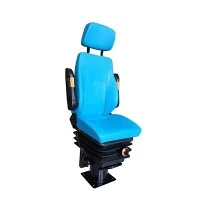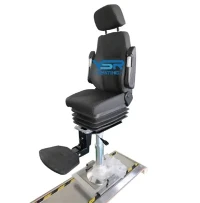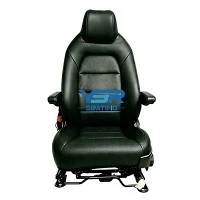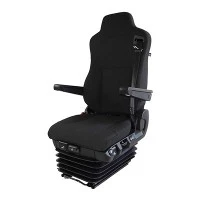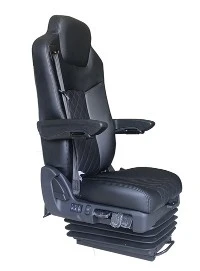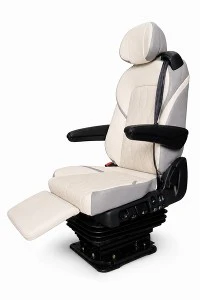


Crane operators frequently work extended periods of time in testing conditions, which makes their seating an essential part of their safety and comfort. The crane mechanical suspension seat assumes an imperative part in decreasing vibrations and shocks, upgrading the administrator's comfort and performance. Testing these seats guarantees they satisfy the important guidelines for security and usefulness.

Enhancing Operator Comfort and Health
A well-designed suspension seat can essentially decrease the actual burden on an administrator.Long-term vibration exposure can cause back pain, joint problems, and general discomfort. Testing guarantees the seat offers sufficient help and padding.
From my experience, a seat that ingests stuns and lessens vibrations can forestall numerous medical problems. Legitimate testing can recognize whether the seat's suspension system actually mitigates these elements, guaranteeing the administrator stays comfortable and healthy.
Ensuring Safety and Compliance
When operating a crane, safety comes first. A flawed seat can prompt administrator exhaustion and diminished center, expanding the gamble of mishaps. Testing mechanical suspension seats guarantees they fulfill industry security guidelines and guidelines.
I've perceived how thorough testing can feature potential security risks before they become genuine issues. Guaranteeing that seats are entirely tried implies administrators can believe their hardware, diminishing the probability of mishaps brought about by gear failure.
Key Components of a Suspension Seat Test Procedure
Testing a crane's mechanical suspension seat includes a few basic parts. These tests guarantee that the seat satisfies the expected guidelines for solace, safety, and solidness. Here is an itemized check out at the critical parts of a thorough test technique.
Vibration and Shock Absorption Testing
One of the essential elements of a crane mechanical suspension seat is to ingest vibrations and shocks.This testing component evaluates how well the seat can dampen vibrations from the crane's movements and external factors.
Vibration Frequency Testing: This test estimates the seat's capacity to deal with various frequencies of vibrations that an administrator could insight during crane operations.High-recurrence vibrations can cause discomfort and long haul medical problems.
Shock Absorption Test: This includes mimicking abrupt effects or shocks to perceive how really the seat can pad these shocks. It's significant for keeping injuries from unexpected movements.
Durability and Load Testing
Seats in cranes should endure steady use and huge load over extensive stretches. Strength and load testing guarantee the seat materials and systems can deal with these requests without failure.
Static Load Testing: To determine the seat's structural integrity, a constant load is applied during this test. It guarantees the seat can uphold the administrator's weight without deformation or damage.
Dynamic Load Testing: This includes applying fluctuating burdens to copy the genuine movements and stresses the seat will confront. It's significant for surveying the seat's drawn out strength.
Ergonomic Assessment
The seat's plan should advance great stance and decrease stress on the administrator's body. The shape, adjustability, and cushioning of the seat are evaluated in an ergonomic assessment.
Posture Support Evaluation: This test looks at how well the seat upholds the administrator's regular stance, especially zeroing in on lumbar help and seat shapes.
Adjustability Check: Ensuring that the crane mechanical suspension seat's adjustability features, such as lumbar support, tilt, and height, work properly and offer enough range to accommodate various operators.
Material and Construction Quality
The nature of materials and construction influences the seat's presentation and life expectancy. This part tests the materials for strength, wear opposition, and generally speaking quality.
Material Strength Test: This includes testing the rigidity and wear obstruction of the seat's materials, including the fabric, foam, and mechanical parts.
Build Quality Inspection: An intensive examination of the seat's development guarantees there are no flimsy spots, unfortunate sewing, or unsatisfactory parts that could compromise safety and comfort.
Analyzing and Interpreting Test Results
After conducting the tests, the next step is to analyze and interpret the results.
This process decides if the seat satisfies the important standards and what upgrades, if any, are required.
Reviewing Vibration and Shock Data
Analyze the information gathered during the vibration and shock absorption tests. Search for:
Performance in Dampening Vibrations: Determine how well the seat dampened various vibration frequencies. Make sure it meets the safety and comfort requirements for operators.
Shock Absorption Effectiveness: Survey the seat's exhibition in padding shocks. To prevent operator injuries, check that the forces transferred to the seat are within acceptable limits.
Assessing Durability and Load Test Outcomes
Audit the results of the static and dynamic burden tests to decide the crane mechanical suspension seat's durability.
Integrity of the Structure: Guarantee the seat kept up with its primary integrity under steady and changing burdens. Search for any indications of deformation or damage.
Long-Term Performance: Evaluate how well the seat dealt with dynamic burdens over the long term. Guarantee it can endure the burdens of genuine crane activities without critical wear.
Evaluating Ergonomic and Material Quality
Break down the ergonomic appraisal and material quality experimental outcomes.
Posture and Comfort: Guarantee the seat offers satisfactory help for good posture and comfort. Adjustability elements ought to work without a hitch and give a large number of settings.
Material Durability: Make sure that the materials utilized in the seat are tough and can endure long term use. Ensure the construction quality is high, with no weak points that could compromise safety or comfort.
Making Recommendations
In view of the experimental outcomes, make proposals for enhancements if essential. This could include:
Design Adjustments: Recommend changes to the seat design to improve comfort, support, or durability.
Material Upgrades: Suggest more excellent materials in the event that the ongoing ones don't satisfy the expected guidelines.
Feature Enhancements: Propose extra elements or changes in accordance with existing ones to work on the general performance of the seat.
Testing the crane mechanical suspension seat is fundamental for guaranteeing administrator comfort, safety, and efficiency. We are able to guarantee that the seats meet the necessary standards and provide crane operators with the best possible experience by comprehending the significance of these tests and following a methodical procedure.
To learn more about YSR seats, please contact us at sales@ysrseats.com.
References:
1. Crane Operator's Manual on Seat Testing;
2. Mechanical Suspension Seats: Standards and Testing;
3. Occupational Health and Safety in Crane;