

In the steadily developing universe of business vehicles, the driver's seat assumes an urgent part in guaranteeing solace, well-being, and efficiency. After some time, notwithstanding, even the most very much planned seats can surrender to the afflictions of day-to-day use, inciting the requirement for a substitution. When confronted with the present circumstance, van proprietors and administrators frequently wind up wrestling with a critical inquiry: Are all van driver seats viable? The answer, as it turns out, is far from straightforward, and digging into the complexities of seat compatibility uncovers variables that should be painstakingly thought of.

Factors Affecting Compatibility:
The compatibility of a van driver seat is influenced by a multitude of factors, each with its own nuances and implications. One of the most significant determinants is the make and model of the vehicle. Seats designed for different van manufacturers, such as Ford, Chevrolet, Mercedes, or Nissan, are typically not interchangeable due to variations in floor pan design, mounting points, and electrical connections for seat adjustments. Even within the same make and model, compatibility can change between different model years as manufacturers introduce design revisions and updates.
Another crucial factor is the feature set of the seat itself. Seats equipped with additional features like power adjustments, lumbar support, or integrated airbags may have unique wiring and mounting requirements that further limit compatibility across different van models or even within the same model range. These specialized features often necessitate precise alignment with the vehicle's electrical and safety systems, making universal compatibility a challenging prospect.
Compatibility Scenarios:
Given the complexities involved, it is essential to approach van driver seat compatibility with a nuanced understanding of the various scenarios that may arise. In some cases, a direct replacement with an identical seat from the same manufacturer and model year may be possible, ensuring a seamless fit and functionality. However, even in this scenario, it is crucial to verify compatibility through official channels, as minor design changes or revisions can sometimes render seats incompatible between different production runs.
In other instances, compatibility may be limited to seats designed specifically for a particular van model or model range, even if they are from the same manufacturer. This is often the case when significant design changes are introduced, rendering seats from previous generations incompatible. Additionally, seats from aftermarket or third-party suppliers may claim compatibility, but it is essential to carefully evaluate their claims and conduct thorough research to ensure a proper fit and integration with the vehicle's systems.
Considering Alternatives:
If a direct replacement is not feasible due to compatibility issues, there are alternative solutions worth exploring. One option is to consider repairing the existing seat, such as reupholstering or replacing worn-out components like the foam cushions or mechanisms. This approach can be cost-effective and may extend the life of the original seat, provided the underlying structure and safety features remain intact.
Another alternative is to explore the use of seat covers or seat cushions, which can improve the comfort and aesthetics of the existing seat without requiring a full replacement. While these solutions may not address all concerns, they can provide a temporary or cost-effective solution until a compatible replacement seat becomes available.
Choose YSR Driver Seat
In the intricate world of driver seats, compatibility is a multifaceted challenge that demands careful consideration of various factors, including make and model, year, and feature sets. While direct replacements from the same manufacturer and model year may offer the most straightforward compatibility, even these scenarios require thorough verification to ensure a proper fit and integration with the vehicle's systems.
When exploring replacement options, it is imperative to consult official vehicle manuals, dealerships, or reputable aftermarket parts suppliers to determine compatibility before making a purchase. Additionally, seeking expert guidance from experienced professionals in the van industry can provide valuable insights and recommendations tailored to specific vehicle models and requirements.
Ultimately, finding a compatible van driver seat is not merely a matter of comfort but also a critical aspect of ensuring safety and proper functionality within the vehicle. By understanding the complexities of seat compatibility and exploring all available options, van owners and operators can make informed decisions that prioritize their well-being, productivity, and the longevity of their commercial vehicles.
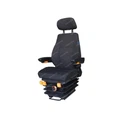
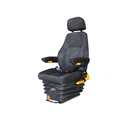
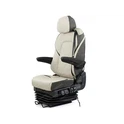
Van driver seat YSR3000M is designed to simulate the ergonomic principle, Please contact us at sales@ysrseats.com to learn more.
References:
1. Park, J., & Jung, E. S. (2018). Effects of adjustable seat pan depth on driver's postural behaviors and discomfort. Applied Ergonomics, 71, 32-41.
2. Hiemstra-van Mastrigt, S., Grooten, W. J. A., Vink, P., & van Veen, S. A. T. (2017). The influence of vehicle seats on obese drivers' preferred driver packaging layout, balance, and reach study: Drivers with a body mass index of 30kg/m2. Applied Ergonomics, 59, 653-661.
3. Chaffin, D. B., Andersson, G. B., & Martin, B. J. (2006). Occupational biomechanics. John Wiley & Sons.
4. Andreoni, G., Rabuffetti, M., & Santambrogio, G. C. (2002). Method for the analysis of posture and interface pressure of car drivers. Applied Ergonomics, 33(6), 511-522.