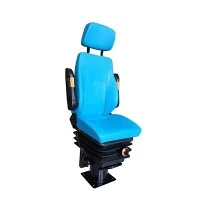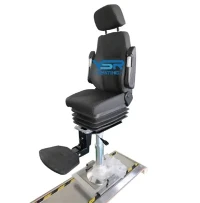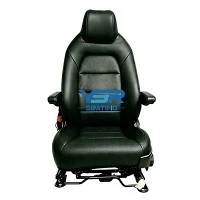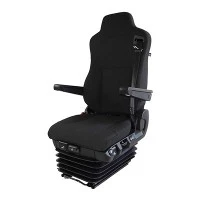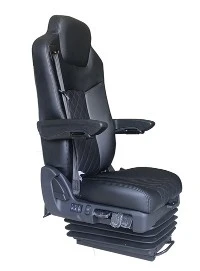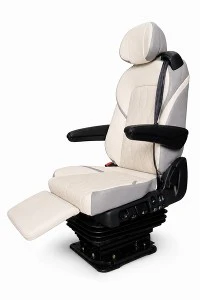


In business vehicles, the driver's seat is a point of convergence of both usefulness and solace. Among the plan components that have gotten some traction as of late is the utilization of splicing fabric, an essential mix of materials that offers a special mix of strength, breathability, and stylish allure. As van makers and post-retail providers keep on focusing on tenant prosperity and vehicle life span, the reception of splicing fabric in van driver seats has become progressively predominant, arousing the interest of industry experts and vehicle proprietors the same.
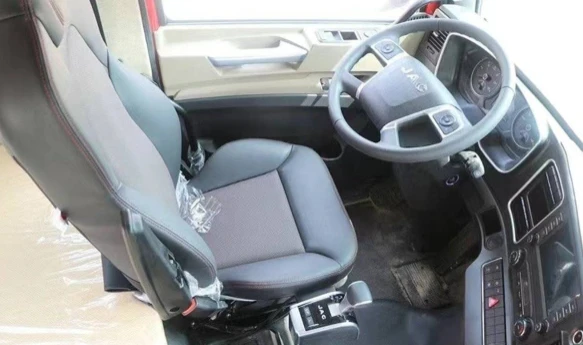
Functionality of Splicing Fabric:
At its core, the functionality of splicing fabric in van driver seats lies in its ability to address the diverse demands of the driving environment. By strategically combining different materials, manufacturers can optimize the seat's performance and longevity while ensuring optimal comfort for the driver.
Durability and Wear Resistance: One of the primary advantages of splicing fabric is its capacity to enhance the seat's durability and resistance to wear and tear. In areas prone to high levels of friction and stress, such as the seat base and bolsters, splicing often incorporates sections of high-durability materials like leather, vinyl, or heavy-duty synthetic fabrics. These materials are engineered to withstand the rigors of daily use, extending the lifespan of the seat and minimizing the need for frequent replacements.
Comfort and Breathability: While durability is crucial, driver comfort cannot be overlooked, especially during long journeys. Splicing fabric allows for the integration of breathable materials like mesh or perforated fabrics in specific areas, such as the seat back or cushion. These breathable sections promote air circulation and help regulate temperature, reducing the buildup of moisture and discomfort that can arise from prolonged periods of sitting.
Aesthetics and Customization: Beyond functionality, splicing fabric offers a unique opportunity for aesthetic customization. By combining materials with different textures, colors, and patterns, manufacturers can create visually appealing designs that cater to specific van owner preferences or fleet branding needs. This versatility allows for a more personalized touch, elevating the overall interior ambiance and creating a distinctive driving experience.
Types of Splicing Fabrics:
The splicing fabric used in van driver seats comprises a diverse range of materials, each serving a specific purpose and contributing to the overall performance and appeal of the seat.
High-wear fabrics: In areas subjected to high levels of friction and stress, materials such as leather, vinyl, or heavy-duty synthetic fabrics are often employed. These materials offer exceptional durability and resistance to wear and tear, ensuring long-lasting performance and minimizing the need for frequent replacements.
Breathable fabrics: To promote comfort and air circulation, breathable materials like mesh or perforated fabrics are strategically incorporated into specific areas of the seat. These materials allow for improved ventilation, reducing moisture buildup and enhancing overall comfort during extended driving periods.
Aesthetics & Comfort Fabrics: To strike a balance between visual appeal and comfort, cloth or synthetic blends are often utilized in splicing fabric. These materials not only provide a visually appealing aesthetic but also offer a soft and comfortable surface for the driver, contributing to an enjoyable and ergonomic driving experience.
Benefits of Splicing Fabric:
The adoption of splicing fabric in van driver seats offers a multitude of benefits that cater to the diverse needs of commercial vehicle operators and fleet managers.
Increased durability and lifespan of the seat: By strategically incorporating high-wear materials in critical areas, splicing fabric significantly enhances the overall durability and longevity of the driver's seat. This translates into reduced maintenance costs and fewer seat replacements over the vehicle's lifespan.
Enhanced comfort and driver well-being on long journeys: The integration of breathable fabrics and strategically placed cushioning ensures that drivers remain comfortable and focused, even during extended periods on the road. This not only contributes to overall driver well-being but also promotes safer driving practices by reducing fatigue and discomfort-related distractions.
Potential for a more customized and visually appealing design: The ability to combine various materials, textures, and colors allows for a more personalized and visually appealing design. This can cater to specific preferences or fleet branding needs, creating a distinctive interior ambiance and enhancing the overall driving experience.
Choose YSR Driver Seat:
In commercial vehicle interiors, the adoption of splicing fabric in driver seats has emerged as a practical and versatile solution that addresses a multitude of functional and aesthetic requirements. By combining materials with varying characteristics, manufacturers can strike a balance between durability, comfort, and visual appeal, creating a driving environment that prioritizes both occupant well-being and vehicle longevity.
While the use of splicing fabric offers numerous benefits, it is important to consider potential challenges such as seam durability and cleaning requirements, as the combination of different materials may require specific maintenance protocols. However, when implemented correctly, splicing fabric provides a compelling solution for van driver seats, offering a harmonious blend of functionality, comfort, and customization.
As the commercial vehicle industry continues to evolve, the adoption of innovative material solutions like splicing fabric represents a commitment to prioritizing driver satisfaction, safety, and overall vehicle performance. By embracing these advancements, manufacturers and fleet operators alike can elevate the driving experience, foster a more productive and comfortable environment for their operators, and ultimately contribute to the longevity and success of their commercial enterprises.
Van driver seat YSR3000M adopts splicing fabric, Please contact us at sales@ysrseats.com to learn more.
References:
1. Ebe, K., & Griffin, M. J. (2001). Factors affecting static seat cushion comfort. Ergonomics, 44(10), 901-921.
2. Kyaw, E. P., & Nai, E. E. K. (2015). Ergonomics intervention for commercial vehicle drivers. International Journal of Occupational Safety and Ergonomics, 21(4), 493-503.
3. Park, J., & Jung, E. S. (2018). Effects of adjustable seat pan depth on driver's postural behaviors and discomfort. Applied Ergonomics, 71, 32-41.
4. Hiemstra-van Mastrigt, S., Grooten, W. J. A., Vink, P., & van Veen, S. A. T. (2017). The influence of vehicle seats on obese drivers' preferred driver packaging layout, balance, and reach study: Drivers with a body mass index of 30kg/m2. Applied Ergonomics, 59, 653-661.