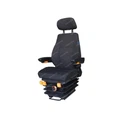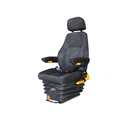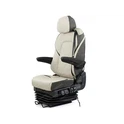


In the steadily advancing scene of business vehicles, driver solace, and ergonomics have arisen as foremost contemplations. A well-designed and adjustable driver seat plays a pivotal role in ensuring safe and efficient operations, mitigating the risks associated with prolonged driving, and enhancing overall productivity. YSR's article aims to delve into the multifaceted adjustable features of modern driver seats, exploring their benefits and practical applications.
Pneumatic truck seat
Pneumatic truck seats have become an industry-standard in the commercial vehicle sector, offering unparalleled comfort and support. These seats leverage the power of air suspension systems, providing superior cushioning and shock absorption compared to their traditional mechanical counterparts. The pneumatic system allows for precise adjustment of the seat's firmness or softness, catering to individual preferences and body types. Drivers can easily calibrate the pneumatic stress to their ideal level, diminishing weakness and minimizing the risk of back agony or distress during broadened driving sessions.
Adjustable height
One of the most fundamental and indispensable adjustments in an adjustable driver seat is the ability to modify its height. This feature is crucial for accommodating drivers of varying statures, ensuring that their eyes are level with the road and their legs are positioned comfortably for optimal control of the pedals. Appropriate seat level change further develops visibility as well as lessens the burden on the neck, shoulders, and lower back, advancing legitimate stance and minimizing the gamble of outer muscle problems.
Seat Back Adjustment
The ability to recline or adjust the angle of the seat back is a crucial feature that contributes significantly to overall comfort and support. This adjustment allows drivers to find the most ergonomically sound position for their upper body, reducing the risk of back pain and promoting proper spinal alignment. Failure to maintain a healthy posture during extended periods of driving can lead to a host of musculoskeletal issues, including chronic back pain, neck strain, and muscle fatigue.
Proper adjustment of the seat back angle and lumbar support not only helps maintain a healthy posture and reduce fatigue during extended driving sessions but also promotes improved blood circulation and prevents potential issues such as muscle stiffness and nerve compression. By accommodating the natural curvature of the spine and providing optimal support, these adjustments can significantly enhance driver comfort and well-being, ultimately contributing to safer and more efficient operations.
Shock absorber adjustment
Driving on rough terrain or uneven roads can subject the driver to jarring impacts and vibrations, leading to discomfort, fatigue, and potential long-term health consequences. Whole-body vibration (WBV) exposure is a significant occupational hazard for professional drivers, particularly those operating in off-road or construction environments. Prolonged exposure to WBV can result in a range of adverse health effects, including lower back pain, spinal disorders, musculoskeletal injuries, and even cardiovascular and neurological issues.
Adjustable shock absorbers in the seat can help mitigate these effects by allowing drivers to customize the level of damping and shock absorption. This feature is particularly beneficial for drivers operating in off-road or construction environments, where the terrain can be challenging and unpredictable. By fine-tuning the shock absorbers, drivers can effectively reduce the transmission of vibrations and impacts to their bodies, promoting a smoother and more comfortable ride.

The ability to adjust the shock absorbers enables drivers to adapt to varying road conditions and vehicle loads, ensuring optimal suspension performance and ride quality. For instance, when carrying heavier loads or traversing particularly rough terrain, drivers can increase the damping to counteract the additional forces and maintain a stable, controlled ride. Conversely, in smoother conditions, the damping can be reduced to provide a more compliant and comfortable ride.
Moreover, adjustable shock absorbers can play a crucial role in mitigating the risk of lower back injuries, which are among the most common occupational health issues faced by professional drivers. By effectively dampening vibrations and impacts, these adjustable systems help minimize the compressive and shear forces acting on the spine, reducing the likelihood of disc herniation, spinal compression, and other related injuries.
In addition to the health benefits, adjustable shock absorbers can contribute to improved vehicle control and stability, enhancing safety on the road. By minimizing the transmission of vibrations and impacts to the driver's seat, these systems can help maintain a stable driving position and reduce the risk of losing control due to sudden jolts or unexpected movements.
Quick release adjustment
In addition to the ergonomic adjustments, many adjustable driver seats also feature quick-release mechanisms, enhancing convenience and accessibility. These mechanisms allow for easy entry and exit from the vehicle, especially in tight spaces or when frequent ingress and egress are required. Quick-release adjustments can include sliding seat rails, tilt mechanisms, or even swiveling seat bases, providing added convenience and improved accessibility for drivers. This feature is particularly advantageous in urban delivery or construction environments, where drivers may need to frequently enter and exit the vehicle, minimizing the risk of strain or injury associated with awkward movements.

Choose YSR Driver Seat
The adjustable driver seat is a multifaceted and indispensable component in commercial vehicles, offering a range of customizable features to ensure optimal driver comfort, safety, and productivity. From pneumatic air suspension systems to adjustable heights, reclining seat backs, shock absorber tuning, and quick release mechanisms, these seats cater to the diverse needs and preferences of drivers operating in various environments. By investing in adjustable driver seats, fleet operators and vehicle manufacturers can contribute to improved driver well-being, reduced fatigue, and enhanced overall performance on the road, ultimately fostering a safer and more efficient transportation ecosystem.
In today's competitive and demanding commercial vehicle industry, the importance of ergonomic design and driver comfort cannot be overstated. Please contact us at sales@ysrseats.com to learn more.
References:
1. Sabol, J., & Galia, T. (2020). Ergonomic Considerations in Commercial Vehicle Cabin Design. Transportation Research Procedia, 51, 92-99.
2. Grandjean, E., & Kroemer, K. H. (1997). Fitting the task to the human: A textbook of occupational ergonomics. CRC press.
3. Suzuki, H., & Uchiyama, S. (2018). Seat Design for Commercial Vehicles: Balancing Comfort and Safety. SAE International Journal of Commercial Vehicles, 11(1), 29-37.