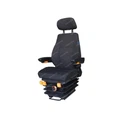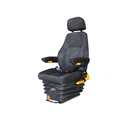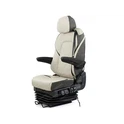


Train Seats usually have built-in shock absorption mechanisms to absorb and disperse vibrations and impacts, providing passengers with a comfortable and safe riding experience. These mechanisms typically adopt principles such as spring systems, hydraulic systems, pneumatic systems, or a combination of these technologies.

The railway locomotive driver's seat has been specially designed to meet the unique requirements of the electric locomotive cab, including features like shock absorption systems, lumbar support, wide fields of view, integrated control devices and communication systems, and compliance with safety standards.
Train Seats usually have adjustable parameters, allowing passengers to customize the seats according to their preferences and needs for the most comfortable riding experience. These adjustable parameters include:
Seat Height: The seat height can be adjusted to ensure that passengers find the most comfortable seat. They suit their leg length and body posture. Proper seat height ensures proper positioning. The feet are flat on the floor and the thighs are supported without excessive weight. This adjustment helps maintain good posture. Reduce discomfort during extended periods of sitting.
Backrest Height: The backrest can be adjusted to find the most comfortable and supportive environment. Backrest angle for passengers. This feature is crucial for maintaining proper behavior. Improving spinal alignment and reducing back strain. Adjusting the backrest angle. Passengers can achieve a reclined position that evenly distributes their weight. And minimizes pressure points.
Adjustable seat height is a crucial feature. This allows passengers to personalize their seating experience based on their preferences. body measurements. Adjusting the seat height helps maintain a neutral posture. The knees and hips are approximately 90-degree angles. This position Maintains proper balance and reduces the risk of muscle strain. Circulatory issues may arise from having dangling legs or excessive pressure on the thighs.
Additionally, an ideal Train Seat height. Ensures that passengers' feet are securely planted on the floor or footrest. Providing a stable base and reducing the risk of slips or discomfort. This feature is particularly important for individuals with varying leg lengths. those who may need additional support during long journeys.
Adjustable backrest inclination is another essential feature that contributes to passenger comfort and spinal health. By allowing passengers to recline the backrest at an angle that suits their Preference, the pressure on the lower back is alleviated, and proper spinal curvature is maintained. This adjustment can be particularly beneficial for individuals with existing back issues or those prone to discomfort during prolonged sitting.
When the backrest is reclined, appropriate angle, the weight of the upper body is distributed more evenly across the seat and backrest, reducing the pressure on specific areas. This even weight distribution minimizes the risk of pressure.Points that may lead to numbness, tingling, or discomfort.
Additionally, proper backrest inclination is necessary. Improving posture can be achieved by aligning the spine and promoting a more relaxed yet supported, seating position. This can help reduce muscle strain and fatigue. Especially in the neck and shoulder regions, which are frequently affected. prolonged upright sitting.
BothTrain Seat height and backrest angle. Adjustments work together to create a personalized seating experience. Our priority is to provide passengers with comfort, posture, and overall well-being. their journey. These features are particularly valuable for traveling longdistances. Travel, where extended periods of sitting can lead to discomfort and potential discomfort. Health issues arise if proper ergonomic support is not provided.
Headrest Height and Angle: The headrest height and angle can be adjusted to provide support and comfort for passengers' heads and necks. Proper headrest positioning helps reduce the risk of neck strain and whiplash injuries in the event of sudden stops or collisions. Adjustable headrests allow passengers to find the optimal position that aligns with their individual neck and head shape.
Lumbar Support: Adjustable lumbar support provides additional support for passengers' lower back regions, reducing fatigue and discomfort. This feature is particularly important for long journeys, as it helps maintain proper spinal curvature and alleviates pressure on the lumbar vertebrae.
Armrest Height and Width: The armrest height and width can be adjusted to allow passengers to find the most comfortable arm support position. Properly positioned armrests reduce strain on the shoulders and upper back, promoting relaxation and reducing fatigue during extended periods of sitting.
Leg Support: Some Train Seats provide adjustable leg support, offering additional cushioning and support for passengers' thighs and calves. This feature can improve circulation and reduce the risk of swelling or discomfort in the lower extremities during long trips.
Seat Cushion Softness and Hardness: Some Train Seats provide adjustable seat cushion softness and hardness, allowing passengers to choose the most comfortable support level according to their preferences. This feature accommodates varying body weights and personal comfort preferences, ensuring optimal weight distribution and pressure relief.
Backrest Width: Some Train Seats offer adjustable backrest width, providing a comfortable fit for passengers of different body types and weights. This adjustment allows for a more customized and ergonomic seating experience, reducing the risk of discomfort or pressure points.
Train Seat Manufacturers
Yisrui Auto Parts Co., Ltd. is a professional Train Seat manufacturing company that provides various types of air suspension mechanical driver seats, mechanical suspension seats, and related components. They offer OEM and ODM services, with key components imported from Germany, such as shock absorbers, air springs, and control valves, ensuring high-quality standards. To learn more about YSR Train Seats and their adjustable features for enhanced comfort, please contact them at sales@ysrseats.com.
By incorporating adjustable parameters like seat height, backrest inclination, headrest positioning, lumbar support, armrest adjustments, leg support, seat cushion customization, and backrest width, Train Seat manufacturers can create seating solutions that prioritize passenger comfort and ergonomics. These adjustable features allow passengers to tailor the seating experience to their individual needs, reducing fatigue, discomfort, and the risk of musculoskeletal issues during long journeys.
References:
1: Federal Railroad Administration (FRA). (2021). Locomotive Cab Equipment and Ergonomics.
2: American Public Transportation Association (APTA). (2020). Recommended Practice for Passenger Rail Vehicle Seating Design.
3: Rail Safety and Standards Board (RSSB). (2019). Guidance on the Design of Seats for Rail Vehicles.
4: Hiemstra-van Mastrigt, S., Groenesteijn, L., Vink, P., & Kuijt-Evers, L. F. (2017). Predicting passenger seat comfort and discomfort on the basis of human, machine and human-machine interface measurements. Applied Ergonomics, 59, 293-312.
doi:10.1016/j.apergo.2016.09.001