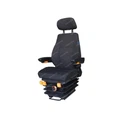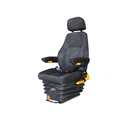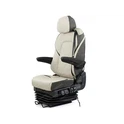


Rail operators play a vital role in maintaining efficient and reliable rail transportation systems. Over extended service periods, Locomotive Cab Seats inevitably experience wear and deterioration, necessitating systematic replacement protocols. Proper seat replacement not only enhances operator comfort but also significantly contributes to their long-term well-being and operational performance. This comprehensive guide outlines the essential procedures involved in replacing locomotive cab seating systems.

Critical Safety Protocols
Implementing comprehensive safety measures before initiating any seat replacement procedure remains paramount. Begin by disconnecting the locomotive's primary power supply to prevent accidental movement or system activation during maintenance operations. Ensure complete locomotive immobilization through proper securing mechanisms to eliminate potential hazards. Additionally, execute established lockout/tagout procedures to prevent unauthorized power restoration during maintenance activities. Conduct thorough environmental assessment for potential risks including tripping hazards, pinch points, or sharp edges, addressing identified concerns immediately.
Utilize appropriate personal protective equipment including safety glasses, industrial gloves, and steel-toed footwear to minimize injury risks. When specialized tools or equipment are required for Locomotive Cab Seats replacement, ensure complete operational familiarity and strict adherence to manufacturer guidelines.
Systematic Disassembly of Existing Seating
Identify and remove all fastening components securing the existing seat assembly, including bolts, screws, and specialized fasteners. Carefully extract the seat unit while monitoring for electrical connections or ancillary attachments requiring disconnection. Document existing configurations through photographic evidence or detailed notes to facilitate proper installation of replacement Locomotive Cab Seats. This systematic approach proves equally valuable when maintaining conventional Mechanical Suspension Seat systems in other rail applications.
Replacement Seat Preparation
Verify replacement seat compatibility with specific locomotive models and confirm compliance with relevant safety and ergonomic standards. Follow manufacturer documentation to ensure all necessary components and hardware are present and accounted for. Complete any required assembly procedures according to provided guidelines, maintaining the same precision standards applied to Mechanical Suspension Seat installations across various railway applications.
Precision Installation Procedures
Position replacement seating within designated cab areas, ensuring proper alignment and clearance from adjacent components and control systems. Secure the seat assembly using appropriate fasteners according to manufacturer specifications and recommended torque values. These installation standards mirror those employed for advanced Mechanical Suspension Seat systems, emphasizing structural integrity and operational safety.
Following installation, conduct comprehensive visual inspection to verify secure mounting and identify any movement indications or instability. Confirm complete absence of shaking or looseness that could compromise operator safety during locomotive operation.
Ergonomic Adjustment Protocols
Modern Locomotive Cab Seats incorporate multiple adjustment capabilities to accommodate diverse operator physiques and preferences. Configure seat height, backrest inclination, and armrest positioning according to individual requirements while ensuring proper postural support. Consult manufacturer specifications for recommended adjustment parameters and procedures.
Proper seat configuration remains crucial for operator comfort and musculoskeletal health prevention. Set seat height to permit flat foot placement with comfortable thigh and knee angles. Adjust backrest inclination to support natural spinal curvature, minimizing lumbar strain. Position armrests at appropriate heights to reduce shoulder and neck tension. These ergonomic principles apply equally to specialized Mechanical Suspension Seat configurations throughout the railway industry.
Additional features including lumbar support systems, headrest adjustments, and cushion modifications should be utilized to enhance comfort and reduce fatigue during extended operational periods. Strict adherence to manufacturer adjustment guidelines prevents discomfort, poor posture, and potential long-term health complications.
Electrical System Integration
For seats incorporating electrical functionalities such as heating or massage systems, meticulously follow manufacturer instructions for electrical connection establishment. Ensure all wiring is properly secured and insulated to prevent potential hazards or interference with other locomotive electrical systems. These electrical integration standards parallel those required for sophisticated Mechanical Suspension Seat systems with advanced comfort features.
Comprehensive Testing and Verification
Following Locomotive Cab Seats installation, execute thorough operational testing to verify all functions including adjustment mechanisms, electrical systems (where applicable), and integrated safety features. Evaluate seating stability and firmness through simulated operational conditions and movements. This verification process reflects similar testing protocols employed for Mechanical Suspension Seat systems across various railway applications.
Throughout replacement procedures, maintain strict adherence to manufacturer guidelines and consult qualified technical professionals when necessary. Proper procedural compliance and safety protocol observation ensure successful seat replacement while guaranteeing locomotive operational safety and reliability.
Professional Seating Solutions
Yisrui Auto Parts Co., Ltd. represents a specialized manufacturer of professional Locomotive Cab Seats, offering customized solutions tailored to specific operational requirements. Their seating products incorporate comprehensive adjustment capabilities, diverse material selections, color options, and branding integration possibilities. Additionally, Yisrui provides OEM services ensuring seamless integration of their seating solutions across various locomotive designs and configurations. For detailed information regarding YSR Locomotive Cab Seats and replacement procedures, contact Yisrui Auto Parts Co., Ltd. at sales@ysrseats.com.
By implementing recommended safety measures and procedural steps, railway operators can ensure efficient seat replacement processes that enhance operational comfort, productivity, and wellbeing during extended duty periods. Regular seating maintenance and timely replacement remain essential for effective locomotive cab management, ultimately improving overall rail transportation safety and reliability.
References:
1: Federal Railroad Administration (FRA). (2021). Locomotive Cab Equipment and Ergonomics.
2: American Public Transportation Association (APTA). (2020). Recommended Practice for Passenger Rail Vehicle Seating Design.
3: Rail Safety and Standards Board (RSSB). (2019). Guidance on the Design of Seats for Rail Vehicles.
4: Kuntze, H., & Behrendt, M. (2017). The Development of a Hydraulic Damper for Railway Seats. Proceedings of the Institution of Mechanical Engineers, Part F: Journal of Rail and Rapid Transit, 231(9), 1042-1051. doi:10.1177/0954409717707334