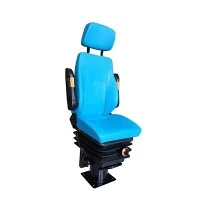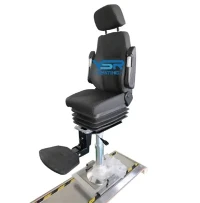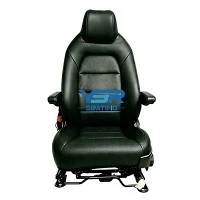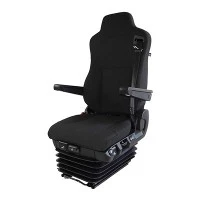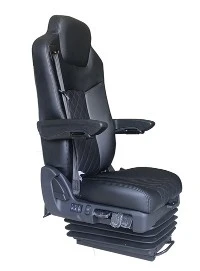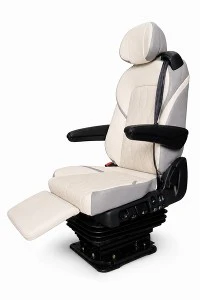


In the trucking business, where extended periods on the road and about are an unpreventable reality, guaranteeing driver solace and security is of vital significance. Truck seat air suspension assume a crucial part in such a manner, filling in as the interface between the driver and the vehicle.As technology advances, the emergence of air suspension seats has revolutionized the driving experience, offering numerous benefits to both drivers and fleet operators. These innovative seating solutions have become increasingly crucial for enhancing driver well-being, operational efficiency, and overall productivity within the industry.

What Is Truck seat air suspension?
At its center, the Truck seat air suspension is a system that harnesses the force of compacted air to change the firmness and level of the seat height. This is achieved through the integration of air-filled bladders or chambers within the seat's structure. By inflating or deflating these air chambers, the seat can be tailored to the individual driver's preferences and the specific road conditions encountered during a journey.
The air suspension mechanism functions by utilizing an electric compressor or an air supply line connected to the truck's air system. This air source enables the inflation or deflation of the air chambers, allowing the seat to respond to the driver's weight distribution and movements. The result is a seating experience that actively molds itself to the contours of the driver's body, providing optimal support and cushioning throughout the entire drive.

Benefits of Truck seat air suspension:
1. Enhanced Comfort:
One of the most significant advantages of air suspension seats is the unparalleled comfort they offer to drivers. Unlike traditional fixed-suspension seats, which can become rigid and uncomfortable over extended periods, air suspension seats adapt to the driver's body shape and weight distribution. This active adjustment reduces stress and pressure points on the back, neck, and legs, minimizing discomfort and fatigue.
Furthermore, air suspension seats effectively mitigate the impact of vibrations and shocks transmitted from rough roads or uneven surfaces. By absorbing and dampening these jarring movements, the seats create a smoother and more stable driving experience, further contributing to driver comfort and reducing the risk of muscle strain or soreness.
2. Improved Health Outcomes:
The trucking profession is often associated with an increased risk of developing musculoskeletal disorders, such as chronic back pain, neck strain, and leg discomfort. This is primarily due to the prolonged exposure to vibrations and poor seating ergonomics. Air suspension seats directly address these health concerns by evenly distributing the driver's weight across the seat surface, reducing the transmission of harmful vibrations to the body.
Additionally, the improved circulation resulting from better seating posture and reduced pressure points can decrease the chances of developing blood clots and other circulatory issues often associated with long periods of sitting. By promoting proper spinal alignment and reducing muscle tension, air suspension seats can contribute to overall better posture and reduced strain on the body.
3. Increased Safety:
Driver fatigue and discomfort can significantly impact reaction times and decision-making abilities on the road, increasing the risk of accidents. Air suspension seats play a crucial role in enhancing safety by mitigating these factors. By providing superior comfort and reducing the physical strain on the driver, these seats contribute to improved concentration and alertness, enabling quicker responses to potential hazards.
Moreover, the ability to customize seating positions allows drivers to optimize their line of sight and achieve a more ergonomic driving posture. This enhanced visibility and control over the vehicle can further improve safety by enabling better awareness of the surrounding environment and more precise maneuvering.
4. Longer Seat Lifespan:
In addition to the benefits for drivers, air suspension seats offer advantages for fleet owners and operators in terms of longevity and cost-effectiveness. The air suspension mechanism is designed to distribute the driver's weight evenly across the seat surface, reducing wear and tear on specific areas. This even distribution of weight helps prevent premature sagging or deformation of the seat, extending its overall lifespan.
Furthermore, the adjustable nature of air suspension seats allows for accommodating a wider range of driver sizes and preferences, making them a versatile investment for fleets with diverse driver pools. This flexibility contributes to the seats' longevity and maximizes their utility across various scenarios.
5. Fuel Efficiency:
While the direct impact on fuel efficiency may be modest, the improved ergonomics and reduced driver fatigue associated with air suspension seats can indirectly contribute to better fuel economy. Drivers who experience less discomfort and strain are more likely to maintain consistent driving patterns, avoiding sudden accelerations or decelerations that can negatively impact fuel consumption.
Furthermore, by promoting proper posture and reducing muscle tension, air suspension seats can help drivers maintain a more relaxed and controlled driving style, which may result in smoother acceleration and braking, further optimizing fuel efficiency over time.
Considerations When Choosing Air Suspension Seats:
When selecting air suspension seats for trucks, it is crucial to consider several key factors to ensure optimal performance and a worthwhile investment. Firstly, weight capacity is an essential consideration, as air suspension seats are designed to accommodate specific weight ranges. Choosing a seat that can support the driver's weight and provide adequate adjustability is essential for ensuring proper functionality and longevity.
Additionally, evaluating the range of adjustability features offered by different air suspension seat models is crucial. Look for seats that provide ample adjustments for lumbar support, seat height, tilt, and recline, allowing drivers to fine-tune the seating position to their individual preferences and body types.
Durability is another important factor, as truck seats are subjected to constant use and varying environmental conditions. Consider seats constructed with high-quality materials and robust air suspension mechanisms that can withstand the demands of long-haul operations.
Finally, seek out air suspension seats that have been certified or endorsed by reputable health organizations or industry bodies. These certifications ensure that the seats meet stringent ergonomic and safety standards, providing peace of mind and confidence in the investment.
Choose YSR Driver Seat
In the ever-evolving landscape of the trucking industry, the adoption of air suspension seats represents a significant stride towards prioritizing driver well-being and operational efficiency. By offering unparalleled comfort, improved health outcomes, increased safety, longer seat lifespan, and potential fuel efficiency gains, these innovative seating solutions have become an invaluable asset for both drivers and fleet operators.
As the industry continues to recognize the importance of driver comfort and its direct impact on productivity and safety, investing in air suspension seats emerges as a strategic decision. By providing a customizable and adaptive seating experience, these seats can alleviate the physical strain and discomfort associated with long-haul trucking, ultimately contributing to a safer, more productive, and more sustainable trucking industry.
Please contact us at sales@ysrseats.com to learn more.
References:
1. National Institute for Occupational Safety and Health. (2020). Whole-Body Vibration and Ergonomic Seat Design for Truck Drivers.
2. Occupational Safety and Health Administration. (2019). Truck Driver Ergonomics.
3. Federal Motor Carrier Safety Administration. (2021). Truck Driver Fatigue and Safety.
4. Society of Automotive Engineers. (2018). Recommended Practice for Truck Seat Design and Evaluation. SAE J1051_201808.