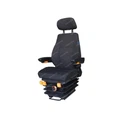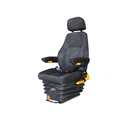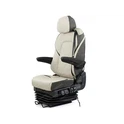


The comfort and support of a truck driver's seat are crucial elements in ensuring a smooth and enjoyable driving experience. One of the key features that contribute to this comfort is the mechanical suspension system integrated into the truck seat. In this comprehensive blog post, we will delve into the various specifications and functionalities of a typical truck seat mechanical suspension, providing you with a detailed understanding of this essential component.

Mechanical Suspension: The Vertical Suspension Stroke
The mechanical suspension system in a truck seat is designed to absorb the shocks and vibrations experienced by the driver during their journey. This system uses a blend of springs, dampers, and other mechanical parts to make a smooth and agreeable ride, decreasing the actual stress on the driver's body.
A crucial specification of the truck seat is the vertical suspension stroke, which refers to the maximum distance the seat can move up and down. The standard specification for this feature is a 100mm vertical suspension stroke. This scope of movement permits the seat to really answer lopsided street conditions, bumps, and different unsettling influences, furnishing the driver with a more steady and open to seating position.
The vertical suspension stroke is achieved through the use of high-quality springs and dampers that work together to isolate the driver from the vibrations and shocks transmitted through the vehicle's chassis. These parts are painstakingly designed to give the ideal balance between help and cushioning, guaranteeing that the driver's body is shielded from the burdens of significant distance driving.
Manual Adjustment for Driver Weight
To accommodate drivers of varying weights, the mechanical suspension system in a truck seat often includes a manual adjustment feature. This permits the driver to tweak the suspension to their particular weight, which regularly goes from 50kg to 120kg.
By changing the suspension, the driver can guarantee that the seat gives the ideal degree of help and padding for their body, improving their general solace and diminishing exhaustion during lengthy drives. The manual adjustment mechanism is usually a simple knob or lever that the driver can easily manipulate to find the perfect setting for their needs.
This customization feature is essential in ensuring that the truck seat provides a comfortable and supportive seating position for a wide range of drivers. It takes into account the fact that individuals of different weights will experience varying levels of pressure and stress on their bodies, and the ability to adjust the suspension accordingly helps to alleviate these issues.
Seat Height and Tilt Adjustment
In addition to the vertical suspension, Truck seat mechanical suspension also feature adjustable seat height and tilt, providing the driver with the ability to customize the seating position to their preference. The standard specification for this feature is a 60mm range of adjustment for both seat height and tilt.
This flexibility enables the driver to find the most ergonomic and comfortable position, further contributing to their overall driving experience. By adjusting the seat height, the driver can ensure that they have a clear view of the road and easy access to the vehicle's controls. The tilt adjustment, on the other hand, allows the driver to recline the seat to a position that provides optimal lower back support and reduces strain on the neck and shoulders.
The combination of vertical suspension and seat height/tilt adjustment works together to create a tailored seating experience for each individual driver. This customization helps to alleviate the discomfort and fatigue that can arise from prolonged driving sessions, as the driver can find the perfect position that suits their specific needs and physical characteristics.
Lumbar Support
Truck seat mechanical suspensions often incorporate a lumbar support system, which is designed to provide additional back support for the driver. This feature typically offers five different positions, allowing the driver to adjust the level of lumbar support to their specific needs.
By reducing pressure on the lower back, the lumbar support can help alleviate discomfort and fatigue during long driving sessions. This is particularly important for truck drivers, who often spend hours behind the wheel, subjecting their backs to constant strain and pressure.
The adjustable lumbar support feature is a testament to the attention to detail and the focus on driver comfort in the design. It acknowledges the importance of proper spinal alignment and support, and provides the driver with the ability to fine-tune this aspect of their seating position to achieve maximum comfort and reduced fatigue.
Backrest Angle Adjustment
Another important aspect of the truck seat is the backrest angle adjustment. This feature allows the driver to r ecline the backrest to a comfortable position, providing additional support and reducing strain on the neck and shoulders.
The range of adjustment for the backrest angle is tailored to meet the specific needs of truck drivers, ensuring that they can find the optimal seating position for their comfort and driving efficiency. This customization is crucial, as different drivers may have varying preferences and physical characteristics that require different backrest angles for optimal support and comfort.
By allowing the driver to adjust the backrest angle, the mechanical suspension system in the truck seat helps to promote a more relaxed and ergonomic driving posture. This, in turn, can contribute to reduced muscle tension, improved blood circulation, and a lower risk of musculoskeletal issues that can arise from prolonged driving sessions.
Fore and Aft Adjustment
To further enhance the customization options, mechanical suspension seat often include a fore and aft adjustment feature. This allows the driver to slide the seat forward or backward, enabling them to find the perfect position in relation to the steering wheel, pedals, and other controls.
The standard specification for this feature is a 160mm range of adjustment, providing ample flexibility for drivers of different heights and preferences. This customization is crucial, as it helps to ensure that the driver can reach all the necessary controls comfortably and maintain a proper driving position.
The fore and aft adjustment, combined with the other features of the truck seat, creates a highly personalized seating experience. Drivers can fine-tune their position to match their individual needs, reducing the risk of fatigue, muscle strain, and other physical discomforts that can arise from prolonged driving.
Suspension Black Vinyl Cover
The mechanical suspension components of a truck seat are typically housed within a black vinyl cover, which serves a dual purpose. Firstly, the cover protects the internal suspension system from the elements, such as dust, dirt, and moisture, ensuring the long-term durability and reliability of the suspension.
Secondly, the black vinyl material provides a sleek and professional appearance, contributing to the overall aesthetic of the truck's interior. The use of a durable and easy-to-clean material like vinyl also helps to maintain the seat's appearance over time, even in the face of heavy use and potential wear and tear.
The suspension black vinyl cover is an important design element that not only serves a functional purpose but also enhances the overall visual appeal of the truck seat. It helps to create a cohesive and polished look that complements the truck's interior, while also protecting the critical mechanical components that are responsible for the driver's comfort and support.
Charcoal Fabric
The upholstery of the truck seat is another important aspect of its design. The standard specification for the seat cover fabric is charcoal, a neutral and versatile color that complements the overall interior styling of the truck.
The charcoal fabric not only adds a touch of sophistication but also helps to hide any minor wear and tear that may occur over time, maintaining the seat's clean and well-maintained appearance. This is particularly important for truck seats, which are subject to frequent use and potential exposure to various environmental factors, such as dirt, spills, and sun exposure.
The choice of charcoal fabric for the truck seat upholstery is a practical and aesthetically pleasing decision. It allows the seat to maintain its professional and polished look, even as it experiences the rigors of daily use by the driver. This, in turn, contributes to the overall impression of quality and attention to detail in the truck's interior design.
To learn more about YSR Truck seat mechanical suspension, please contact us at sales@ysrseats.com.
References:
1. Gillespie, T.D. (1992). Fundamentals of Vehicle Dynamics. Warrendale, PA: Society of Automotive Engineers.
2. Milliken, W.F., & Milliken, D.L. (1995). Race Car Vehicle Dynamics. Warrendale, PA: Society of Automotive Engineers.
3. Reimpell, J., Stoll, H., & Betzler, J.W. (2001). The Automotive Chassis: Engineering Principles. Oxford, UK: Butterworth-Heinemann.