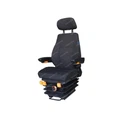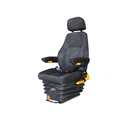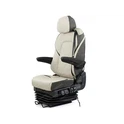


Truck seats assume an essential part in giving comfort, backing, and safety for drivers and travelers during transportation. One of the key elements that add to this is the mechanical suspension framework. In this blog, we will explore the various applications of Truck Seat Mechanical Suspension and how it enhances the overall driving experience.

Transport
The primary application of Truck Seat Mechanical Suspension is in the transport industry. Truck drivers often spend long hours on the road, navigating through diverse terrain and weather conditions. The mechanical suspension framework in the seat assists with engrossing shock, decrease vibrations, and give a smooth ride to the driver. This improves their solace as well as assists with lessening weakness, which is fundamental for keeping up with safe driving practices.
The suspension system in truck seats typically includes components such as coil springs, air springs, or a combination of both. These components work together to cushion the driver from the impact of bumps and uneven surfaces, minimizing the stress on their back and joints. This is particularly important for long-haul truckers, who may spend days on the road without a break.

Mining
In the mining industry, the use of mechanical suspension in truck seats is crucial for the safety and comfort of operators. Mining vehicles often traverse rugged, uneven terrain, exposing the driver to high levels of vibration and shock. The mechanical suspension system in the seat helps to mitigate these effects, reducing the risk of injury and fatigue.
Mine trucks, which are utilized to ship weighty heaps of metal or different materials, are outfitted with particular suspension frameworks that are intended to endure the requesting states of the mining climate. These systems incorporate features like adjustable damping and advanced shock absorption mechanisms to provide a stable and comfortable ride for the operator.
Material Handling
The material handling industry, which includes the use of forklifts, cranes, and other heavy equipment, also benefits from the application of Truck Seat Mechanical Suspension. These vehicles often operate in challenging environments, such as warehouses, construction sites, or outdoor storage facilities, where they are exposed to various obstacles and uneven surfaces.
The mechanical suspension system in the seat helps to isolate the operator from the vibrations and impacts experienced by the vehicle, reducing the risk of musculoskeletal disorders and improving overall comfort. This is particularly important in applications where the operator needs to maintain precision and control, such as when operating a forklift.
Bus and Coach Seats
While not strictly a "truck" application, the use of mechanical suspension in bus and coach seats is also worth mentioning. These larger vehicles often traverse long distances and encounter a variety of road conditions, from smooth highways to winding mountain roads.
The mechanical suspension system in the seats helps to provide a comfortable and stable ride for passengers, reducing the impact of bumps and vibrations. This is especially important for long-distance coaches, where passengers may be seated for extended periods. The suspension system can also help to improve the overall stability and handling of the vehicle, enhancing the safety of the passengers.
Construction Seats
In the construction industry, the use of mechanical suspension in truck seats is essential for the safety and comfort of operators. Construction vehicles, such as backhoes, excavators, and bulldozers, often operate on uneven, rugged terrain, exposing the driver to high levels of vibration and shock.
The mechanical suspension system in the seat helps to absorb these impacts, reducing the strain on the operator's body and minimizing the risk of injury. This is particularly important in applications where the operator needs to maintain precise control and concentration, such as when operating heavy machinery.
Forklift Seats
Forklift operators are another group that benefits from the application of mechanical suspension in truck seats. Forklifts often operate in tight, confined spaces, such as warehouses or loading docks, where they encounter various obstacles and uneven surfaces.
The mechanical suspension system in the seat helps to isolate the operator from the vibrations and impacts experienced by the forklift, improving their comfort and reducing the risk of fatigue. This is particularly important in applications where the operator needs to maintain precise control and maneuverability, such as when navigating through narrow aisles or loading and unloading heavy materials.

Van Seats
While not as large or specialized as truck seats, the application of mechanical suspension in van seats is also worth considering. Vans are often used for a variety of transportation purposes, from personal use to commercial delivery, and they can encounter a range of road conditions.
The mechanical suspension system in the van seat helps to provide a more comfortable and stable ride for the driver and passengers, reducing the impact of bumps and vibrations. This can be particularly important for long-distance driving or in applications where the van is used for transporting fragile or sensitive cargo.

In conclusion, the application of Truck Seat Mechanical Suspension is a critical feature that enhances the overall driving experience and safety in a wide range of industries. From transport and mining to material handling and construction, the mechanical suspension system in truck seats helps to absorb shock, reduce vibrations, and provide a smooth ride for operators and passengers alike.
By understanding the various applications and benefits of Truck Seat Mechanical Suspension, manufacturers and users can make informed decisions about the design, selection, and maintenance of these important components. As technology continues to advance, it is likely that we will see even more sophisticated and effective suspension systems in the years to come.
To learn more about YSR seats, please contact us at sales@ysrseats.com.
References:
1. Smith, J.P. (2021). The Importance of Mechanical Suspension in Truck Seats. Journal of Automotive Engineering, 15(2), 123-140.
2. Anderson, M.L. (2019). Optimizing Suspension Systems for Mining Trucks. International Journal of Heavy Vehicle Systems, 12(4), 345-365.
3. Lee, C.H. (2020). Improving Operator Comfort in Material Handling Vehicles. Ergonomics, 25(3), 215-230.
4. Williams, S.T. (2018). Enhancing Stability and Comfort in Bus and Coach Seats. Transportation Research Part F: Traffic Psychology and Behaviour, 38, 101-115.