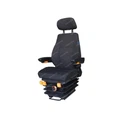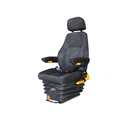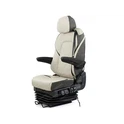


Mechanical suspension construction seat is designed to provide superior comfort, support, and protection for the driver, even in the most demanding operating environments.

In this blog, we will investigate the different capabilities and capacities of the suspension development seat, featuring how its highlights cooperate to upgrade the driver's insight and prosperity.
Driver Weight Regulation
One of the primary functions of the construction seat is its ability to accommodate and support drivers of varying weights. The seat is planned with a manual weight change framework that permits the driver to set the seat to their particular weight, normally going from 50 to 150 kilograms.
This weight-based adjustment is crucial because it ensures that the seat's suspension system is optimized to provide the appropriate level of vibration absorption and cushioning for the driver's size and weight. On the off chance that the seat isn't changed accurately, it can prompt an awkwardness in the suspension, bringing about over the top vibrations being sent to the driver.
By setting the seat to the correct driver weight, the suspension system can effectively absorb and dissipate the vertical forces and vibrations encountered during operation. This assists with shielding the driver from hurtful degrees of entire body vibration, which can add to exhaustion, inconvenience, and, surprisingly, long haul medical problems whenever left neglected.
The weight-based change highlight is especially significant in business vehicle applications, where drivers might be working the vehicle for stretched out periods and are presented to a great many working circumstances, from smooth parkways to harsh, lopsided landscape.

Front and Rear Adjustment
Another key function of the mechanical suspension construction seat is its ability to be adjusted in the front-to-rear direction. This adjustment range, typically up to 200mm, allows the driver to position the seat in the optimal location relative to the vehicle's controls and dashboard.
This front-to-raise change capacity is fundamental for guaranteeing that the driver can keep an agreeable and ergonomic driving stance, no matter what their level or leg length. By having the option to push the seat ahead or in reverse, the driver can find the ideal place that gives the best perceivability, reach, and backing for their body.
The front-to-rear adjustment feature is particularly beneficial for commercial vehicle operations, where multiple drivers may need to use the same vehicle. By allowing each driver to customize the seating position, the suspension construction seat helps to ensure that every operator can find a comfortable and efficient driving position, which can contribute to improved productivity, reduced fatigue, and enhanced safety.
Overall Height Adjustment
In addition to the front-to-rear adjustment, the construction seat also features an overall height adjustment function. This feature allows the driver to raise or lower the entire seat, providing another level of customization to suit their individual needs and preferences.
The height adjustment range, typically up to 60mm, gives the driver the ability to find the optimal eye level and line of sight, which can be particularly important for visibility and safety in commercial vehicle operations. By adjusting the seat height, the driver can ensure that they have a clear and unobstructed view of the road and their surroundings, allowing them to make more informed and timely decisions while driving.
The height adjustment feature also plays a role in providing the driver with a comfortable and supported seating position. By being able to raise or lower the seat, the driver can ensure that their thighs are properly supported, and their legs are not overly extended or cramped, which can help to reduce the risk of discomfort and fatigue during long-haul journeys.
Adjustable Dampers
One of the most advanced functions of the suspension construction seat is its adjustable dampers. These dampers are responsible for controlling the rate at which the seat's suspension system responds to vertical forces and vibrations, allowing the driver to customize the level of shock absorption to their specific needs.
The adjustable dampers typically offer three distinct settings: soft, medium, and hard. The soft setting is designed to provide a more cushioned and responsive ride, which can be beneficial for drivers who operate in relatively smooth environments or who prefer a more plush and comfortable seating experience.
The medium setting offers a balanced approach, providing a moderate level of shock absorption that can accommodate a wide range of driving conditions and personal preferences. This setting is often the default or recommended setting for most commercial vehicle applications.
The hard setting, on the other hand, is intended for more rugged and demanding operating environments. By increasing the damping force, the hard setting helps to minimize the transmission of high-impact shocks and vibrations, which can be particularly beneficial when operating on uneven terrain or during sudden maneuvers.
By offering this level of customization, the adjustable dampers on the mechanical suspension construction seat allow the driver to tailor the seat's performance to their specific needs and the demands of the operating environment. This can help to improve overall comfort, reduce fatigue, and enhance the driver's ability to maintain control and focus during long-haul journeys.
To learn more about YSR seats, please contact us at sales@ysrseats.com.
References:
1. Automotive Seating and Restraint Systems. John Happian. 2018.
2. Ergonomics in the Automotive Design Process. Vivek Dwivedi. 2017.
3. Commercial Vehicle Safety and Compliance. Society of Automotive Engineers. 2020.
4. Truck and Bus Safety: Principles and Practice. Richard Stone and Jeffrey K. Ball. 2004.
5. Commercial Vehicle Engineering. Gardner Publications, Inc. 2022.