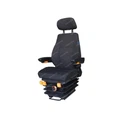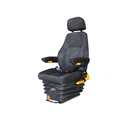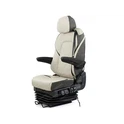


In business vehicles, the solace and wellbeing of the driver are central worries. One of the key components that contribute to the overall driving experience is the seat, particularly the mechanical suspension construction seat.

In this blog post, we will explore the various features and specifications of the suspension construction seat, highlighting its unique capabilities and the benefits it offers to commercial vehicle operators.
Dual-spring Mechanical Suspension
At the heart of the suspension construction seat is the dual-spring suspension system. This design consolidates two separate springs, working pair to give a smooth and responsive ride for the driver.
The first spring is responsible for the primary suspension, absorbing the majority of the vertical forces and vibrations encountered during operation. This spring is typically made of high-quality steel and is designed to maintain its integrity and performance even under prolonged use and heavy loads.
The second spring, often referred to as the "additional suspension," serves as a supplementary cushioning system. This spring is designed to work in conjunction with the primary suspension, providing an extra layer of support and shock absorption, particularly for heavier drivers or when the vehicle is subjected to more extreme operating conditions.
The blend of these two springs makes an exceptionally successful suspension framework that is fit for adjusting to many driving situations, from smooth thruways to harsh, lopsided territory. This dual-spring design helps to reduce the transmission of vibrations and shocks to the driver, promoting improved comfort, reduced fatigue, and enhanced safety during long-haul journeys.
Weight Adjustment and Fore-Aft Positioning
Another key feature of the mechanical suspension construction seat is the manual weight adjustment system. This framework permits the driver to adjust the seat's settings to oblige their particular weight, which can go from 50 kilograms to 150 kilograms.
By changing the seat's settings to match the driver's weight, the suspension framework can be advanced to give the fitting degree of help and padding. This assists with guaranteeing that the seat isn't excessively delicate or excessively firm, which can prompt distress and weakness overstretched times of driving.
In addition to the weight adjustment, the suspension construction seat also features a generous 200mm of fore-aft adjustment. This extensive range of adjustment allows the driver to position the seat in the optimal location relative to the vehicle's controls and dashboard, ensuring that they can maintain a comfortable and ergonomic driving posture.
The combination of weight-based adjustment and fore-aft positioning gives the driver a high degree of customization, enabling them to tailor the seat to their individual needs and preferences. This level of adaptability can be particularly beneficial for commercial vehicle operators who may need to share the same vehicle with multiple drivers, as it allows each individual to find their ideal seating position.
Vertical Suspension and Seat Height Adjustment
Another key feature of the mechanical suspension construction seat is the 100mm vertical suspension stroke. This generous range of vertical travel allows the seat to effectively absorb and dissipate the forces and vibrations encountered during operation, providing a smooth and comfortable ride for the driver.
The vertical suspension system is designed to work in harmony with the dual-spring mechanical suspension, further enhancing the seat's ability to isolate the driver from the harsh conditions of the road. This combination of vertical and horizontal suspension components helps to reduce the overall transmission of vibrations and shocks, contributing to a more relaxed and focused driving experience.
In addition to the vertical suspension, the suspension construction seat also offers a 60mm integral seat height adjustment. This feature allows the driver to raise or lower the seat to their preferred position, ensuring that they can maintain a comfortable and ergonomic driving posture, regardless of their height or leg length.
The integration of the seat height adjustment within the seat's overall design helps to maintain the consistency and stability of the suspension system, as the weight distribution and center of gravity remain consistent even as the seat height is adjusted.
Lumbar Support and Backrest Adjustment
To further enhance the comfort and support provided by the mechanical construction seat, it is equipped with a 5-position mechanical lumbar support system. This adjustable lumbar support allows the driver to tailor the contours of the seat to their individual spinal profile, providing targeted relief and support for the lower back region.
The 5-position adjustment range gives the driver a high degree of customization, enabling them to find the perfect balance of support and comfort for their individual needs. This can be particularly beneficial for drivers who spend long hours behind the wheel, as it can help to alleviate the strain and fatigue that can accumulate in the lower back during extended periods of driving.
In addition to the lumbar support, the mechanical construction seat also features adjustable backrest recline. This feature allows the driver to find the optimal angle for their backrest, which can be particularly useful for taking breaks or resting during longer journeys.
The combination of adjustable lumbar support and backrest recline helps to ensure that the driver can maintain a comfortable and ergonomic seating position, even as their needs and preferences change throughout the course of the day or over extended periods of use.

Vibration Performance and Safety Standards
The suspension construction seat is designed to meet or exceed the highest industry standards for vibration performance and safety. The seat has been tested and certified to comply with the ISO 7096 standard, which evaluates the seat's ability to isolate the driver from the vibrations and shocks encountered during operation.
This testing process involves subjecting the seat to a range of simulated operating conditions, including EM1, EM3, EM4, EM5, EM6, and EM8 profiles, which represent different types of construction equipment and environments. By demonstrating compliance with these industry-recognized standards, the construction seat ensures that it can provide a high level of comfort and protection for the driver, even in the most demanding operating conditions.
In addition to the vibration performance, the construction seat also features safety belts that comply with the ISO 6683 and SAE J386 standards. These safety belts are designed to provide a secure and reliable restraint system, with an anchorage strength of up to 15 kN, helping to protect the driver in the event of a collision or sudden deceleration.
Fabric and Upholstery Options
The mechanical suspension construction seat is available in a range of high-quality fabric or PVC upholstery options, allowing users to choose the material that best suits their needs and preferences.
The fabric options are designed to be durable, easy to clean, and resistant to the various environmental factors encountered in commercial vehicle operations, such as exposure to weather, spills, and frequent use. The PVC upholstery, on the other hand, offers a more rugged and low-maintenance solution, making it an ideal choice for operators who need to prioritize long-term durability and ease of cleaning.
Regardless of the chosen upholstery, the suspension construction seat is designed to maintain its appearance and functionality over the course of its lifetime, ensuring that it continues to provide a comfortable and reliable driving experience for the user.
To learn more about YSR seats, please contact us at sales@ysrseats.com.
References:
1. Automotive Seating and Restraint Systems. John Happian. 2018.
2. Ergonomics in the Automotive Design Process. Vivek Dwivedi. 2017.
3. Commercial Vehicle Safety and Compliance. Society of Automotive Engineers. 2020.
4. Truck and Bus Safety: Principles and Practice. Richard Stone and Jeffrey K. Ball. 2004.
5. Commercial Vehicle Engineering. Gardner Publications, Inc. 2022.