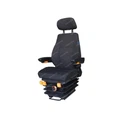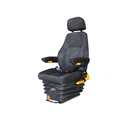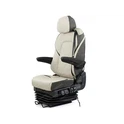


How to Identify Common Truck Seat Issues?
Truck seat endures a lot of wear and tear. After many miles on the road, they can develop various issues. Over the years, I've learned that addressing these problems early can extend the life of your seat and improve your driving comfort. Here, we'll look at some of the most common problems truck seats face and how to identify them.

①Tears and Upholstery Damage
One of the most noticeable issues is damage to the upholstery. Tears, rips, and worn-out fabric or leather can make your seat look unsightly and uncomfortable to sit on. Small tears can quickly turn into larger ones if not addressed promptly.
To identify these problems:
1. Inspect the Seat Surface: Regularly check for visible tears, worn spots, or frayed stitching.
2. Feel for Rough Areas: Run your hand over the seat to detect any rough patches or changes in texture.
②Foam and Cushion Deterioration
The foam inside the seat cushions can deteriorate over time, leading to a lack of support and comfort. If you notice that your seat feels less comfortable or has lost its shape, the foam might need attention.
Signs of foam deterioration include:
1. Sagging: The seat cushion appears flattened or uneven.
2. Discomfort: You feel less support, especially during long drives.
3. Broken Seat Adjustments
Functional issues with seat adjustments are also common. If your seat no longer adjusts properly or feels loose, it could be due to broken levers, faulty motors, or worn-out mechanisms.
To diagnose these issues:
1. Test Adjustments: Try moving the seat in all directions (forward, backward, up, down) to see if any adjustments are restricted or not working.
2. Listen for Noises: Unusual noises during adjustment, such as grinding or clicking, can indicate a problem.
Step-by-Step Guide to Repairing Truck Seats
Repairing your truck seat doesn't always require professional help. With some basic tools and a bit of patience, you can fix many common issues yourself. Below is a step-by-step guide to help you through the process.
①Repairing Upholstery Tears
Small tears and rips in your seat upholstery can often be repaired with a bit of DIY effort.
②Replacing Seat Foam
When the seat cushion foam deteriorates, replacing it can restore comfort and support.
③ Fixing Broken Seat Adjustments
If your seat adjustments are broken, you might need to replace or repair the mechanism. This can be more complex, but it's manageable with some guidance.
Steps:
1. Diagnose the Problem: Determine which part of the adjustment mechanism is faulty.
2. Disassemble the Seat: Carefully remove the seat from the truck and disassemble the necessary parts to access the adjustment mechanism.
3. Replace the Faulty Parts: Install the new parts, following the manufacturer's instructions.
4. Reassemble the Seat: Put everything back together and test the adjustments to ensure they work correctly.
Preventative Maintenance Tips for Truck Seats
Maintaining your truck seat can help prevent many common issues and prolong its lifespan. Here are some tips that have helped me keep my seats in good condition over the years.
① Regular Cleaning
Keeping your truck seat clean can prevent a lot of wear and tear. Dirt and debris can cause abrasion and damage to the upholstery. Here's how you can keep your seats clean:
1. Vacuum Regularly: Use a vacuum cleaner to remove dirt and debris from the seat surface and crevices.
2. Use Appropriate Cleaners: For fabric seats, use a fabric cleaner. For leather seats, use a leather cleaner and conditioner to keep the material supple and prevent cracking.
②Using Seat Covers
Seat covers can protect your original upholstery from damage and wear. They are especially useful if you frequently transport goods that could damage the seats.
1. Choose the Right Cover: Select a cover that fits well and is made of durable material.
2. Install Properly: Make sure the cover is installed securely to avoid movement that can cause wear.
③Address Issues Promptly
Small issues can quickly become big problems if not addressed promptly. For example, a small tear can grow larger if left unrepaired. Similarly, a slightly loose adjustment mechanism can become completely inoperative.
1. Inspect Regularly: Make it a habit to inspect your seat for any signs of damage or wear.
2. Fix Immediately: Address any issues as soon as they are noticed to prevent further damage.
④Avoid Excessive Weight
Overloading your seat can cause it to wear out faster. Avoid placing heavy objects on the seat or using it in ways it's not designed for.
1. Follow Weight Limits: Adhere to the manufacturer's weight limits for your seat.
2. Distribute Weight Evenly: When carrying heavy items, distribute the weight evenly to avoid putting too much pressure on one part of the seat.
When to Seek Professional Help
While many seat repairs can be done at home, some issues may require professional help. Knowing when to seek expert assistance can save you time and ensure the job is done correctly.
①Complicated Mechanism Issues
If the seat adjustment mechanism involves complex electronics or intricate parts, it's best to consult a professional. Attempting to fix these on your own could lead to more damage.
1. Identify Complexity: If the repair involves electrical components or complicated mechanical parts, consider professional help.
2. Consult a Specialist: Look for a specialist who has experience with truck seat and can provide a reliable repair.
②Severe Structural Damage
If the seat frame is damaged or the structural integrity is compromised, a professional repair is necessary. Structural repairs often require specialized tools and expertise.
1. Assess the Damage: If you notice cracks or breaks in the seat frame, it's a sign of severe damage.
2. Find a Professional: Contact a repair service that specializes in structural repairs for truck seat.
To learn more about YSR seats, please contact us at sales@ysrseats.com.
References:
1. FleetOwner - "Proper seating position can make or break a truck driver"
2. Truck News - "Seat adjustment essentials for long-haul comfort"
3. Work Truck - "Ergonomics tips to keep drivers safe and productive"