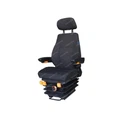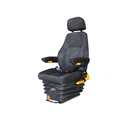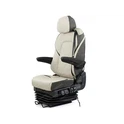


When it comes to operating cranes, the quality of the Crane Mechanical Suspension Seat is paramount. As someone with extensive experience in crane operations, I can attest to the critical role these specialized seating systems play in ensuring operator comfort, safety, and productivity. High-quality mechanical suspension seats not only enhance the operator's experience but also significantly contribute to overall equipment efficiency and operational longevity.

Essential Features of Premium Mechanical Suspension Seats
Understanding the distinguishing characteristics of high-quality seating is crucial for making informed procurement decisions. Here are the essential features to evaluate when assessing mechanical suspension seats for crane applications.
Advanced Suspension Systems
The suspension mechanism represents the core functional element of any quality seating system. A superior Mechanical Suspension Seat incorporates an advanced suspension design that effectively dampens vibrations and absorbs operational shocks.
Air Suspension Technology: Modern air suspension systems deliver exceptional comfort through adjustable firmness settings and superior shock absorption capabilities. These systems automatically adapt to operator weight and movement patterns, ensuring consistently smooth performance.
Advanced Spring Mechanisms: High-performance Mechanical Suspension Seat options utilize sophisticated spring systems that provide excellent vibration damping and long-term durability. These mechanisms are often integrated with complementary technologies to maximize comfort.
Ergonomic Design and Customization
Ergonomics play a vital role in ensuring crane operator comfort and sustained performance. A properly engineered Crane Mechanical Suspension Seat should provide comprehensive body support while offering extensive adjustment capabilities.
Adjustable Lumbar Support: Configurable lumbar support maintains proper spinal alignment, significantly reducing back pain risk and discomfort during extended operations.
Comprehensive Seat Adjustment: Premium Mechanical Suspension Seat solutions offer multiple adjustment parameters including height, tilt, and backrest angle customization. This allows operators to personalize their seating position according to individual preferences.
Advanced Cushion Design: The seating surface should be anatomically contoured to distribute weight evenly and minimize pressure points. High-density foam or memory foam constructions provide optimal long-term comfort.
Durable Construction Materials
The materials used in Crane Mechanical Suspension Seat construction directly impact both durability and comfort. High-quality mechanical suspension seats utilize robust materials engineered to withstand demanding daily use.
Premium Upholstery: Seating surfaces should feature durable materials such as industrial-grade leather or heavy-duty fabric that combine comfort with easy maintenance and cleaning.
Reinforced Frame Construction: The underlying structure should utilize high-strength materials like reinforced steel or aluminum alloys, ensuring stability and safety across diverse operating conditions.
Enhanced Functionality Features
Advanced mechanical suspension seats often incorporate additional features that improve both comfort and functionality.
Climate Control Systems: Selected models include heating and cooling mechanisms to maintain comfortable temperatures in extreme weather conditions.
Therapeutic Massage Functions: Integrated massage systems help reduce muscle tension and fatigue during prolonged operational periods.
Integrated Control Systems: Seats with built-in adjustment controls allow operators to modify their seating position without interrupting workflow.
Comprehensive Quality Assessment of Mechanical Suspension Seats
Ensuring mechanical suspension seat quality requires systematic testing and evaluation procedures. Here's a detailed examination of the testing protocols and criteria used to verify seating system quality.
Static Load Capacity Testing:
Static load testing evaluates the seat's structural capacity to support designated weights without deformation or failure. The Mechanical Suspension Seat undergoes predetermined load applications for specified durations to simulate typical usage scenarios. Testing parameters include maximum load capacity, deflection limits, and material strength verification. This ensures the Crane Mechanical Suspension Seat can safely support operator weight without compromising structural integrity.
Dynamic Performance Verification:
Dynamic performance testing assesses the seat's shock absorption and vibration damping capabilities during equipment operation.
Multiple mechanical forces including vertical, lateral, and longitudinal movements are applied to simulate real-world operating conditions.
Critical parameters such as vibration attenuation, shock absorption efficiency, and ride comfort are measured to evaluate the seat's effectiveness in reducing operator fatigue.
Durability and Endurance Assessment:
Durability testing examines the Mechanical Suspension Seat's long-term reliability under repetitive stress and continuous use.
This involves subjecting the seat to thousands of loading cycles, simulating years of operational wear. Test parameters include fatigue resistance, component wear analysis, and structural integrity verification. Through comprehensive durability testing, manufacturers identify potential weaknesses and implement design enhancements.
Material and Component Analysis:
Component-specific testing verifies the quality and performance of individual seat elements. This includes evaluating the strength, durability, and corrosion resistance of metal components such as spring systems and frame structures. Additionally, upholstery materials undergo testing for abrasion resistance, tear strength, and flame retardancy to ensure compliance with safety standards.
Environmental Condition Testing:
Environmental testing evaluates Mechanical Suspension Seat performance under various conditions including temperature extremes, humidity, and UV exposure. This ensures the Crane Mechanical Suspension Seat remains fully functional in challenging environments such as construction sites and industrial facilities. Additional testing may include chemical resistance evaluation for substances commonly encountered in operational settings.
Maintenance and Performance Optimization
Maintaining mechanical suspension seat quality requires regular inspection, proper maintenance, and prompt issue resolution. Here are essential practices to ensure optimal seating performance.
Scheduled Cleaning and Inspection
Regular cleaning and systematic inspection are fundamental for maintaining seating quality and identifying potential issues.
Cleaning Procedures: Use appropriate cleaning products for specific seat materials. Leather surfaces require specialized cleaners and conditioners, while fabric surfaces need compatible fabric cleaners.
Comprehensive Inspection: Regularly examine seats for wear indicators including upholstery damage, loose components, or cushion deterioration. Address identified issues promptly to prevent further damage.
Preventive Maintenance Protocols
Proactive maintenance extends mechanical suspension seat lifespan and ensures consistent performance.
Component Lubrication: Maintain proper lubrication of moving parts including suspension mechanisms and adjustment systems to ensure smooth operation.
Fastener Security: Periodically inspect and tighten bolts and screws that may loosen during normal operation.
Operator Training and Education
Proper operator training ensures correct seat usage and adjustment, maintaining quality and providing optimal support.
Adjustment Training: Train operators in proper seat adjustment techniques including height, tilt, and lumbar support configuration.
Usage Guidelines: Provide clear instructions for proper seat usage to prevent unnecessary wear and damage.
The quality of Crane Mechanical Suspension Seat systems directly impacts operator comfort, safety, and productivity in crane operations. High-quality mechanical suspension seats incorporate advanced suspension technology, ergonomic design principles, and durable materials to deliver superior support and performance. Through comprehensive testing, proper maintenance, and operator training, these essential components ensure optimal working conditions and equipment longevity.
References:
1. [Mechanical Suspension Seat Quality Standards];
2. [Enhancing Operator Comfort with High-Quality Seats];
3. [The Importance of Ergonomic Design in Crane Seats];
4. [Durability Testing for Suspension Seats];