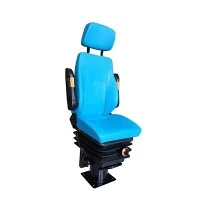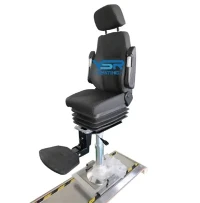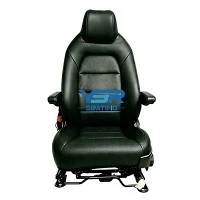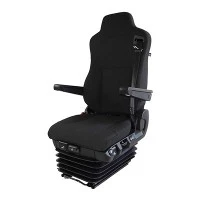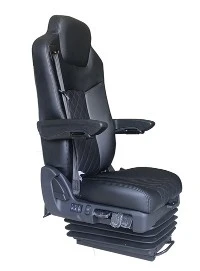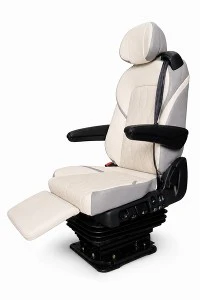


The choice of materials for Integrated Seats is pivotal in determining their performance, durability, and overall user satisfaction. These advanced seating systems combine various electronic features and components, including heating, cooling, and massage systems, with traditional seating functions. This is particularly important in specialized applications such as Agricultural Seating, where environmental challenges demand robust material solutions. Consequently, the selection of seat materials must consider not only comfort and ergonomics but also factors such as resistance to wear, temperature, and moisture.

Vinyl Fabric
Among the materials commonly used in seats, vinyl fabric has emerged as a favored option due to its distinctive properties and advantages. This makes it particularly suitable for Integrated Seats across various applications, including the demanding requirements of Agricultural Mechanical Suspension Seat systems.
Ease of Maintenance: Vinyl fabric boasts easy cleaning and maintenance, requiring minimal effort to maintain its fresh appearance. Spills and stains can be effortlessly wiped away with a damp cloth or mild soap and water, rendering vinyl fabric suitable for environments where cleanliness is paramount, such as in Agricultural Seating applications where dirt and debris are common.
Water Resistance: Inherently water-resistant, vinyl fabric is well-suited for environments prone to moisture exposure. Its ability to repel liquids prevents seepage into the fabric, thereby minimizing the risk of mold, mildew, and bacterial growth - a crucial feature for Agricultural Mechanical Suspension Seat systems operating in varied weather conditions.
Stain Resistance: This seat-use vinyl fabric is typically treated with stain-resistant coatings or finishes, rendering it impervious to common stains such as food and beverage spills, ink, and grease. This treatment preserves the fabric's appearance and extends its lifespan, making it ideal for heavy-use Agricultural Seating environments.
Variety of Designs: Available in a diverse array of colors, patterns, and textures, vinyl fabric offers designers and manufacturers the flexibility to create customized seating solutions that align with clients' aesthetic preferences or seamlessly complement existing decor in various Integrated Seats applications.
Cost-Effectiveness: Vinyl fabric is often more budget-friendly than natural materials like leather or fabric upholstery, making it a cost-effective choice for large-scale projects or applications where budget constraints are a consideration, including specialized Agricultural Mechanical Suspension Seat configurations.
Fire Resistance: Many vinyl fabrics undergo treatment with fire-retardant chemicals or additives to bolster their fire resistance properties, ensuring compliance with fire safety regulations in public spaces and industrial settings where Integrated Seats are deployed.
Why Integrated Seat Use Vinyl Fabric?
Vinyl fabric, also known as polyvinyl chloride (PVC) fabric, is a synthetic material made by coating a woven or non-woven base fabric with a layer of PVC. This coating process imparts several desirable characteristics to the fabric, making it suitable for various applications, including Integrated Seats across multiple industries.
Properties and Characteristics of Vinyl Fabric:
Durability: Vinyl fabric is highly resistant to abrasion, tearing, and punctures, making it suitable for high-wear applications like seating, particularly in demanding Agricultural Seating environments.
Moisture Resistance: The PVC coating renders vinyl fabric impervious to water, sweat, and other liquids, preventing staining and mold growth - essential for Agricultural Mechanical Suspension Seat systems exposed to field conditions.
Temperature Resistance: Vinyl fabric can withstand a wide range of temperatures, from extreme cold to high heat, without degradation or loss of performance, making it versatile for various Integrated Seats applications.
Ease of Maintenance: Vinyl fabric is easy to clean and maintain, requiring only a damp cloth or mild soap solution to wipe away spills and dirt - a practical advantage for Agricultural Seating that faces daily exposure to soil and contaminants.
Aesthetic Versatility: Vinyl fabric is available in various colors, textures, and patterns, allowing for customization and design flexibility in all types of Integrated Seats, from automotive to specialized Agricultural Mechanical Suspension Seat systems.
Applications of Vinyl Fabric in Integrated Seats
Vinyl fabric's unique properties make it well-suited for seats in various applications, where durability, moisture resistance, and temperature tolerance are essential.
Automotive Seats: Many automakers incorporate vinyl fabric in their seats, particularly in entry-level and mid-range vehicles. The fabric's resistance to wear, staining, and temperature extremes ensures long-lasting performance and low maintenance requirements in these Integrated Seats systems.
Commercial Vehicle Seats: Vinyl fabric is a popular choice for seats in commercial vehicles, such as buses, taxis, and delivery vans, where high passenger turnover and exposure to various environmental conditions demand durable and easy-to-clean materials for Integrated Seats.
Marine and Outdoor Seats: Vinyl fabric's water resistance and ability to withstand extreme temperatures make it an ideal material for seats used in marine environments, outdoor recreational vehicles, and specialized Agricultural Seating applications where weather exposure is constant.
Agricultural Equipment: The demanding conditions of farming operations make vinyl fabric an excellent choice for Agricultural Mechanical Suspension Seat systems, where resistance to moisture, chemicals, and extreme temperatures is crucial for operator comfort and equipment longevity.
Case Studies
Several automotive and seating manufacturers have successfully implemented vinyl fabric in their seat designs, demonstrating its practical applications and benefits across various sectors, including specialized Agricultural Seating applications.
A leading automaker uses vinyl fabric in the seats of their entry-level and mid-range vehicles, citing its durability, stain resistance, and low maintenance requirements as key factors in their material selection for Integrated Seats.
Agricultural equipment manufacturers have adopted vinyl fabric for their Agricultural Mechanical Suspension Seat systems, noting its exceptional performance in resisting moisture, UV degradation, and chemical exposure commonly encountered in farming operations.
Testimonials from users and manufacturers highlight the ease of cleaning, long-lasting performance, and cost-effectiveness of vinyl fabric in seat applications, particularly in challenging environments where Agricultural Seating must withstand rigorous daily use.
Vinyl fabric has emerged as a popular choice for Integrated Seats due to its unique combination of durability, moisture resistance, temperature tolerance, and ease of maintenance. While it may not offer the same level of breathability as natural fabrics, its ability to withstand wear, staining, and temperature extremes makes it an attractive option for various applications, particularly in the automotive, commercial vehicle, and agricultural industries where Agricultural Mechanical Suspension Seat systems require robust material solutions.
When selecting vinyl fabric for seats, it is essential to consider factors such as the intended use, environmental conditions, and user preferences. High-quality vinyl fabrics with improved breathability and comfort features can help mitigate potential disadvantages while providing the desired durability and low maintenance benefits, especially for specialized applications like Agricultural Seating that demand exceptional performance in challenging conditions.
Please contact us at sales@ysrseats.com to learn more about why YSR Integrated Seats use vinyl fabric.
References
• Smith, J.R. (2019). Material selection for automotive seating: A comprehensive guide. SAE International Journal of Materials and Manufacturing, 12(3), 287-302.
• Automotive Seat Manufacturers Association (ASMA). (2021). Industry best practices for integrated seat materials.
• Chen, Y., & Lee, J.W. (2020). Thermal comfort and moisture management in automotive seating materials. Textile Research Journal, 90(19-20), 2283-2298.