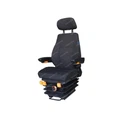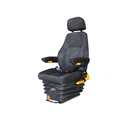


When it comes to Metro Seats, passenger safety, comfort, and durability are of utmost importance. Before these seats can be shipped to clients and installed in metro cars, they experience a thorough arrangement of tests planned to guarantee they meet the most elevated benchmarks of quality and performance.

From crashworthiness to ergonomic design, every aspect of the seat's functionality is scrutinized to guarantee a safe and comfortable ride for commuters.
Safety Tests
Safety is the top priority when it comes to Metro Seat testing. These seats must be able to withstand the most extraordinary circumstances and ensure travelers in the occasion of an emergency.
①Crashworthiness Tests: One of the most basic tests is the crashworthiness test, which simulates the affect of a collision. These tests include subjecting the situate to high-speed collisions or sudden decelerations to guarantee it can retain the drive of the affect and minimize the chance of harm to passengers. The seat's ability to remain securely anchored and its energy-absorbing capabilities are carefully evaluated.
②Fire Resistance Tests: Another crucial safety test is the fire resistance test, which assesses the seat's ability to resist the spread of fire. These tests expose the seat materials to open flames or extreme heat and measure the rate of combustion, smoke emission, and the potential for the seat to act as a fuel source. Only seats that meet stringent fire safety standards are approved for use in metro cars.
③Anti-Slip Surface Tests: To prevent passengers from slipping or falling, Metro Seats must have an anti-slip surface. These tests evaluate the coefficient of friction and traction properties of the seat's surface material under various conditions, such as wet or dry environments. Proper anti-slip performance is essential for ensuring passenger safety during sudden stops or accelerations.

Durability Tests
These seats are subjected to strongly utilize day in and day out, so it's vital that they can withstand the rigors of day by day operation over an amplified period.
①Weight Capacity Tests: These tests evaluate the seat's ability to support the weight of passengers and any additional luggage they may carry. The seats are loaded with weights that exceed the expected maximum load to ensure they can handle the stress without deforming or failing.
②Wear and Tear Tests: To simulate the wear and tear that seats endure over time, these tests subject the seats to repeated cycles of loading and unloading, simulating the constant boarding and exiting of passengers. The seats are evaluated for signs of material degradation, cracking, or loosening of components after thousands of cycles.
③Corrosion Resistance Tests: Seats are exposed to various environmental conditions, including moisture, humidity, and potential exposure to corrosive elements. Corrosion resistance tests assess the seat's ability to withstand these conditions without deteriorating or compromising its structural integrity.
Comfort Tests
While safety and durability are paramount, passenger comfort is also a critical consideration in Metro Seat design.
①Ergonomic Design Tests: These tests evaluate the seat's ergonomic features, such as lumbar support, backrest contouring, and leg room, to ensure they provide optimal support for the back, neck, and legs. Anthropometric data and biomechanical principles are used to assess the seat's ability to promote proper posture and reduce the risk of musculoskeletal discomfort during extended periods of sitting.
②Cushioning Tests: The quality and performance of the seat's cushioning materials are thoroughly tested to ensure they provide adequate support and comfort. These tests measure factors like pressure distribution, vibration dampening, and cushion resilience over time.
③Climate Control Tests: In some metro systems, seats may be equipped with climate control features to maintain a comfortable temperature for passengers. These tests evaluate the seat's ability to regulate temperature and humidity levels effectively, ensuring a pleasant and comfortable environment regardless of external weather conditions.
Other Tests
In addition to the primary safety, durability, and comfort tests, seats undergo a range of other tests to ensure they meet all necessary standards and specifications.
①Maintenance Tests: These tests assess the ease of maintenance and repair for the seats. Factors such as accessibility to components, ease of cleaning, and the availability of replacement parts are evaluated to ensure the seats can be properly maintained throughout their service life.
②Quality Control Tests: Before being shipped to customers, seats undergo a series of quality control tests to ensure they meet all design specifications, performance requirements, and regulatory standards. These tests may include dimensional checks, material inspections, and functional evaluations to identify any defects or deviations from the approved design.
By subjecting Metro Seats to this comprehensive range of tests, manufacturers can ensure that the final product not only meets but exceeds the expectations of customers and passengers alike. These rigorous testing procedures are essential for maintaining the highest levels of safety, durability, and comfort in the metro transportation industry.
To learn more about YSR seats, please contact us at sales@ysrseats.com.
References:
1. Johanning, E., Bachmann, M., Seidler, A., & Pohlabeln, H. (2013). Whole-body vibration and back disorder: a cross-sectional study of public transit bus drivers. Journal of Occupational Medicine and Toxicology, 8(1), 1-9.
2. Kuijt-Evers, L. F., Groenesteijn, L., de Looze, M. P., & Vink, P. (2004). Identifying factors of comfort in using hand tools. Applied Ergonomics, 35(5), 453-458.
3. Mackie, R. R., O'Hanlon, J. F., & McCauley, M. (1974). A study of heat, noise, and vibration in relation to driver performance and physiological status. Human Factors in Transport Research, 2, 257-285.