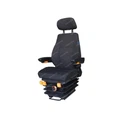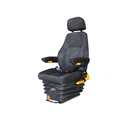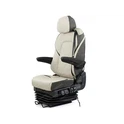


Marine seats, also known as boat seats or yacht seats, are essential components found on various watercraft vessels. The reason of these seats is to give passengers and team individuals with support and comfort whereas they are on the water. The seat material is crucial in ensuring durability, resistance to harsh environmental conditions, and overall safety.

Common materials:
Marine seat vinyl fabric: Marine vinyl, also known as marine-grade vinyl, is one of the most popular materials used for boat seats. It is a manufactured texture made of polyvinyl chloride (PVC). It is secured in a defensive layer that makes it more resistant to water, UV beams, buildup, and other components of the environment. Since marine vinyl comes in a wide assortment of colors and designs, it can be utilized for both viable and tasteful purposes.

Marine-Grade Fabric: Marine-grade fabrics, such as Sunbrella and Outdura, are designed specifically for outdoor use and are highly resistant to fading, mildew, and moisture. These fabrics are typically made from solution-dyed acrylic fibers, which ensure that the color remains vibrant even after prolonged exposure to sunlight and saltwater. Marine-grade fabrics offer excellent breathability and are often used for cushions, upholstery, and canopy covers.
Leatherette: Leatherette, too alluded to as marine-grade vinyl leather, is a engineered fabric that takes after honest to genuine leather in both appearance and surface. Due to its toughness, ease of care, and resistance to water and UV beams, it is a popular seat option. Leatherette can be treated with extra coatings to make strides its resistance to stains and scraped spot and is accessible in a assortment of colors.
Genuine Leather: Indeed in spite of the fact that veritable Leather is more costly and requires more upkeep, it is still utilized in a few high-end vessels and yachts.

Leather offers a luxurious and classic appearance and can be treated with specialized coatings to improve its resistance to water, UV rays, and saltwater. However, it requires regular conditioning and maintenance to prevent cracking and fading.
Marine-Grade Foam: Marine-grade foam is often used as the cushioning material for seats. It is planned to be water-resistant, mildew-resistant, and able of keeping up its shape and thickness indeed in cruel natural conditions. Marine-grade foam is available in various densities, allowing for customization based on desired comfort levels and weight-bearing requirements.
Advantages and Disadvantages of Different Materials
The utilization of Marine seats comes with its own set of pros and cons, which should be carefully considered in accordance with individual needs and preferences.
Marine seat vinyl fabric Vinyl:
Advantages:
- Highly durable and resistant to water, UV rays, and mildew
- Easy to clean and maintain
- Available in a wide range of colors and patterns
- Cost-effective
Disadvantages:
- Can become hot and uncomfortable in direct sunlight
- May crack or fade over time with prolonged exposure to harsh conditions
Marine-Grade Fabric:
Advantages:
- Excellent resistance to fading, mildew, and moisture
- Breathable and comfortable
- Wide variety of colors and patterns
Disadvantages:
- More expensive than marine vinyl
- Susceptible to staining and may require more frequent cleaning
Leatherette:
Advantages:
- Durable and water-resistant
- Easy to clean and maintain
- Provides a leather-like appearance at a lower cost
Disadvantages:
- May crack or peel over time with prolonged exposure to sunlight and heat
- Limited color and pattern options compared to marine vinyl or fabrics
Genuine Leather:
Advantages:
- Luxurious appearance and feel
- Can be treated for improved water and UV resistance
- Durable and long-lasting with proper care
Disadvantages:
- Expensive
- Requires regular conditioning and maintenance
- Susceptible to fading, cracking, and water damage if not properly cared for
Marine-Grade Foam:
Advantages:
- Water-resistant and mildew-resistant
- Maintains shape and density over time
- Available in various densities for customized comfort
Disadvantages:
- Can be more expensive than regular foam
- May require specialized cleaning and maintenance
How to choose the right materials for a specific purpose?
When selecting the appropriate material for your Marine seat, it is essential to consider several factors to ensure that you make an informed decision that meets your specific needs. Here are some key considerations:
Usage and Environment: Evaluate the intended use of your boat and its exposure to environmental conditions. For example, if you plan to use your boat primarily in saltwater environments or under direct sunlight, materials like marine vinyl or marine-grade fabrics would be more suitable due to their resistance to saltwater, UV rays, and fading.
The level of comfort and breathability required for your seats should be considered. If you plan to spend extended periods on your boat, materials like marine-grade fabrics or genuine leather may provide better comfort and breathability compared to marine vinyl or leatherette.
Maintenance and Cleaning: Assess the level of maintenance and cleaning you are willing to undertake. Marine vinyl and leatherette are generally easier to clean and maintain than genuine leather or marine-grade fabrics, which may require more frequent conditioning or specialized cleaning products.
Define your budget and prioritize the most important factors for your needs. Marine vinyl and leatherette are typically more cost-effective options, while marine-grade fabrics and genuine leather offer additional benefits in terms of durability, comfort, and aesthetics.
Aesthetics and Style: Consider the overall aesthetic you wish to achieve for your boat's interior. Marine vinyl and marine-grade fabrics offer a wide range of colors and patterns, allowing you to customize the look and feel of your seats. Genuine leather and leatherette can provide a more classic and luxurious appearance.
Durability and Longevity: Evaluate the expected lifespan of your boat and consider materials that offer long-term durability. Marine-grade materials are designed to withstand harsh environmental conditions, ensuring that your seats maintain their quality and appearance over time.
By carefully considering these factors and weighing the advantages and disadvantages of each material, you can make an informed decision that meets your specific needs and preferences for your Marine seat.
To learn more about YSR seats, please contact us at sales@ysrseats.com.
References:
1. Bew, R. (2015). Marine Upholstery: A Guide to Durable Outdoor Materials. International Marine Publishing.
2. Cosmetic Repair News. (2021). Marine Vinyl vs. Marine Leather: Which is Better for Boat Seats? 3. Dun, D. (2018). Choosing the Right Marine Upholstery Fabric. Boat Trader.
3. Krueger, K. (2021). Marine Fabrics: A Complete Guide. Sailrite.
4. Strauss, H. (2020). Upholstery Materials for Boats and Yachts. Boatus.