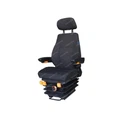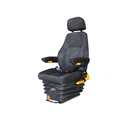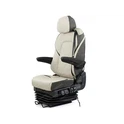


Basic components of boat driver seat structure
The structure of boat driver Seats is designed to provide comfort, support, and safety during navigation. While specific designs may vary, most boat driver seats share several basic components:

① Seat base: The foundation of the seat, is typically made of sturdy materials like fiberglass, aluminum, or marine-grade plastic. The seat base is securely mounted to the boat's deck or console.

② Seat cushion: The padded portion where the driver sits, often constructed with high-density foam or other cushioning materials. The seat cushion serves the purpose of minimizing fatigue and providing comfort during extended operating periods.
③ Backrest: A supportive structure located behind the seat cushion, providing lumbar support and helping maintain proper posture. The backrest may be adjustable to accommodate different driver preferences and body types.
④ Armrests: These are usually located on either side of the seat and provide extra comfort and support so that the driver may rest their arms comfortably while driving.

⑤ Swivel mechanism: Many driver boat seats are equipped with a swivel mechanism, enabling the seat to rotate horizontally. This feature facilitates easy entry and exit, as well as improved visibility when navigating or docking.
⑥ Slide mechanism: Some seats incorporate a slide mechanism, allowing the seat to move forward or backward. This adjustment capability ensures optimal positioning for drivers of different heights and reach preferences.

⑦ Mounting hardware: Sturdy mounting hardware, such as bolts, brackets, or pedestals, securely attaches the seat to the boat's structure, ensuring stability and safety during operation.
⑧ Upholstery: The outer covering of the seat, often made from marine-grade vinyl or other weather-resistant materials, protects the cushioning and enhances the seat's durability and easy cleaning.
These components work together to create a comfortable, functional, and secure seating environment for the boat driver, enhancing the overall operating experience.
Structural Differences
While the basic components of boat driver seats remain similar across various vessel types, there are notable structural differences to accommodate specific requirements and operational conditions:
① Recreational boats: Driver seats on smaller recreational boats, such as runabouts, bowriders, or pontoon boats, tend to be more compact and streamlined. These seats often feature a minimalist design with basic cushioning and support, prioritizing space efficiency and ease of movement.
② Fishing boats: Seats on fishing boats are designed with durability and functionality in mind. They may feature higher backrests, reinforced bases, and additional storage compartments or rod holders integrated into the seat structure.
③Performance boats: High-speed performance boats, such as offshore racing vessels, require driver seats with enhanced lateral support and secure restraint systems. These seats are designed to hold the driver in place during high-speed turns and rough water conditions.
④ Commercial vessels: Driver seats on larger commercial vessels, like tugboats or supply ships, are typically more robust and heavy-duty. They often incorporate additional features like suspension systems to absorb shocks and vibrations, as well as adjustable components for improved ergonomics during extended operations.
⑤ Luxury yachts: In the realm of luxury yachts, driver seats may incorporate high-end materials, such as premium leathers or exotic woods, reflecting the overall opulent design aesthetic. These seats may also include advanced features like heating, ventilation, or massage functions for added comfort.
⑥ Military vessels: Driver seats on military vessels prioritize functionality, durability, and safety. These seats are typically designed to withstand extreme conditions and may incorporate specialized features like shock-mitigating systems or blast-resistant materials.
Regardless of the vessel type, the structural design of the boat seat aims to provide an optimal balance of comfort, support, and functionality tailored to the specific operational requirements and environmental conditions.
Driver boat seats Design Considerations
When designing and manufacturing boat driver seat structures, several important factors must be considered to ensure safety, comfort, and optimal performance:
①Ergonomics: The seat structure should be ergonomically designed to support the driver's body in a comfortable and natural position, reducing fatigue and minimizing the risk of musculoskeletal disorders.
② Visibility: The seat's positioning and height should allow for unobstructed visibility of the surrounding waters, navigation aids, and instrumentation, ensuring safe and efficient operation.
③ Durability: Boat driver seats must be constructed with high-quality, weather-resistant materials that can withstand exposure to saltwater, UV radiation, and extreme temperatures, ensuring long-lasting performance in marine environments.
④ Safety: The seat structure should incorporate safety features like secure mounting systems, non-slip surfaces, and stable bases to prevent accidents or injuries during operation.
⑤ Adjustability: Adjustable components, such as swivel mechanisms, slide mechanisms, and recline adjustments, accommodate drivers of different sizes and preferences, promoting optimal comfort and control.
⑥ Shock and vibration absorption: Effective shock and vibration dampening systems, such as suspension systems or cushioned bases, can help reduce fatigue and improve overall comfort during extended periods of operation.
⑦ Maintenance and cleaning: The seat structure should be designed for easy maintenance and cleaning, with removable or washable upholstery and accessible components for inspection and repair.
⑧ Compliance with regulations: Boat driver seat designs must comply with relevant safety and performance standards set by regulatory bodies, ensuring adherence to industry best practices and legal requirements.
In careful consideration of these design elements, manufacturers such as YSR can construct driver boat seats that seamlessly blend comfort, functionality, and safety, thereby enhancing the boating experience for drivers across a wide range of vessel types.
To learn more about YSR seats, please contact us at sales@ysrseats.com.
References:
1. "Ergonomic Design for Boat Seating" by the American Boat and Yacht Council (ABYC), 2021.
2. "Marine Seat Design and Construction: A Guide for Manufacturers" by the National Marine Manufacturers Association (NMMA), 2019.
3. "Safety and Performance Standards for Boat driver seats" by the U.S. Coast Guard, 2022.
4. "Shock and Vibration Mitigation in Boat Seating Systems" by the Society of Naval Architects and Marine Engineers (SNAME), 2020.
5. "Materials Selection and Durability Considerations for Marine Seating" by the International Marine Certification Institute (IMCI), 2018.