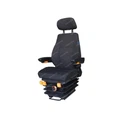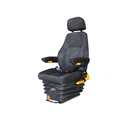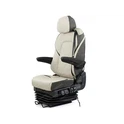


Operating a forklift demands precision, safety, and comfort, particularly during extended shifts. The Forklift Static Seat represents a crucial component often overlooked in equipment optimization. Unlike dynamic suspension seating systems, static seats maintain fixed positioning relative to the vehicle's movement while providing essential stability and postural support. Based on extensive industry experience, understanding the significance and proper implementation of static seating can substantially impact operator productivity and long-term physical wellbeing.

Essential Characteristics of Effective Static Seating
Recognizing the fundamental features that define effective static seating is vital for selecting appropriate seating solutions for forklift applications. When evaluating static seating options, consider these critical elements:
Ergonomic Design Principles
While ergonomic design remains essential for all forklift seating, it becomes particularly crucial for static configurations. Since these seats maintain fixed positions, they must deliver consistent anatomical support to prevent operator discomfort and musculoskeletal injury.
Lumbar Support Systems: Proper lumbar support maintains natural spinal curvature, significantly reducing back pain risk. A quality Forklift Static Seat with adjustable lumbar mechanisms enables operators to customize support according to individual physiological requirements, ensuring optimal comfort and postural alignment.
Advanced Cushion Technology: High-density foam or adaptive cushioning materials provide superior support while minimizing pressure points. These specialized cushioning systems distribute operator weight evenly, substantially reducing discomfort during prolonged operational periods.
Adjustability Features: Although maintaining fixed positioning, premium static seats should incorporate adjustment capabilities including seat height and backrest angle modification. This adaptability allows operators to achieve ideal seating positions for maximum comfort and support, similar to adjustments found in modern Agricultural Driver Seat configurations.
Durable Material Construction
Durability represents another critical consideration when selecting industrial seating solutions. The Forklift Static Seat must withstand rigorous daily use in demanding industrial environments.
Heavy-Duty Upholstery: Seating surfaces should feature durable materials resistant to wear, such as industrial-grade vinyl or reinforced fabrics. These materials should also facilitate easy cleaning and maintenance, similar to requirements for Agricultural Driver Seat applications in challenging environments.
Reinforced Structural Frames: Seat frameworks should utilize high-strength materials like reinforced steel or engineered polymers to ensure they withstand daily operational stresses without structural compromise.
Quality Manufacturing Standards: Overall construction quality, including reinforced stitching and durable component assembly, significantly influences seating longevity and performance reliability.
Integrated Safety Systems
Safety remains paramount in forklift operations, with seating playing a vital role in operator protection.
Seat Belt Integration: Integrated seat belt systems are essential for securing operators, particularly during sudden stops or accident scenarios. Belt systems should feature user-friendly adjustment mechanisms accommodating diverse operator sizes.
Anti-Slip Surface Technology: Specialized surface materials prevent operator slippage during vehicle operation, particularly important when frequent mounting and dismounting occurs.
Fire Resistance Properties: Selected models incorporate flame-retardant materials, providing additional protection in environments with potential fire hazards, a feature sometimes shared with specialized Agricultural Driver Seat designs.
Optimal Implementation Practices for Static Seating
Maximizing Forklift Static Seat benefits requires adherence to established usage and maintenance protocols. These practical recommendations, drawn from operational experience, help ensure long-term seating comfort and functionality.
Systematic Inspection and Maintenance
Regular inspection and maintenance protocols are essential for preserving seating condition and ensuring continued support and safety.
Wear Pattern Monitoring: Conduct regular inspections for wear indicators including upholstery damage, component fatigue, or cushioning deterioration. Address identified issues promptly to prevent further degradation and maintain seating integrity.
Cleaning Procedures: Maintain seating cleanliness through regular wiping with damp cloths and mild detergents. For stubborn stains, utilize appropriate cleaning solutions compatible with seat materials. Proper cleaning extends seating lifespan and preserves appearance.
Component Lubrication: Despite limited moving components, lubricate adjustable mechanisms periodically to prevent corrosion and ensure smooth operation, similar to maintenance requirements for Agricultural Driver Seat systems.
Proper Adjustment Protocols
Correct seating adjustment and usage significantly enhance operator comfort and safety.
Height Adjustment: Configure Forklift Static Seat height to position operators with knees at approximately 90-degree angles and feet flat on surfaces. This positioning promotes proper posture and reduces lower extremity strain.
Backrest Configuration: Adjust backrest angles to support spinal alignment without forcing excessive forward or backward leaning. Slightly reclined positions typically provide optimal comfort and support.
Seat Belt Utilization: Ensure consistent seat belt usage to secure operators during operation. This critical safety feature prevents injury during sudden stops or accident scenarios.
Comprehensive Operator Training
Proper operator education ensures correct static seat usage and feature utilization.
Adjustment Education: Train operators in proper seat height, backrest angle, and lumbar support adjustment techniques. Correct customization significantly enhances comfort and reduces injury potential, similar to training approaches for Agricultural Driver Seat operations.
Safety Emphasis: Reinforce the importance of seat belt usage and proper operational posture. Appropriate seating position helps prevent fatigue and injury during extended shifts.
Regular Training Updates: Conduct periodic refresher training sessions reinforcing proper static seat usage. Continuous education helps maintain awareness of adjustment protocols and safety measures.
The Strategic Value of Static Seating Systems
In conclusion, static seating systems play an indispensable role in forklift operations by providing stability, reducing operator fatigue, and delivering cost-effective, low-maintenance seating solutions. Based on operational experience, maximizing static seat benefits requires selecting high-quality products featuring ergonomic design, durable materials, and essential safety features.
Regular inspection and maintenance, proper adjustment and usage, and comprehensive operator training are fundamental to ensuring long-term Forklift Static Seat comfort and functionality. By implementing these established practices, organizations can enhance forklift operator comfort and safety, contributing to more efficient and productive work environments.
While static seating may not provide the same vibration dampening as suspension systems, their stability and support make them invaluable for numerous forklift applications. Through investment in quality static seating and proper implementation protocols, operators receive comfortable, safe seating solutions that enhance overall performance and wellbeing, similar to benefits achieved through proper Agricultural Driver Seat selection and use.
To learn more about YSR seats, please contact us at sales@ysrseats.com.
References:
1. [Forklift Ergonomics: Improving Operator Comfort]
2. [The Importance of Seat Quality in Forklift Safety]
3. [Maintaining Forklift Seats: Best Practices]