

When it comes to operator comfort and productivity in agricultural and industrial machinery, the quality of the seat suspension system plays a crucial role. Whether you're operating a tractor for 12-hour shifts or maneuvering heavy construction equipment across rough terrain, the right suspension technology can make the difference between a comfortable workday and chronic fatigue. This article examines the key differences between conventional suspension and air suspension systems, helping you make an informed decision for your seating needs.
What Is Conventional Suspension?
Conventional suspension systems rely on mechanical components such as steel springs, shock absorbers, and dampers to reduce vibrations and impacts. These traditional systems use fixed spring rates and predetermined dampening characteristics to provide a baseline level of comfort. While they have served the industry for decades, conventional suspension systems come with inherent limitations.
The primary advantages of conventional suspension include lower initial costs and simpler maintenance procedures. However, these systems offer limited adjustability and cannot adapt to different operator weights or varying terrain conditions. Over time, the mechanical components can wear down, leading to reduced comfort and increased maintenance requirements.
What Is Air Suspension?
Air suspension technology represents a significant advancement in seating comfort and functionality. Instead of relying solely on mechanical springs, air suspension systems utilize pressurized airbags that can be adjusted to accommodate different weights, preferences, and operating conditions. This technology allows for real-time adjustments and superior shock absorption capabilities.
The airbag system works by using compressed air to provide cushioning and support. Operators can adjust the firmness and height of their seat according to their specific needs, creating a personalized seating experience that adapts to both the operator and the working environment.

Air Suspension vs. Conventional Suspension: A Comparative Analysis
- Comfort and Vibration Control
Air suspension systems excel in reducing vibrations and minimizing the transmission of shock from rough terrain to the operator. The adjustable nature of airbags allows for optimal dampening across various frequency ranges, significantly reducing operator fatigue during extended work periods.
- Durability and Longevity
While conventional systems may experience spring fatigue and component wear over time, air suspension systems maintain their performance characteristics longer when properly maintained. The absence of metal-on-metal contact in critical areas reduces wear and extends the overall lifespan of the suspension system.
- Adjustability and Customization
The standout feature of air suspension is its adjustability. Operators of different weights can easily modify the seat settings to achieve optimal support and comfort. This adaptability also allows for fine-tuning based on specific tasks or terrain conditions.
- Maintenance Considerations
Air suspension systems require proper air pressure monitoring and occasional seal maintenance, but these requirements are generally offset by reduced wear on mechanical components and longer overall service life.
Why Choose Air Suspension? Key Advantages
Air suspension technology offers compelling benefits for operators who spend significant time in their seats. Enhanced comfort translates directly to improved productivity and reduced health issues associated with prolonged vibration exposure. The adjustability factor ensures that multiple operators can use the same equipment while maintaining optimal comfort levels.
For agricultural applications, construction work, and commercial vehicle operations, air suspension provides superior adaptability to varying loads and terrain conditions. The investment in air suspension technology typically pays dividends through reduced operator turnover, decreased sick leave, and improved overall job satisfaction.
Introducing YSR's Air Ride Tractor Seat YSR214-1P
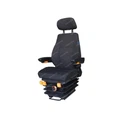
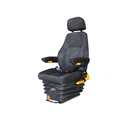
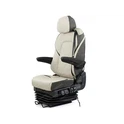
As a practical example of advanced air suspension technology, YSR's Air Ride Tractor Seat YSR214-1P demonstrates the benefits of modern seating solutions. This seat features comprehensive adjustability including headrest positioning, backrest angle, and slide rail configuration to accommodate operators of various sizes.
The weight-adaptive airbag system automatically adjusts to provide optimal support, while the robust construction using PVC upholstery, powder-coated steel framework, and high-resilience sponge ensures long-lasting durability. The seat meets ISO9001 quality standards and comes with full OEM & ODM customization support to meet specific application requirements.

Who Can Benefit from Air Suspension Seats?
Air suspension seats provide significant benefits for operators of tractors, forklifts, lawn mowers, excavators, and heavy construction machinery. YSR, a leading source factory for driver seats, supplies to over 150 countries across 15+ sectors, including commercial vehicles, engineering machinery, and agricultural machinery.
Industries That Benefit Most:
- Agricultural machinery operations
- Construction and earthmoving equipment
- Warehousing and material handling
- Commercial transportation
- Landscaping and grounds maintenance
Why Choose YSR as Your Seating Supplier
YSR offers factory-direct pricing that eliminates middleman markups while providing expert R&D support and comprehensive customer service. The company's wide product range and one-stop service capability streamline procurement processes, while customization capabilities address unique application requirements.
YSR Company Advantages:
Experience: Over 15 years specializing in ergonomic seating solutions
Quality Assurance: ISO9001 certified manufacturing processes
Global Reach: Serving customers in 150+ countries worldwide
Flexibility: 1-piece minimum orders with full customization support
Frequently Asked Questions (FAQ)
Q: What is the main advantage of an air suspension seat? A: The primary advantage of Air Ride Tractor Seat is superior vibration damping and weight-adaptive comfort, which significantly reduces operator fatigue during long shifts compared to mechanical suspension systems.
Q: Are air suspension seats worth the investment? A: Yes, for operators spending extended hours in machinery, the investment in air suspension pays off through improved productivity, reduced health risks, and higher job satisfaction.
Q: What is the weight capacity of the YSR214-1P air ride seat? A: The YSR214-1P model has a maximum load capacity of 120 kg, with a seating surface of 50 x 50 cm.
Q: How does air suspension compare to mechanical suspension for durability? A: Air suspension systems typically last longer than mechanical systems due to reduced component wear and consistent performance characteristics over time.

Making the Right Choice
While conventional suspension systems may suffice for basic applications, air suspension technology clearly offers superior performance for demanding operational environments. The initial investment in air suspension pays dividends through improved operator comfort, reduced fatigue, enhanced productivity, and lower long-term health costs.
For fleet managers and equipment operators serious about maximizing comfort and productivity, air suspension represents the logical choice. The technology's maturity, proven benefits, and widespread adoption across industries confirm its value proposition.
Contact YSR for Tailored Seating Solutions
Ready to upgrade your seating experience? YSR's team of experts is available to help you select the perfect Air Ride Tractor Seat solution for your specific needs.
Contact Information:
Phone: +86-029-81136503
Email: sales@ysrseats.com
WhatsApp: +86-13991337062
WeChat: 18992819914
Experience the difference that professional-grade air suspension seating can make in your daily operations. Contact YSR today to discuss your requirements and discover customized solutions that enhance comfort, productivity, and operator satisfaction.