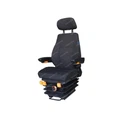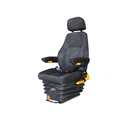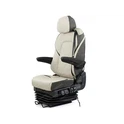


In the world of rail transportation, the locomotive seat represents far more than a simple place to sit. This specialized piece of equipment serves as the critical interface between train operator and machine-a precisely engineered command center designed to support drivers through demanding shifts while ensuring optimal vehicle control. Whether installed in high-speed passenger trains, heavy-duty freight locomotives, metro systems, or diesel engines, the locomotive seat combines advanced ergonomics, robust construction, and rail-specific features to create a workspace that prioritizes both safety and operator well-being.
Beyond the Chair: Understanding Modern Locomotive Seating
Today's mechanical suspension seats are marvels of engineering that address the unique challenges faced by train operators. Unlike standard office chairs or automotive seating, these specialized seats must withstand constant vibration, accommodate extended periods of stationary operation, and provide the stability needed for precise control of massive rail vehicles.
Core Features That Define Excellence
The suspension system forms the heart of any quality mechanical suspension seat. This sophisticated mechanism actively isolates operators from the harsh vibrations and shocks transmitted through the train chassis during operation. By absorbing these forces, the suspension system dramatically reduces operator fatigue and maintains the focus required for safe rail operations over shifts that often extend many hours.

Comprehensive adjustability distinguishes professional locomotive seating from generic alternatives. Modern designs incorporate weight adjustment mechanisms calibrated for operators ranging from 40 to 130 kilograms, ensuring optimal suspension performance regardless of body type. Height adjustment allows drivers to achieve perfect sightlines through cab windows, while backrest angles ranging from 55 to 180 degrees accommodate both active driving postures and rest positions during extended journeys. Additional features include fore-and-aft sliding for legroom optimization, adjustable headrests for neck support, and 360-degree rotation capability that enhances visibility during complex maneuvering operations.
Rail-specific design elements further separate these seats from standard industrial seating. Locomotive-specific mounting bases ensure secure attachment to train cabin floors, accommodating the unique vibration profiles and structural requirements of rail vehicles. Double armrests provide stability and support during acceleration and braking events, while high-back profiles deliver comprehensive spinal support during long shifts. Many designs integrate control interfaces directly into armrest structures, positioning essential switches and buttons within easy reach without requiring operators to shift from optimal driving positions.
The YSR911-44: Engineering Excellence in Practice
The YSR911-44 exemplifies modern locomotive seat design, incorporating decades of rail industry experience into a comprehensive seating solution. With dimensions of 500×1080×485 millimeters, this seat fits comfortably within standard locomotive cab spaces while providing generous operator accommodation.
Material selection reflects the demanding environment of rail operations. Operators can choose between durable composite knit fabrics that provide breathability during warm weather operation or premium leather upholstery that offers easy cleaning and professional appearance. Both options deliver the durability required for years of continuous service in harsh operating conditions.
ISO9001 certification demonstrates manufacturing quality that meets international standards, providing rail operators confidence in long-term reliability and performance consistency. Customizable color options allow fleet managers to maintain brand consistency across rolling stock while accommodating operator preferences or visibility requirements specific to different rail services.

The versatility of mechanical suspension seats like the YSR911-44 extends across the full spectrum of rail applications. High-speed passenger train operators benefit from vibration isolation that maintains comfort at velocities exceeding 300 kilometers per hour. Subway drivers appreciate precise adjustability that accommodates frequent station stops and door operation tasks. Freight locomotive engineers rely on the robust construction and extended comfort features during long-haul operations. This adaptability makes quality locomotive seating a universal requirement across the rail industry.
The Business Case for Quality Seating
Investing in proper locomotive seat systems delivers measurable benefits that extend well beyond operator comfort. From a human factors perspective, ergonomic seating directly reduces the risk of musculoskeletal disorders that commonly affect train operators-conditions that generate significant healthcare costs and lost productivity through sick leave and disability claims.
Safety implications prove equally compelling. Fatigued operators demonstrate reduced reaction times, impaired decision-making, and decreased vigilance-factors that directly correlate with accident risk. By maintaining operator alertness and comfort throughout shifts, quality mechanical suspension seating contributes measurably to overall rail safety performance.
Economic considerations favor quality as well. While premium locomotive seating requires higher initial investment than basic alternatives, the lifecycle cost equation strongly favors durability and reliability. Seats engineered for rail service typically deliver 10-15 years of continuous operation with minimal maintenance, while inferior products may require replacement within 3-5 years. Installation downtime, replacement parts, and the hidden costs of operator discomfort make cheap seating an expensive proposition over the operational lifetime of rolling stock.

Customization capabilities through OEM and ODM manufacturing partnerships enable rail operators to optimize seating for specific applications. Whether adapting mounting systems for vintage locomotive restoration projects, incorporating specialized control interfaces for new train designs, or matching upholstery to corporate brand standards, flexible manufacturing approaches ensure perfect integration with diverse fleet requirements.
Conclusion: Elevating Rail Operations Through Superior Seating
The locomotive seat stands as an essential component of modern rail infrastructure-a carefully engineered solution that protects operator health, enhances safety, and contributes to operational efficiency. As rail transportation continues expanding globally, the importance of quality operator interfaces only increases. Forward-thinking rail operators and rolling stock manufacturers recognize that investing in superior seating solutions delivers returns measured in reduced injury rates, improved safety records, enhanced operator satisfaction, and lower total cost of ownership.
Ready to upgrade your fleet? YSR Seating specializes in precision-engineered locomotive seats designed for the demanding requirements of modern rail operations. With direct factory pricing, comprehensive OEM/ODM customization support, and proven ISO9001 quality standards, we deliver seating solutions that perform reliably for years of continuous service.
Contact YSR Seating today:
📞 Phone: +86-029-81136503
✉️ Email: sales@ysrseats.com
💬 WhatsApp: +86-13991337062
🔗 WeChat: 18992819914
Discover how professional-grade seating transforms operator experience and fleet performance across all rail applications.