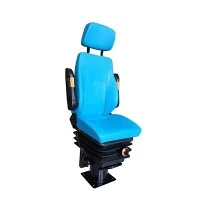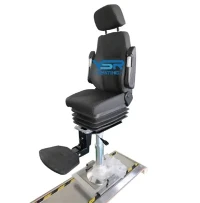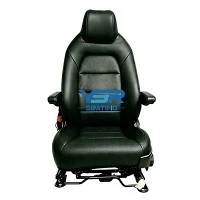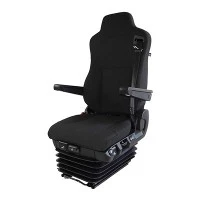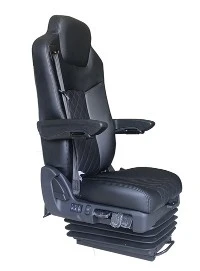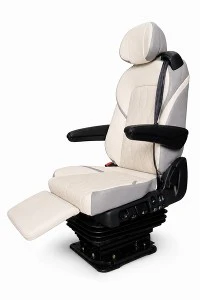


bus driver seat cushions
The seat cushions are a basic component of the transport driver's seat, as they play a imperative part in giving consolation and back amid long hours of driving. Transport drivers regularly spend amplified periods sitting, which can lead to distress, weakness, and potential wellbeing issues if the seat cushions are not outlined and developed properly.
Bus driver seat cushions are regularly made from high-density froth materials, such as polyurethane or memory froth. These materials are chosen for their capacity to equally disperse the driver's weight, diminish weight focuses, and give satisfactory padding for drawn out sitting periods.

One of the key highlights of transport driver seat cushions is their multi-layered development. The cushions regularly comprise of a base layer made of firm, high-density froth, which gives by and large bolster and strength. On beat of this base layer, there is a gentler, more acclimating froth layer that forms to the driver's body shape, advancing appropriate weight conveyance and lessening weight points.
Some progressed seat cushions moreover consolidate gel or air-filled embeds, which encourage upgrade consolation and weight help. These embeds can be deliberately put in regions inclined to tall weight, such as the thighs and buttocks, making a difference to minimize the chance of inconvenience or deadness amid expanded sitting periods.
Another vital perspective of transport driver seat cushions is their breathability and moisture-wicking properties. Sitting for long periods can lead to sweat and dampness buildup, which can cause distress and possibly make an environment for bacterial development. Numerous present day seat cushions are outlined with breathable, moisture-wicking textures or materials that offer assistance scatter warm and dampness, keeping the driver cool and dry.
Regular support and cleaning of transport driver seat cushions are too fundamental to guarantee their life span and viability. Over time, cushions can gotten to be compressed or worn, diminishing their capacity to give satisfactory bolster and consolation. Producers regularly give rules for pad substitution interims or suggest intermittent reviews to guarantee the cushions stay in ideal condition.
Bus driver seat suspension
The suspension system in a bus driver's seat is a crucial component designed to absorb shocks and vibrations, enhancing the driver's comfort and safety. Bus drivers are subjected to various road conditions, including potholes, speed bumps, and uneven surfaces, which can transmit jarring forces through the vehicle's chassis and into the seat.
Most bus driver seat suspensions utilize either air suspension or mechanical suspension systems, or a combination of both. Air suspension systems employ air-filled bladders or air cylinders that act as shock absorbers, cushioning the seat against impacts and vibrations. These systems can often be adjusted to suit the driver's weight and preferences, providing customizable ride comfort.
Mechanical suspension systems, on the other hand, rely on a combination of springs, dampers, and linkages to absorb and dissipate shocks and vibrations. These systems are known for their durability and low maintenance requirements but may not offer the same level of adjustability as air suspension systems.
Regardless of the type of suspension system used, the primary goal is to isolate the driver from the harsh vibrations and shocks that can lead to fatigue, discomfort, and potential long-term health issues such as back pain and musculoskeletal disorders.
Effective suspension systems in bus driver seats suspension also contribute to improved vehicle control and safety. By minimizing the transmission of jarring forces to the driver's body, these systems help reduce driver fatigue and maintain alertness, ultimately reducing the risk of accidents.
In addition to the suspension system itself, many bus driver seats incorporate additional features to enhance comfort and vibration dampening. These may include adjustable lumbar support, ergonomic backrests, and even active or semi-active suspension systems that automatically adapt to changing road conditions.
Seat back
The seat back is a critical component of the bus driver's seat, providing essential support and comfort during long hours of driving. A well-designed seat back can help promote proper posture, reduce strain on the spine and back muscles, and prevent discomfort or fatigue.
Most bus driver seat backs are contoured and ergonomically shaped to follow the natural curvature of the human spine. This design helps distribute the driver's weight evenly across the back, reducing pressure points and minimizing the risk of muscle strain or discomfort.
Many seat backs also feature adjustable lumbar support, which allows the driver to customize the level of lower back support to their personal preferences and body type. This adjustability is crucial, as improper lumbar support can lead to lower back pain, muscle strain, and potential long-term issues if not addressed.
In addition to lumbar support, some seat backs incorporate advanced features such as built-in ventilation or heating systems. These features can help regulate the driver's body temperature and promote comfort during extreme weather conditions or extended driving periods.
The materials used in bus driver seat backs are also carefully selected for their durability, breathability, and comfort. Common materials include high-quality fabrics, perforated leathers, or mesh materials that allow air circulation and moisture-wicking, helping to keep the driver cool and dry.
Proper headrest design is another important aspect of the seat back. Well-designed headrests can help support the head and neck, reducing the risk of whiplash or strain during sudden stops or collisions. Many bus driver seat backs feature adjustable or retractable headrests to accommodate drivers of different heights and preferences.
Regular maintenance and inspection of the seat back are essential to ensure its longevity and effectiveness. Over time, the seat back materials and mechanisms can wear down, potentially compromising support and comfort. Manufacturers often provide guidelines for seat back maintenance and recommend periodic replacements or repairs to maintain optimal performance.
To learn more about YSR seats, please contact us at sales@ysrseats.com.
References:
1. "Ergonomic Design and Vibration Mitigation in Bus Driver Seating" by the Society of Automotive Engineers (SAE), 2021.
2. "Bus Driver Seat Cushion Materials and Construction" by the National Institute for Occupational Safety and Health (NIOSH), 2019.
3. "Air Suspension Systems for Commercial Vehicle Seating" by the American Trucking Associations (ATA), 2020.
4. "Lumbar Support and Posture in Bus Driver Seating" by the National Highway Traffic Safety Administration (NHTSA), 2018.
5. "Seat Back Design and Materials for Long-Haul Bus Drivers" by the International Association of Public Transport (UITP), 2022.