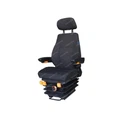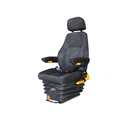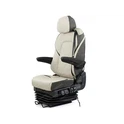


The captain's seat is crucial to the operator's comfort, safety, and overall well-being in the maritime industry. A properly designed and adjustable marine captain's seat can significantly enhance the captain's performance, reduce fatigue, and prevent potential injuries during long voyages. This article will explore the various adjustments available in modern marine captain seats, allowing captains to customize their seating experience for optimal ergonomics and efficiency.

How to adjust the seat height to obtain the best driving posture and field of vision?
Proper seat height is essential for maintaining good posture and maximizing visibility from the captain's chair. Most marine captain seats feature a height adjustment mechanism, typically a pneumatic or mechanical lever, that allows the seat to be raised or lowered to the desired position. By altering the seat stature, captains can guarantee that their line of sight is level with the horizon, giving an unhampered see of the encompassing waters and any potential deterrents or hazards.
Additionally, the rectify situate stature plays a significant part in decreasing strain on the lower back, shoulders, and neck. When the situate is set at the suitable tallness, the captain's thighs are around parallel to the floor, and their feet can rest comfortably on the pedals or stool, minimizing the hazard of over the top weight on the back of the thighs and advancing legitimate blood circulation.
Fore and aft adjustment
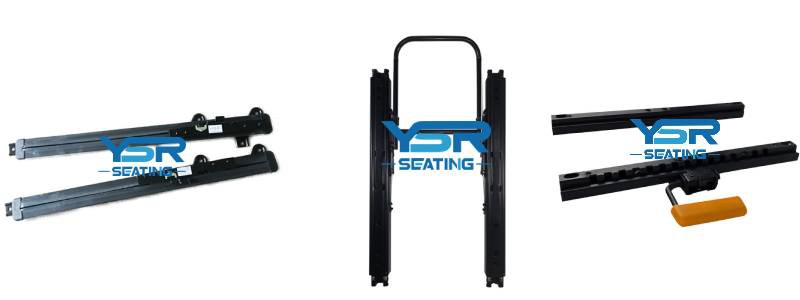
The ability to adjust the seat's fore and aft position is another essential feature of marine seats. This adjustment allows captains to position themselves at an optimal distance from the controls and pedals, ensuring comfortable leg room and easy reach to all necessary equipment.
By sliding the seat forward or backward, captains can find the sweet spot where their legs are fully supported, and their knees are bent at a comfortable angle, typically between 90 and 110 degrees. This positioning not only reduces strain on the lower back and legs but also allows for smooth and precise operation of the pedals and controls.
How to adjust the backrest angle to provide support and comfort?
The backrest of a marine captain seat is designed to provide crucial support for the lower and upper back regions. Most modern seats feature adjustable backrests that can be tilted forward or reclined to suit the captain's preferred posture and comfort level.
Adjusting the backrest angle can help alleviate pressure on the lower back, promote proper spinal alignment, and distribute weight evenly across the seat and backrest. A properly positioned backrest can also reduce muscle fatigue and tension in the shoulders and neck, allowing captains to remain alert and focused during extended periods at the helm.
Armrest adjustment
Armrests play a vital role in supporting the weight of the captain's arms, reducing strain on the shoulders and upper back. Many marine seats feature adjustable armrests that can be raised, lowered, or angled to accommodate different body types and preferences.
By adjusting the armrest height and angle, captains can find a position that allows their arms to rest comfortably while operating the controls or navigating the vessel. Proper arm support can prevent muscle fatigue, improve blood circulation, and reduce the risk of repetitive strain injuries.

Lumbar Support Adjustment
Lower back pain and fatigue are common problems faced by captains and crew members who spend extended periods seated. To address this issue, many marine seats incorporate adjustable lumbar support systems.
Lumbar support adjustments typically involve inflatable air bladders or mechanical mechanisms that can be adjusted to provide varying degrees of pressure and support to the lower back region. By customizing the lumbar support, captains can maintain proper spinal alignment, reduce strain on the lower back muscles, and alleviate discomfort caused by prolonged sitting.
Headrest adjustment
In addition to lumbar support, some captain seats also feature adjustable headrests designed to provide optimal support for the head and neck. These headrests can be raised, lowered, or angled to accommodate different body types and seating positions.
Proper head and neck support is crucial for minimizing strain and fatigue, especially during long voyages or periods of intense concentration. By adjusting the headrest height and angle, captains can maintain a neutral neck position, reducing the risk of neck pain, tension headaches, and potential long-term postural issues.
By understanding and utilizing the various adjustments available in marine captain seats, captains can create a customized seating experience that maximizes comfort, reduces fatigue, and promotes overall well-being during their time at the helm. These adjustments not only contribute to the captain's physical health but also enhance their ability to focus and make critical decisions, ultimately improving the safety and efficiency of maritime operations.
To learn more about YSR seats, please contact us at sales@ysrseats.com.
References:
1. "Ergonomic Design for Marine Pilot Seats" by Marine Technology Center, University of Applied Sciences (2021).
2. "Adjustable Marine Seating: A Guide to Optimal Comfort and Safety" by Society of Naval Architects and Marine Engineers (SNAME) (2020).
3. "The Importance of Proper Seating Posture for Maritime Professionals" by International Maritime Organization (IMO) (2022).
4. "Preventing Musculoskeletal Disorders in the Maritime Industry" by National Institute for Occupational Safety and Health (NIOSH) (2019).
5. "Designing Ergonomic Seating Solutions for Marine Environments" by Human Factors and Ergonomics Society (HFES) (2023).
6. "Customizable Marine captain seats: Tailored Comfort for Long Voyages" by Maritime Technology Magazine (2021).