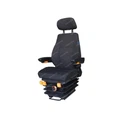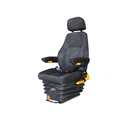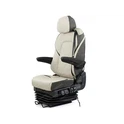


In underground transportation systems, where passenger comfort and satisfaction are paramount, the selection of Underground Seat fabric plays a crucial role. Beyond mere aesthetics, the fabric choice directly impacts the overall travel experience, influencing factors such as durability, ergonomics, and ease of maintenance. This is where the strategic collaboration between Original Equipment Manufacturers (OEMs), Original Design Manufacturers (ODMs), and customization experts comes into play, tailoring comfort through meticulous attention to detail, particularly when integrating advanced Mechanical Suspension Seat systems.

OEMs, as the primary manufacturers of subway cars, ensure seamless integration of seat fabrics with existing transit systems, guaranteeing compatibility and adherence to industry standards. On the other hand, ODMs offer unparalleled flexibility in seat fabric design, fostering innovation and uniqueness to meet the evolving needs of transit authorities and passengers alike. Customization techniques further elevate the passenger experience by allowing for personalized fabric choices, textures, and colors that enhance both comfort and visual appeal, especially when applied to specialized Mechanical Suspension Seat configurations.
Adjustable features such as stiffness, horizontal and height adjustments, front tilt and backrest adjustments, and slide rail integration are key elements that contribute to the overall ergonomics and adaptability of Underground Seat systems. These features not only cater to individual preferences but also optimize space utilization within the confined environments of subway cars, particularly when integrated with advanced Mechanical Suspension Seat technology.
Exploring Seat Fabric Customization Methods
◎OEM Approach
Utilizing OEM for Underground Seat fabric production ensures seamless compatibility with existing subway systems. OEMs possess extensive knowledge of industry regulations, safety standards, and the specific requirements of transit authorities. By collaborating closely with OEMs, transit authorities can benefit from their expertise in material selection, manufacturing processes, and quality control, ensuring the highest levels of durability and longevity for the seat fabrics, including those used in specialized Mechanical Suspension Seat applications.
◎ODM Strategy
The ODM strategy offers a unique advantage in terms of flexibility and innovation. ODMs specialize in designing and manufacturing seat fabrics tailored to the specific needs of their clients. This approach allows for the exploration of unique fabric blends, textures, and patterns that can elevate the overall aesthetics and comfort of Underground Seat systems. Additionally, ODMs can leverage cutting-edge technologies and materials to enhance the performance and durability of seat fabrics, providing a competitive edge in the market for both standard seating and specialized Mechanical Suspension Seat solutions.
When compared to the OEM approach, ODMs often offer greater opportunities for customization and differentiation. Transit authorities can collaborate closely with ODMs to develop seat fabrics that align with their branding, cultural identities, or specific passenger preferences, creating a distinct and memorable travel experience through customized Underground Seat designs.
Customization Techniques
Customization is a key aspect of tailoring comfort and meeting the diverse needs of transit authorities and passengers. By leveraging customization techniques, Underground Seat fabric manufacturers can address specific requirements, such as resistance to wear and tear, ease of maintenance, and adherence to safety regulations, particularly important for Mechanical Suspension Seat systems that incorporate moving components.
Examples of customizable features that enhance passenger comfort and seat durability include:
Fabric Material: Selecting the appropriate fabric material, such as synthetic blends or natural fibers, can significantly impact comfort, breathability, and resistance to stains and UV exposure in both standard and Mechanical Suspension Seat applications.
Texture: Varying the fabric texture, from smooth to textured surfaces, can provide a unique tactile experience and improve grip, reducing the risk of slipping in Underground Seat configurations.
Color: Customizing the color palette of seat fabrics allows transit authorities to align with their branding strategies or create a visually appealing and cohesive interior design for their Underground Seat systems.
Key Adjustable Features of Underground Seat Systems
◎Stiffness Adjustment
Adjustable stiffness in seat fabric is essential for enhancing passenger comfort and accommodating individual preferences. Technologies such as adjustable air bladders or mechanical mechanisms enable passengers to customize the firmness or softness of the seat, providing personalized support and alleviating discomfort during prolonged journeys. This feature is particularly valuable in Mechanical Suspension Seat systems where vibration damping is crucial.
◎Horizontal and Height Adjustments
Horizontal and height adjustment mechanisms contribute significantly to passenger comfort and space optimization within Underground Seat systems. By allowing individuals to adjust the seat's position horizontally or vertically, these features ensure proper leg and back support, reducing strain and fatigue. These adjustments are fundamental to effective Mechanical Suspension Seat performance in underground environments.
◎Front Tilt and Backrest Adjustments
Ergonomic support is a priority in Underground Seat design, and front tilt and backrest adjustments play a pivotal role in achieving this goal. These adjustments enable passengers to find the most comfortable seating position, promoting proper spinal alignment and reducing the risk of musculoskeletal discomfort, especially when integrated with Mechanical Suspension Seat technology.
◎Slide Rail Integration
Slide rail integration is a key feature that facilitates easy adjustment of seats. By incorporating slide rails into the seat design, passengers can effortlessly adjust the seat's position, maximizing legroom and ensuring a comfortable seating experience, even in confined spaces. This feature enhances the functionality of both standard Underground Seat systems and specialized Mechanical Suspension Seat configurations.
◎Technical Challenges and Solutions
Implementing adjustable features in Underground Seat fabrics presents various technical challenges. Heat buildup, wear and tear, and the confined spaces of subway cars can pose obstacles to the smooth functioning of adjustment mechanisms. To address these challenges, innovative solutions and materials are utilized, such as heat-resistant fabrics, reinforced stitching, and durable adjustment components designed to withstand the rigors of daily use in underground environments, particularly important for Mechanical Suspension Seat systems with complex mechanisms.
Case Studies
The successful implementation of OEM, ODM, and customization in Underground Seat fabrics can be exemplified through real-world case studies:
New York City Subway Seat Fabric Upgrade: In partnership with an ODM, the Metropolitan Transportation Authority (MTA) introduced a new seat fabric featuring a unique pattern inspired by the city's iconic subway tiles. The fabric's durability and stain resistance were tailored to meet the demands of high-traffic subway lines, while the customized design added a touch of local flair to the passenger experience in their Underground Seat systems.
Singapore Mass Rapid Transit (MRT) Seat Customization: To enhance passenger comfort and align with their commitment to sustainability, the Singapore MRT collaborated with an OEM to develop seat fabrics made from recycled materials. The customized fabrics incorporated antimicrobial properties and adjustable stiffness features, ensuring a hygienic and comfortable journey for commuters using both standard seating and advanced Mechanical Suspension Seat systems.
In the ever-evolving landscape of underground transportation, OEM, ODM, and customization strategies play a pivotal role in tailoring comfort through Underground Seat selection and design. By leveraging the strengths of each approach, transit authorities can create a unique and memorable passenger experience while prioritizing durability, ergonomics, and ease of maintenance. The integration of advanced Mechanical Suspension Seat technology further enhances this experience, providing superior comfort in challenging underground environments. YSR method adopts OEM/ODM/customization to deliver optimal Underground Seat solutions.
Please contact us at sales@ysrseats.com to learn more.
References:
1. Barker, R. M., & Pham, H. (2019). Trends in subway and metro seating design. Transportation Research Record, 2673(5), 564-572.
2. Chiu, C. H., & Lee, C. H. (2017). Ergonomic evaluation of subway seat design using virtual human modeling. Applied Ergonomics, 59, 509-517.
3. Elias, A. A., & Deacon, J. A. (2021). Sustainable materials for public transportation seating. Journal of Cleaner Production, 295, 126418.
4. Harmon, T. L., & Schauer, B. A. (2019). The evolution of metro and subway seating: A historical perspective. Urban Rail Transit, 5(3), 167-179.