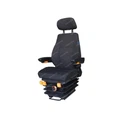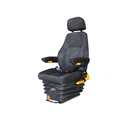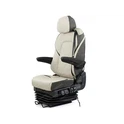


A Truck Driver Seat endures constant punishment from vibration, shocks, and daily wear. Like any vital piece of equipment, it requires regular care and maintenance to deliver years of safe, comfortable performance. This is especially true for advanced air suspension seat systems, which require additional attention to maintain their sophisticated damping capabilities.

Ⅰ.How to Clean Seats Regularly?
Daily cleaning keeps seats looking their best while removing abrasive dirt and debris that can degrade upholstery. Focus on these key areas:
①Seat Cushion and Backrest
- Vacuum cushion, side bolsters, and seat back to remove loose dirt and crumbs. Use a brush attachment to dislodge debris between cushions.
- Spot clean spills and stains with a damp microfiber cloth and mild detergent. Avoid harsh cleaners that can fade or damage the fabric.
- For leather, use cleaners formulated specifically for automotive leather. Test in an inconspicuous spot first.
- Flip down the armrests and clean them with a microfiber cloth. Check for gum, coins, and other objects that could get lodged in cracks.
②Adjustable Lumbar Support
- Clean the adjustable lumbar support mechanism with a dry cloth to remove dirt buildup.
- Ensure the lumbar lever moves freely and has a full range of motion. Lubricate joints if needed.
- Wipe down adjustable air lumbar bladders to prevent grime accumulation in valves.
③ Suspension and Undercarriage
- Remove debris trapped around seat suspension components and sliding rails with a brush and vacuum.
- Wipe suspension springs, shocks, and actuators clean with a dry cloth.
- For an air suspension seat, carefully clean around air bladders and check for any visible damage to the pneumatic system.
④Seat Belts
- Pull seat belts fully out and wipe down with a damp microfiber cloth. Allow to fully air dry.
- Check for any frays, tears, or damage. Confirm buckles latch securely.
With regular cleaning, your Truck Driver Seat stays hygienic and operational while looking like new for years. Consult your seat manual for any additional care recommendations, especially for specialized air suspension seat models.
Ⅱ.How to Regularly Check Seat Safety?
While any Truck Driver Seat is built for durability, it's smart to periodically inspect for damage which can compromise function and safety. Check these key areas:
①Frame and Base
- Feel around the frame for any cracks, bends or corrosion that could indicate metal fatigue.
- Confirm all brackets and joints are intact. Tighten or replace any loose hardware.
- Check floor mounts for looseness. Retighten all fasteners to torque specs.
②Seat Controls and Adjustors
- Test seat height lever, recline handle, and all moving parts for smooth operation throughout range of motion.
- Lubricate with penetrant if needed, but avoid over-lubricating to prevent dirt buildup.
- Confirm adjustors lock securely in all positions. Repair or replace loose handles and knobs.
- For an air suspension seat, test the height and damping adjustment controls to ensure proper function.
③Upholstery and Padding
- Press into cushion and side bolsters checking for compacted foam or protruding springs.
- Inspect for cuts, tears or cracks in upholstery, especially at seams and edges.
- Repair minor upholstery damage with a seat patch kit. Replace worn padding or covers as needed.
④Seat Belt System
- Check belts retract smoothly and lock securely. Replace any frayed belts.
- Confirm latches work properly without sticking. Replace defective buckles.
- Check anchor points for tightness. Do not use if mounts are loose.
Address any issues promptly for peace of mind knowing the seat provides reliable safety and injury prevention.
Ⅲ.How to Replace Seats Based on Usage?
No Truck Driver Seat lasts forever, so an important maintenance step is determining optimal replacement timing before excessive wear compromises function. Consider these factors:
Vehicle Age and Miles
- Most commercial seats have a usable lifespan around 5-8 years or 500,000+ miles.
- The older the rig and more miles on the clock, the more worn seats become.
Driver Feedback
- Listen to driver feedback on loss of comfort, inadequate support or difficulties adjusting. Don't ignore complaints of fatigue or soreness.
- Proactively replace seats once drivers note degradation versus waiting for failure.
- Consider upgrading to an air suspension seat for enhanced comfort and reduced vibration exposure.
Inspection Findings
- If frame has unrepairable cracks or metal fatigue, replacement is needed.
- Severely worn or flattened cushions, torn upholstery and degraded components also indicate replacement time.
Accident History
- Major collisions likely compromise seat structure and function. Inspect carefully and replace if damage is beyond repair.
Replacing seats before they fail protects drivers and makes sound financial sense. When replacing, consider upgrading to an advanced air suspension seat for superior comfort and health benefits. Contact manufacturers for optimal replacement cycles and proper disposal of used seats.
Conclusion:
Like any complex mechanism, Truck Driver Seats require care and maintenance to deliver years of dependable performance. By regularly cleaning, inspecting and replacing seats when appropriate, drivers can enjoy comfortably cruising the open road without worrying about support or safety. Well-maintained seats, particularly advanced air suspension seat systems, lead to healthier, happier drivers. So be sure to add seat care to the maintenance checklist.
If you want to learn more about this kind of truck seat, welcome to contact us at sales@ysrseats.com.
References:
• Hiemstra-van Mastrigt, S. "Seat comfort: A review." International Journal of Vehicle Noise and Vibration, vol. 11, no. 2, 2015, pp. 123–158.
• Van Der Westhuizen, D. and Van Niekerk, J. "Low back pain and work-related risk factors in professional truck drivers." South African Family Practice, vol. 60, no. 3, 2018, pp. 75–79.