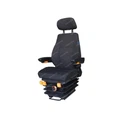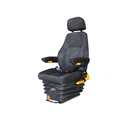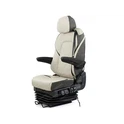


In the trucking industry, safety is a top priority. Comfort is a top priority for both drivers and fleet managers. An important overlooked aspect is the condition of the driver's seat. Semi truck driver seats are subjected to immense stress and wear due to the long hours. Exposed to the elements on the road and the constant vibrations and shocks. transportation. Regularly neglecting to replace these seats can lead to serious consequences. The consequences, including driver fatigue, back pain, and even accidents.

Truck drivers spend countless hours behind the wheel. The wheel travels through various terrains and weather conditions. The Prolonged sitting and exposure to road vibrations can cause This has a significant impact on their physical well-being, particularly their lower back. and spinal health. Over time, the cushioning and support in the driver's seat improves. Can deteriorate, leading to inadequate ergonomics and increased discomfort.
Driver fatigue is a critical issue. The trucking industry can impair judgment, reaction time, and overall performance. alertness on the road. A worn-out seat that lacks proper support. Comfort can increase fatigue, increasing the risk of accidents. This poses a risk to both the driver's safety and the safety of other motorists.
Back pain is Another common complaint among truck drivers, often due to poor seating. Poor posture and insufficient lumbar support. Prolonged back pain can lead to chronic musculoskeletal issues, absenteeism, and even disability.
By recognizing Semi truck driver seats wear and follow a regular replacement schedule for fleet managers. They should address these concerns proactively and prioritize their well-being.Replacing seats at regular intervals ensures that drivers have adequate space. Access to seats with adequate cushioning, support, and ergonomic design. Reducing the risk of fatigue, back pain, and other health issues,with prolonged sitting and exposure to vibrations.
Key Considerations When Choosing a Seat Upgrade
When it comes to selecting a new seat for a semi-truck, several factors must be taken into account to ensure optimal comfort, safety, and longevity:
a. Ergonomic Design: The seat should be designed with ergonomic principles in mind, providing proper lumbar support, adjustable backrests, and cushioning to reduce the strain on the driver's back, shoulders, and legs during long hauls. An ergonomically designed seat can help prevent musculoskeletal disorders, fatigue, and discomfort, which are common issues faced by truck drivers due to prolonged sitting and vibrations from the road. The seat should also have adequate padding and contouring to distribute weight evenly and alleviate pressure points.
b. Durability: Semi truck driver seats are subjected to constant use and exposure to various environmental conditions. Therefore, the seat material should be durable, resistant to wear and tear, and able to withstand extreme temperatures and UV radiation. High-quality materials such as durable fabrics, breathable leathers, or reinforced vinyl can ensure longevity and maintain the seat's integrity over time. Additionally, the seat should be designed to withstand the constant vibrations and shocks associated with long-haul trucking.
c. Adjustability: Different drivers have varying body types and preferences. A seat with multiple adjustment options, such as seat height, tilt, lumbar support, and even armrest adjustments, can accommodate a wide range of drivers, ensuring maximum comfort and reducing the risk of musculoskeletal disorders. Adjustable features allow drivers to customize the seat to their specific needs, promoting proper posture and reducing strain on the back, neck, and shoulders.
d. Safety Features: Incorporation of safety features like integrated seatbelts, headrests, and robust mounting systems can help protect the driver in the event of an accident or sudden braking. Seatbelts are crucial for restraining the driver and preventing injury during collisions or sudden stops. Headrests help support the head and neck, reducing the risk of whiplash injuries. Additionally, a sturdy mounting system ensures the seat remains securely in place, even during extreme maneuvers or impacts.
Considering these factors when selecting a new semi-truck driver seat can significantly improve driver comfort, reduce fatigue, and minimize the risk of musculoskeletal disorders and injuries. By prioritizing ergonomics, durability, adjustability, and safety features, fleet managers and drivers can create a more conducive environment for long-haul operations, ultimately improving overall safety and productivity on the road.
Recommendations
Based on extensive research and industry best practices, it is recommended that Semi truck driver seats be replaced every 18 to 24 months or after accumulating approximately 300,000 to 400,000 miles. However, this timeframe may vary depending on factors such as driving conditions, driver weight, and the quality of the seat itself.
Regular inspections and maintenance of the seat are crucial to identify signs of wear and tear, such as sagging cushions, cracked or torn upholstery, or malfunctioning adjustment mechanisms. Addressing these issues promptly can extend the lifespan of the seat and prevent further discomfort or potential safety hazards.
It is also advisable to consult with experienced professionals or reputable seat manufacturers for specific recommendations tailored to your fleet's needs and driving conditions.
Semi truck driver seats Manufacturers
Yisrui Auto Parts Co., Ltd. is a professional car seat and accessories manufacturing company that integrates product design, manufacturing, distribution, and service. Their factory has passed ISO9001 and ISO/TS16949 certification, ensuring high-quality standards. Some of their seats have E-MARK and Australian ADR certifications, demonstrating compliance with international safety regulations. Yisrui Auto Parts Co., Ltd. also accepts OEM and ODM orders, providing customized solutions to meet specific requirements.
To learn more about YSR Semi truck driver seats, please contact us at sales@ysrseats.com.
References:
1. Federal Motor Carrier Safety Administration (FMCSA). (2020). Driver Fatigue and Alertness Study.
2. Occupational Safety and Health Administration (OSHA). (2022). Ergonomics for Truck Drivers.
3. National Institute for Occupational Safety and Health (NIOSH). (2018). Ergonomic Interventions for Preventing Musculoskeletal Disorders in Trucking.
4. American Trucking Associations (ATA). (2021). Best Practices for Truck Cab Ergonomics.