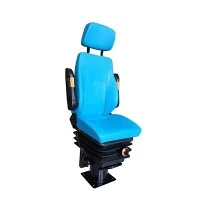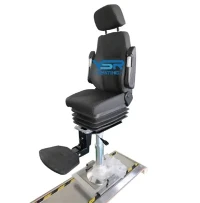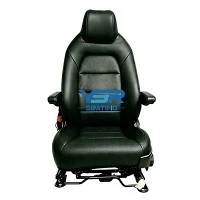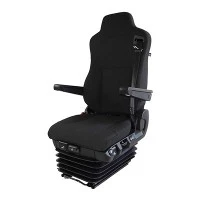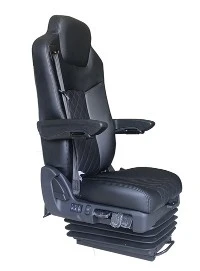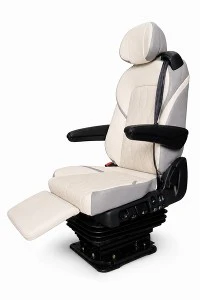


Fabrication of Framework
The production of a Safety Truck Seat begins with the fabrication of the seat's underlying framework. This framework serves as the foundation and structural support for the entire seat assembly, ensuring its durability and integrity.
The creation process normally includes the utilization of high-strength steel or aluminum compounds, which are chosen for their capacity to endure the requests of rock solid shipping applications. The steel or aluminum stock is first sliced to the ideal shapes and sizes utilizing accuracy cutting instruments, like CNC (PC Mathematical Control) machines or laser cutters.
When the singular parts have been cut, they are painstakingly gathered utilizing different joining strategies, like welding, riveting, or blasting. The choice of joining technique depends on the specific design requirements, material properties, and the desired level of strength and rigidity.
During the fabrication stage, special attention is paid to ensuring the precise alignment and fit of the framework components. This scrupulousness assists with making a strong and even seat structure that can successfully uphold the heaviness of the tenant and endure the burdens experienced during vehicle activity.
Welding Process and Painting Process
After the fabrication of the seat framework, the welding process is a crucial step in the production of Safety Truck Seats. Welding is used to join the various metal components together, creating a strong and cohesive structure.
The welding process is typically carried out using advanced techniques, such as:
- MIG (Metal Inert Gas) welding: This process uses a continuously fed wire electrode and an inert gas to create a high-quality, durable weld.
- TIG (Tungsten Inert Gas) welding: This process uses a non-consumable tungsten electrode and an inert gas to produce clean, precise welds with a consistent appearance.
The welding technicians carefully follow established protocols and industry standards to ensure the structural integrity and safety of the seat framework. They pay close attention to factors like weld penetration, bead appearance, and heat-affected zone to optimize the strength and reliability of the welds.
Once the welding process is complete, the seat framework undergoes a painting process to protect the metal surfaces and enhance the overall aesthetic of the truck seat.

The painting process typically involves several steps:
1. Surface preparation: The metal surfaces are thoroughly cleaned, degreased, and in some cases, lightly sanded to ensure proper paint adhesion.
2. Primer application: A specialty primer is applied to the prepared surface to improve paint bonding and provide additional corrosion resistance.
3. Top coat application: The final color coat, often a durable and scratch-resistant paint, is applied to the primed surface, giving the seat framework its desired color and finish.
The paint selection and application methods are carefully chosen to meet the specific requirements of the truck seat, taking into account factors such as environmental exposure, chemical resistance, and overall aesthetic appeal.
Sponge Foaming:
After the fabrication and painting of the seat framework, the sponge foaming process is undertaken to create the soft, cushioned seating surface that provides comfort and support to the occupant.
The sponge foaming process involves the following steps:
1. Cleaning Foam Mold:
The first step is to thoroughly clean the foam mold, removing any debris or contaminants that could affect the quality of the final foam product.
2. Spraying Release Agent:
A specialized release agent is sprayed onto the interior surfaces of the foam mold. This helps to ensure that the molded foam can be easily removed from the mold after the curing process.
3. Placing Skeleton and Accessories:
The seat frame and any additional components, such as seat suspension systems or lumbar support mechanisms, are carefully placed inside the foam mold. These elements will become embedded within the foam, providing structural support and functionality to the final seat.

4. Robot Casting:
The liquid foam mixture is then precisely dispensed into the mold using an automated robotic casting system. This ensures consistent and even distribution of the foam, resulting in a uniform and high-quality foam structure.
5. Mold Closing:
Once the liquid foam has been poured, the mold is closed, and the foaming process begins.
6. Curing and Heating:
The closed mold is then subjected to a curing and heating process, which allows the foam to expand and solidify into its final shape. The temperature and duration of this process are carefully controlled to achieve the desired foam density and properties.
7. Mold Opening and Taking Parts:
After the curing and heating process is complete, the mold is opened, and the molded foam seat component is removed. The seat is then inspected for quality and any necessary finishing touches are applied.
The sponge foaming process is a critical step in the production of safety seats, as it provides the essential cushioning and comfort that contribute to the overall safety and well-being of the vehicle's occupants.
Seat Assembly and Seat Detection
The final stage of the safety seat production process involves the assembly of the various components into a complete and functional seat unit, followed by rigorous testing and quality control measures.
Seat Assembly:
The seat assembly process begins by integrating the foam-molded seating surface with the previously fabricated and painted seat framework. This is typically done through a combination of mechanical fasteners, such as screws or bolts, and adhesives to ensure a secure and durable connection.
During the assembly process, the seat's internal mechanisms and features are also installed, including:
- Seat suspension systems: These mechanisms, such as coil springs or air bladders, help to absorb and dissipate the forces experienced by the occupant during vehicle operation, providing a more comfortable and stable ride.
- Adjustability features: Components like slide tracks, reclining mechanisms, and lumbar support adjustments are integrated into the seat design to allow the occupant to customize the fit and comfort level to their individual needs.
- Integrated safety systems: Safety features like three-point seatbelts, headrests, and side-impact protection are carefully assembled and integrated into the seat to enhance the overall occupant protection.

Seat Detection:
After the complete assembly of the Safety Truck Seat, a series of rigorous testing and quality control measures are performed to ensure the seat's compliance with industry standards and safety regulations.
These seat detection processes typically involve the following steps:
1. Visual inspection: The seat is thoroughly inspected for any visual defects, such as improper alignment, damage to components, or cosmetic flaws.
2. Dimensional verification: The seat's dimensions are measured and compared to the design specifications to ensure it meets the required tolerances and fits properly within the vehicle.
3. Functional testing: The seat's movable components, such as the adjustment mechanisms and suspension systems, are tested to verify their proper operation and smooth functionality.
4. Strength and durability testing: The seat is subjected to simulated load tests and fatigue cycles to evaluate its structural integrity and ability to withstand the stresses encountered during real-world use.
5. Safety system verification: The seat's safety features, including the seatbelt system and energy-absorbing components, are tested to ensure they meet or exceed the applicable safety standards.
Only after successfully passing these rigorous testing and quality control procedures can the Safety Truck Seat be deemed ready for final installation in the vehicle and delivery to the customer.
By meticulously following these production processes, from the fabrication of the seat framework to the final seat detection and quality assurance, manufacturers can ensure that the Safety Truck Seats they produce are not only comfortable and durable but also reliable and effective in protecting the occupants in the event of a collision or emergency situation.
To learn more about YSR seats, please contact us at sales@ysrseats.com.
References:
1. SAE International. (2020). Truck Seat Design and Performance Evaluation (SAE Standard J2949). SAE International.
2. Caliskan, F., Kursat Celik, H., & Kahraman, E. (2019). Design and finite element analysis of a heavy-duty truck driver seat. International Journal of Automotive Engineering and Technologies, 8(2), 72-82.
3. Oi, H., Nishiyama, T., Tamura, A., Takeda, Y., Fujii, T., & Murata, M. (2020). Biomechanical responses of the human body in frontal impacts: Comparison between sled tests and computer simulations. Journal of Biomechanics, 99, 109525.