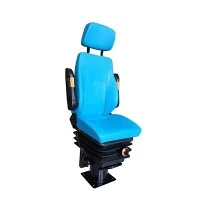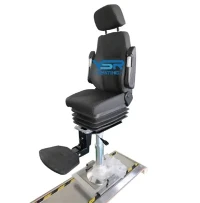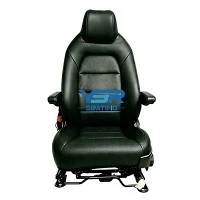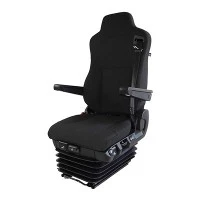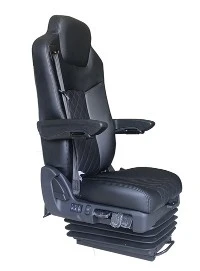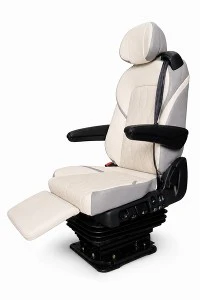


One design feature that has gained significant attention in this domain is the adoption of a Z-shaped base for rotating mechanical suspension seats. This innovative approach to seat design offers a multitude of benefits, from enhanced stability and vibration damping to improved versatility and adaptability.

Z-Shaped Base
The Z-formed base, as the name proposes, highlights a particular angular profile that looks like the letter "Z" when seen in profile. This unique design is a departure from the traditional rectangular or square bases commonly found in conventional seating systems.
The key advantage of the Z-shaped base lies in its ability to provide a stable and secure foundation for the rotating mechanical suspension seat. The precise design not just improves the in general primary respectability of the seat yet additionally empowers a more proficient exchange of powers and vibrations from the vehicle's body to the seat's suspension framework.
Improved Stability and Vibration Damping
One of the primary benefits of the Z-shaped base in rotating mechanical suspension seats is its ability to enhance stability and effectively dampen vibrations. This is especially urgent with regards to business vehicles, where the driver is frequently presented to an extensive variety of street conditions, territory varieties, and outside powers that can think twice about security and solace of the seating framework.
The angled design of the Z-shaped base provides a more secure and grounded connection between the seat and the vehicle's frame or platform. This increased stability helps to minimize the risk of the seat shifting or tilting during sudden movements or sharp turns, ensuring that the driver remains firmly in place and can maintain control of the vehicle.
Moreover, the Z-shaped base's angular configuration allows for a more efficient distribution of the forces and vibrations generated by the vehicle's suspension and the road surface. The unique geometry of the base helps to dissipate these forces more evenly, reducing the overall transmission of vibrations to the driver's seat.
This enhanced vibration damping not only improves the driver's comfort but also helps to minimize the risk of fatigue, muscle strain, and other physical discomforts associated with prolonged exposure to excessive vibrations. By effectively isolating the driver from these disturbances, the Z-shaped base contributes to a more relaxed and focused driving experience.

Why the Z-Shaped Base Matters?
Rotating mechanical suspension seats are a specialized type of seating system designed for commercial vehicles, such as trucks, construction equipment, and agricultural machinery. These seats are equipped with a sophisticated suspension system that allows the seat to rotate and pivot, providing the driver with a greater range of motion and improved visibility.
The rotating mechanism is a critical component of these seats, as it enables the driver to adjust their seating position and orientation to better suit the demands of the job or the driving conditions. This flexibility can be particularly beneficial in applications where the driver needs to frequently change their line of sight or interact with various controls and instruments within the vehicle's cabin.
The integration of a rotating mechanical suspension system, however, poses unique challenges in terms of the seat's overall stability and vibration dampening. This is where the Z-shaped base design comes into play, offering a tailored solution to address these specific requirements.
Advantages:
The Z-shaped base design for rotating mechanical suspension seats offers several distinct advantages that make it a compelling choice for commercial vehicle applications:
1. Improved Stability and Tilt Control:
The angular configuration of the Z-shaped base provides a more secure and stable foundation for the rotating seat. This enhanced stability helps to minimize the risk of the seat tilting or shifting during rotation, ensuring that the driver maintains a consistent and comfortable seating position, even during dynamic driving conditions.
2. Enhanced Vibration Damping:
The unique geometry of the Z-shaped base allows for a more efficient transfer and dissipation of vibrations from the vehicle's chassis to the seat's suspension system. This improved vibration dampening helps to reduce the transmission of these disturbances to the driver, leading to a more comfortable and less fatiguing driving experience.
3. Versatile Mounting Options:
The Z-shaped base design offers greater flexibility in terms of mounting and installation. The angled profile of the base can be easily integrated into a wide range of vehicle configurations, allowing for a more customized and adaptable seating solution that can be tailored to the specific requirements of the application.
4. Improved Ergonomics and Adjustability:
The Z-shaped base design can also contribute to enhanced ergonomics and adjustability for the driver. The angular profile of the base can be leveraged to provide a more natural and comfortable seating position, reducing the strain on the driver's body and promoting better posture and support.
Design Considerations for Z-Shaped Bases
The development of a Z-shaped base for rotating mechanical suspension seats involves a careful consideration of various engineering principles and design factors. Structural integrity, material selection, and manufacturing processes all play a crucial role in ensuring the optimal performance and durability of the seat.
1. Structural Analysis and Stress Distribution:
The angular design of the Z-shaped base requires a thorough structural analysis to ensure that the seat can withstand the expected loads and forces encountered during operation. Finite element analysis (FEA) is often employed to simulate the distribution of stresses and deformations within the base, allowing engineers to optimize the design for maximum strength and stability.
2. Material Selection:
The choice of materials used in the construction of the Z-shaped base is paramount to its overall performance and longevity. High-strength steel alloys, lightweight composites, or a combination of both are commonly used to strike a balance between durability, weight, and cost-effectiveness.
3. Manufacturing Processes:
The production of the Z-shaped base may involve various manufacturing techniques, such as stamping, welding, or even additive manufacturing (3D printing). The selected processes must ensure a consistent and accurate realization of the desired angular geometry, as well as the necessary precision and quality standards required for effective integration into the rotating mechanical suspension seat.
Installation and Integration
The integration of a Z-shaped base into a rotating mechanical suspension seat system requires careful consideration of the installation process and the overall compatibility with the vehicle's design.
1. Mounting Interfaces:
The Z-shaped base must be designed with appropriate mounting interfaces that allow for a secure and reliable connection to the vehicle's frame or platform. These interfaces may involve bolt patterns, mounting brackets, or specialized adapters to ensure a seamless and secure installation.
2. Suspension System Integration:
The rotating mechanical suspension system, which typically includes components such as dampers, springs, and pivot points, must be carefully integrated with the Z-shaped base to ensure optimal vibration dampening and suspension performance. The angular design of the base may require specialized mounting points or adjustments to the suspension system to maintain the desired functionality and responsiveness.
3. Ergonomic Adjustability:
To fully capitalize on the benefits of the Z-shaped base, the rotating mechanical suspension seat must be designed with a comprehensive range of ergonomic adjustability features. This may include seat height, tilt, and fore-aft positioning, as well as the integration of lumbar support and other comfort-enhancing elements to provide a customized and tailored seating experience for the driver.
To learn more about YSR seats, please contact us at sales@ysrseats.com.
References:
1. Gillespie, T.D. (1992). Fundamentals of Vehicle Dynamics. Warrendale, PA: Society of Automotive Engineers.
2. Milliken, W.F., & Milliken, D.L. (1995). Race Car Vehicle Dynamics. Warrendale, PA: Society of Automotive Engineers.
3. Reimpell, J., Stoll, H., & Betzler, J.W. (2001). The Automotive Chassis: Engineering Principles. Oxford, UK: Butterworth-Heinemann.