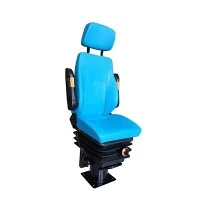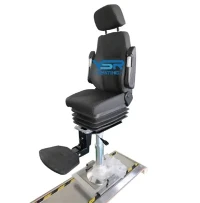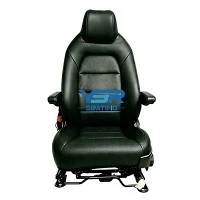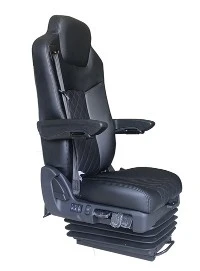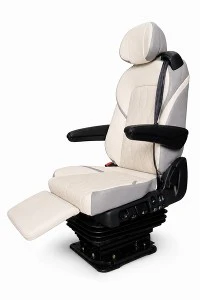


Integrated seats address a huge progression in the car business, conveying uplifted security, solace, and usefulness to vehicle tenants. These seats coordinate state of the art innovations, for example, electronic controls, warming and cooling frameworks, knead capabilities, and different sensors, offering a consistent and customized driving experience. Not at all like customary seats, coordinated seating are designed to cooperate with other vehicle frameworks, permitting them to adjust progressively to various circumstances and tenant inclinations.

They come in different emphasess, going from sumptuous seats bragging a plenty highlights to additional fundamental models tracked down in standard vehicles. Models incorporate seats outfitted with worked in environment control, movable lumbar help, and coordinated theater setups.
Importance of Regulations and Standards
Integrated seats, like any critical automotive component, are subject to stringent regulations and standards to uphold their safety and quality. Compliance with these regulations and standards is vital for several reasons:
Safety: Regulations and standards establish minimum safety requirements, shielding occupants from potential hazards such as fires, electrical malfunctions, or structural failures.
Quality Assurance: Adhering to established standards helps maintain consistent quality levels across different manufacturers and models, ensuring that seats meet specific performance and durability criteria.
Consumer Protection: Regulations and standards safeguard consumers by providing guidelines for product testing, labeling, and disclosure, enabling informed purchasing decisions.
Industry Standardization: Consistent regulations and standards foster compatibility and interoperability among different components and systems, facilitating innovation and collaboration within the automotive industry.
Building Codes and Regulations: Local, state, or national authorities enforce building codes and regulations governing aspects such as seating capacity, dimensions, accessibility, and safety features in public buildings, facilities, and venues.
Fire Safety Regulations: Fire safety regulations dictate the fire resistance, flame spread, smoke toxicity, and fire-retardant properties of materials.
Key Regulations and Standards
Several key regulations and standards govern the design, manufacturing, and testing of integrated seats:
Federal Motor Vehicle Safety Standard (FMVSS) 302: Flammability of Interior Materials: This standard specifies the flammability requirements for materials used in the occupant compartments of motor vehicles, including seat components. It outlines test methods and performance criteria to minimize the risk of fire-related injuries.
ISO 7176-19: Road Vehicles – Occupant Safety – Integrated Child Restraint Systems – Part 19: Seat Materials: This standard establishes requirements for the materials used in integrated child restraint systems, including specific tests for flammability, toxicity, and mechanical properties.
SAE J310: Motor Vehicle Seats – Seat Belt Anchorages: This standard defines the requirements for seat belt anchorage locations and load-bearing capabilities in motor vehicle seats. It ensures that seat belt systems are properly integrated into the seat design for optimal occupant restraint.
Other relevant regulations and standards include FMVSS 207 (Seating Systems), ECE R80 (Seats, Their Anchorages, and Head Restraints), and various ISO and SAE standards for specific seat components and testing methodologies.
Compliance and Testing
To demonstrate compliance with applicable regulations and standards, integrated seat manufacturers must subject their products to rigorous testing and certification processes. This typically involves collaboration with independent testing laboratories accredited by relevant regulatory bodies.
These testing laboratories conduct a range of tests on integrated seating components, including flammability tests, strength and durability tests, and performance evaluations under simulated crash conditions. Additionally, they may assess the functionality and safety of integrated electronic systems and controls.
Impact on Seat Design and Manufacturing
Regulations and standards have a profound impact on the design and manufacturing processes. Manufacturers must carefully consider these requirements from the earliest stages of product development to ensure compliance and avoid costly redesigns or modifications later in the process.
One of the key challenges for manufacturers is balancing the need for compliance with the desire for innovation and differentiation. While regulations and standards establish minimum requirements, manufacturers often strive to exceed these benchmarks to gain a competitive advantage and offer unique features and capabilities to their customers.
To meet regulatory requirements, manufacturers may need to invest in specialized testing equipment, implement rigorous quality control measures, and closely collaborate with suppliers to ensure the use of compliant materials and components. Additionally, they may need to train their design and engineering teams on the latest regulations and standards to stay up-to-date with evolving requirements.
As the automotive industry continues to evolve, regulations and standards related to integrated seats are expected to undergo changes and updates to keep pace with emerging technologies and materials.
If you want to learn more about YSR seats, welcome to contact us at sales@ysrseats.com.
References
1. National Highway Traffic Safety Administration (NHTSA). (2021). Federal Motor Vehicle Safety Standards and Regulations.
2. International Organization for Standardization (ISO). (2022). Road Vehicles – Occupant Safety Standards.
3. Society of Automotive Engineers (SAE). (2023). Motor Vehicle Seat Standards and Recommended Practices.
4. Automotive Seat Manufacturers Association (ASMA). (2021). Best Practices for Integrated Seat Design and Compliance.