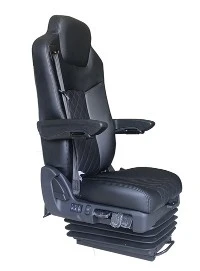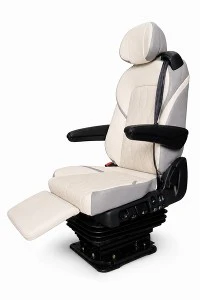


In this article, I delve into the question of whether the locomotive seat is solely designated for use on trains or if its functionality extends beyond the railway domain. By exploring the history, design, and practical applications of it, we can gain a comprehensive understanding of its purpose and potential uses beyond the train cabin.

Exploring the Origins of the Locomotive Seat
To comprehend the part of the train situate, it's vital to follow its beginnings back to the early days of railroad transportation. The locomotive seat, initially designed for engineers and conductors, served as a pivotal element in the operation of steam-powered locomotives. Positioned strategically within the locomotive cabin, this seat provided the operator with a vantage point for overseeing the controls and navigating the train along the tracks. The plan prioritized consolation and solidness, guaranteeing that the administrator seem keep up center amid long ventures. In the annals of transportation history, it stands as a pivotal innovation that transformed not only the way we travel but also our understanding of comfort and efficiency in long-distance journeys. This exploration delves into the origins of this now ubiquitous feature, uncovering the ingenuity and necessity that birthed its design.
The story of it begins in the early 19th century, amidst the dawn of the railway age. With the innovation of the steam-powered train by George Stephenson in 1814, the world seen the appearance of the unused period in transportation. However, the earliest trains were rudimentary affairs, with passengers often perched on hard wooden benches or even standing, enduring bumpy rides that could last hours. Comfort was a luxury yet to be considered in these iron horses.
It wasn't until the mid-19th century that significant improvements in seating design emerged. The introduction of sprung suspension systems, inspired by carriage designs, marked the first step towards passenger comfort. This innovation absorbed the jolts and vibrations of the tracks, making journeys less exhausting. Concurrently, the development of upholstered seats, using materials like horsehair and later, fabric, added a layer of luxury previously unseen in train travel.
One of the pivotal figures in refining it was George Mortimer Pullman, an American engineer who revolutionized rail travel with his Pullman sleeping cars in the 1860s. Pullman's cars featured plush reclining seats that converted into beds, complete with privacy curtains and attentive service, setting a new standard for comfort and elegance. His innovations not only improved the physical seat design but also redefined expectations for long-distance travel accommodations.
As technology advanced, so too did seating arrangements. The 20th century saw the integration of ergonomic principles, influenced by industrial design and the study of human anatomy. Designers began considering factors such as lumbar support, adjustable headrests, and optimized spacing between seats to accommodate varying passenger sizes and needs.
Evolution of Locomotive Seat Design
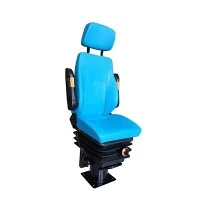
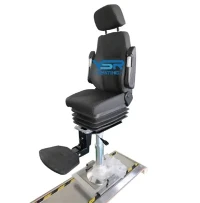
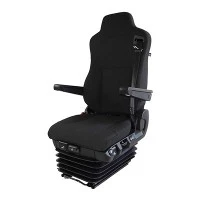
Over time, advancements in technology and engineering have led to significant evolutions in locomotive seat design. Modern locomotives boast ergonomic seats equipped with various features aimed at enhancing comfort and functionality. These seats are ergonomically designed to reduce fatigue and strain during extended periods of operation, reflecting a commitment to both safety and efficiency. Additionally, innovations such as adjustable lumbar support and integrated controls contribute to the overall usability of it, catering to the needs of contemporary railway professionals.
Beyond the Rails: Alternative Applications of the Locomotive Seat
While the locomotive seat is primarily associated with train cabins, its versatility extends beyond the confines of railway transportation. In industrial settings, locomotive-style seating is often employed in heavy machinery and equipment, where operators require similar levels of control and visibility. The durable development and ergonomic highlights of the train situate make it well-suited for situations such as development locales, distribution centers, and fabricating offices. By adapting this seating concept to various applications, industries can optimize operator comfort and productivity.
The Role of the Locomotive Seat in Automotive Design
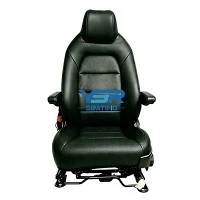
Another region where the impact of the train situate can be watched is in car plan. Car manufacturers often draw inspiration from railway seating when developing driver and passenger seats for vehicles. The principles of ergonomics and functionality that underpin the design of it are similarly applied to automotive seating, prioritizing comfort and safety for occupants. As a result, features such as adjustable headrests, lumbar support, and integrated controls are commonplace in modern automobiles, mirroring the innovations found in it design.
The role of the it in automotive design extends beyond mere functionality; it serves as a testament to the evolution of passenger comfort, safety, and aesthetic integration within vehicles. As transportation technology progressed from steam engines to modern automobiles, design principles originating from it significantly influenced automotive interiors, shaping the way we experience travel today.
Initially, automotive seats borrowed heavily from their railway counterparts, adopting basic bench-style seating with minimal padding and adjustment options. However, as cars transitioned from being a luxury item to a mode of mass transportation, designers recognized the need for enhanced comfort and customization. This led to the adoption of individual bucket seats, inspired by Pullman's innovations, which provided better lateral support and personal space for passengers.
Safety, too, became a paramount concern in automotive seat design. The inclusion of seat belts, a concept that originated in aviation but found its way into automobiles, underscores how the focus shifted from merely accommodating passengers to ensuring their wellbeing during transit. Furthermore, advances in seat construction incorporated energy-absorbing materials and structures that could mitigate crash impacts, turning seats into life-saving devices.
Conclusion
In conclusion, while the locomotive seat is undeniably synonymous with train cabins, its significance transcends the realm of railway transportation. From its humble origins in steam-powered locomotives to its modern iterations equipped with advanced ergonomic features, the it exemplifies the intersection of form and function. Whether utilized in mechanical apparatus, car plan, or other specialized applications, the train situate remains a confirmation to human resourcefulness and advancement.
If you are choosing your car seat manufacturers, welcome to contact us at sales@ysrseats.com.