

Ensuring proper installation of Auto Seats is fundamental to vehicle safety and comfort. This comprehensive guide examines three critical aspects of automotive seating: selecting appropriate child restraints based on age and weight, proper use and adjustment of vehicle seat belts, and avoiding common installation errors while exploring advanced seating technologies like Air Suspension Seats.

Choosing Age and Weight Appropriate Auto Seats
Selecting the correct Auto Seats for children requires careful consideration of developmental stages and safety requirements. The following guidelines help ensure optimal protection:
- Infant Car Seats
Specifically designed for newborns and infants up to 35 pounds, these Auto Seats must always be installed rear-facing in the vehicle's back seat to provide maximum protection for developing spines and necks.
- Convertible Seating Systems
These versatile Auto Seats accommodate both rear-facing and forward-facing configurations, making them suitable for children ranging from infants to toddlers weighing 40-65 pounds. Their adaptable design provides long-term value and consistent protection.
- Booster Seat Solutions
Booster seats serve children who have outgrown forward-facing Auto Seats but aren't ready for standard seating. By elevating seating position, they ensure proper seat belt alignment across the chest and lap. Children typically require booster seats until reaching 4'9" height, generally between ages 8-12.
Advanced Seating Technologies: Air Suspension Seats and Air Ride Seats
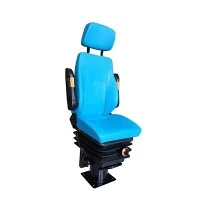
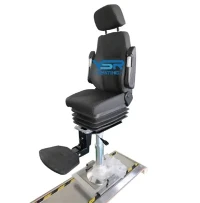
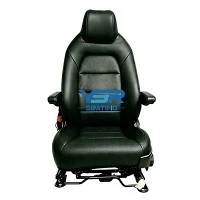
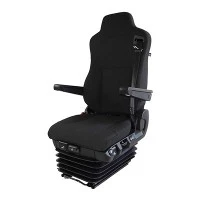
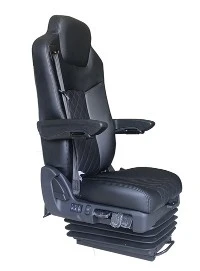
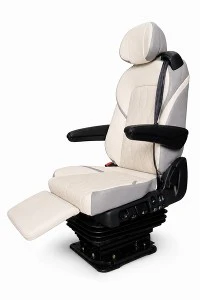
Beyond child safety seats, modern vehicles increasingly incorporate advanced Air Suspension Seats and air ride seats for enhanced adult comfort. These innovative systems utilize air chamber technology to provide superior vibration dampening and customizable support, significantly reducing driver fatigue during extended journeys while maintaining crucial safety standards.
Proper Seat Belt Usage and Adjustment Techniques
Correct seat belt application is essential for all Auto Seats, from child restraints to advanced Air Suspension Seats. Follow these crucial guidelines:
- Secure Engagement
Before vehicle operation, ensure all occupants have properly fastened seat belts. The lap belt should rest low across hips while the shoulder belt crosses diagonally over the chest and shoulder. Belts should fit snugly without slack or twisting.
- Precision Adjustment
Modern vehicles feature adjustable seat belts that accommodate different body sizes. Proper adjustment ensures optimal protection-neither excessively loose nor uncomfortably tight. This principle applies equally to standard Auto Seats and premium air ride seats.
- Seat Belt Extender Usage
When standard seat belts prove insufficient, certified extenders provide safe solutions. However, compatibility varies between vehicles and Auto Seats. Always consult vehicle manufacturers or qualified technicians before using extenders.
- Maintaining Belt Integrity
Twisted or tangled seat belts compromise safety effectiveness. Regularly inspect belts for proper alignment and immediately address any twisting noticed during driving.
- Rear Seat Safety Priority
The back seat provides superior protection for all passengers, particularly children under 12 who face increased risk from front airbag deployment. Pregnant women should also prioritize rear seating positions.
- Timely Belt Replacement
Damaged seat belts require immediate replacement. Regularly inspect for fraying, cuts, or other damage. Most manufacturers recommend replacement every 10-15 years or following collisions.
Avoiding Common Installation Errors
Proper installation of Auto Seats-from child restraints to sophisticated Air Suspension Seats-requires attention to detail. Avoid these frequent mistakes:
- Insufficient Security
Loose installation remains the most common error with Auto Seats. Always consult manufacturer guidelines and use appropriate installation methods, whether LATCH systems or seat belts.
- Incorrect Positioning
Rear-facing Auto Seats require specific angles (typically 30-45 degrees) to prevent dangerous head movement during collisions. Use built-in level indicators or angle adjusters when necessary.
- Expired Equipment Usage
All Auto Seats have expiration dates due to material degradation. Never use seats beyond their designated lifespan, typically 6-10 years from manufacture date.
Conclusion: Prioritizing Safety in All Auto Seats
Correct installation and proper use of Auto Seats-from basic child restraints to advanced Air Suspension Seats and air ride seats-are fundamental to vehicle safety. By selecting appropriate seating for each passenger's needs, properly utilizing seat belt systems, and avoiding common installation errors, you ensure optimal protection for all vehicle occupants.
For information about our premium Air Suspension Seats and advanced air ride seats technology, contact our specialists: sales@ysrseats.com
Safety References
• National Highway Traffic Safety Administration. (2023). Child Passenger Safety Guidelines
• American Academy of Pediatrics. (2023). Vehicle Safety Recommendations
• Automotive Safety Institute. (2023). Advanced Seating Systems Research